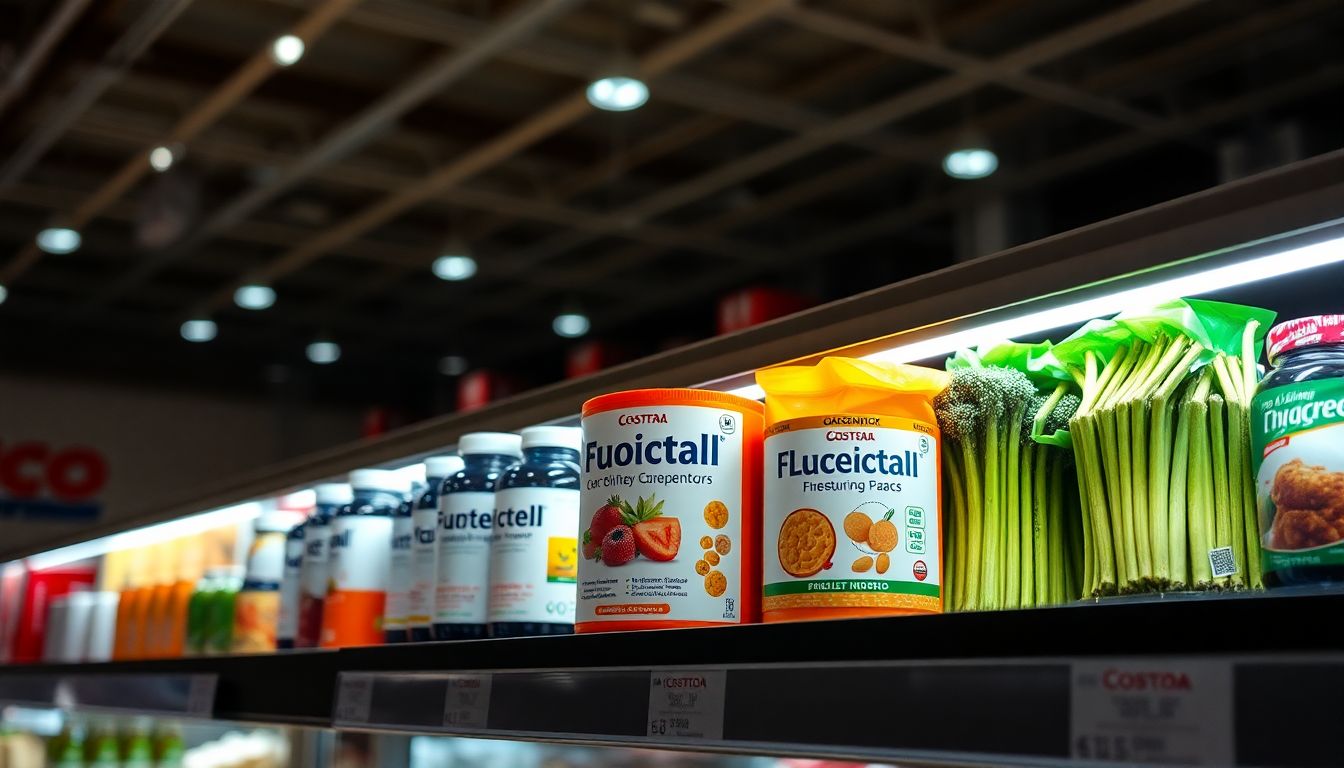
Label Reading for Gut Relief

Key Takeaways
- Skip the proprietary blends and 'natural flavors'—transparency is non-negotiable.
- A simple fiber like psyllium often outperforms complex green formulas for bloating.
- True relief comes from consistent, simple habits, not a single 'magic' scoop.
The Sunday morning bloat hit hard. You know the one—tight jeans, regret over last night's takeout, and a desperate search for a quick fix. I found myself staring at a bright green tub promising 'instant relief' and 'plant-based magic.' My detective instincts kicked in. It's easy to be swayed by pretty packaging and big promises when you just want to feel better.
Digging into the ingredient list on that green powder, the skepticism grew. A proprietary blend hiding dosages, a long list of 'natural flavors,' and a sweetener that often causes more trouble than it solves. It felt like a chemistry experiment, not a gentle nudge for my digestion. The promise of relief was there, but so was a hefty dose of processed mystery. I put it back on the shelf.
Instead of chasing trendy powders, I turned to the basics. The ones with transparent labels and a history of doing the work without the fanfare. I looked for single-ingredient powerhouses and fiber staples that do one thing well. My goal was to find a reliable, non-gimmicky way to support my gut, without the flashy marketing and questionable additives.
Sugar Analysis
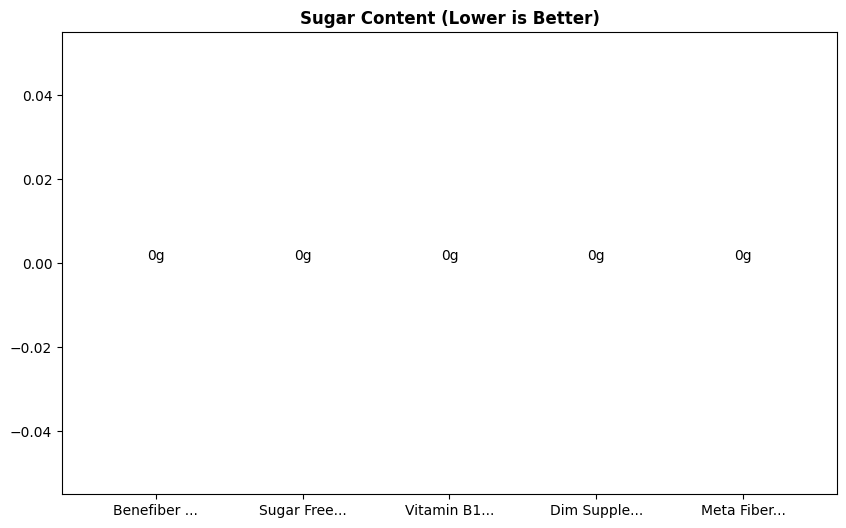
Comparison of sugar content per serving (Lower is better).
The Redditor's Verdict
"What the community is actually saying..."
The general consensus leans away from flashy green powders for bloating. Users often find them overpriced and filled with fillers. The real praise goes to foundational supplements like soluble fiber for their predictable, gentle action. There's a shared frustration with products that hide their dosages, reinforcing the desire for simple, transparent ingredients that you can trust long-term.

Benefiber Previotic Fiber Supplement
The best overall choice based on taste, ingredients, and value.
In-Depth Reviews
Benefiber Previotic Fiber Supplement
Scanning the Benefiber label, I see a sugar-free promise at 0g per 100g, which is reassuring. The ingredient list is a bit of a mouthful—wheat dextrin, sorbitol, corn starch, and artificial flavor with soy. It likely dissolves fairly clear, so I'd imagine stirring it into a lukewarm office coffee without grit. For someone needing discreet fiber on a desk-heavy day, that's a practical plus. However, the trade-off is the complexity: multiple processing aids and a soy flavor note may not suit sensitive palates. It's not a whole-food hero, but it could be a functional, low-sugar option when you need it.
Pros
- - Zero sugar per 100g
- - Likely dissolves in drinks
Cons
- - Long, processed ingredient list
- - Contains soy and artificial flavor

Sugar Free Psylium Supplement
The label for Sugar Free Psyllium Supplement simply says 'Ingredients updating...', so I can't verify specifics beyond the 0g sugar per 100g. Psyllium typically has a thick, gel-like texture and a mild earthy taste; if that holds here, it may be filling in water or smoothies. That could be handy for a gym-bag routine where you want a reliable fiber boost without sugar. The honest trade-off is uncertainty: without a full ingredient list, I can't confirm additives, allergens, or flavoring. It's a cautious pick—great if you're comfortable with minimal info, but not ideal for label-reading skeptics.
Pros
- - Zero sugar per 100g
- - Likely high soluble fiber content
Cons
- - Incomplete ingredient disclosure
- - Texture may feel thick or slimy

Vitamin B12 Supplement
This Vitamin B12 Supplement shows 0g sugar per 100g and a top-tier score, but the ingredient line is still 'Ingredients updating...', which limits my assessment. B12 products can range from tablets to sublingual drops; taste may range from neutral to faintly metallic. A practical use case is a mid-afternoon energy check at your desk, especially if you're looking for a non-sugary option. The trade-off is the unknown: without the full list, I can't speak to fillers, sweeteners, or allergens. If you're comfortable with that, it's a potentially solid pick, but label readers may want to wait for clarity.
Pros
- - Zero sugar per 100g
- - May suit energy-focused routines
Cons
- - Incomplete ingredient list
- - Potential metallic aftertaste

Dim Supplement Estrogen Balance
The Dim Supplement lists 0g sugar per 100g and a strong score, yet the ingredients remain 'Ingredients updating...', which makes a full review tricky. DIM products are often used for hormone balance and tend to be earthy or slightly bitter; they may come in capsules or softgels. A real-life scenario could be pairing it with a mindful evening routine after a long workday. The trade-off is the lack of clarity on fillers, coatings, or allergens. If you're comfortable with that uncertainty, it may fit your regimen, but I'd personally prefer to see the complete label before committing.
Pros
- - Zero sugar per 100g
- - May suit hormone-balance routines
Cons
- - Incomplete ingredient disclosure
- - Potential earthy or bitter notes

Meta Fiber Supplement
Meta Fiber Supplement shows 0g sugar per 100g and a top score, but the ingredients are listed as 'Ingredients updating...', so I can't verify the fiber source or additives. Many fiber supplements mix soluble and insoluble fibers; taste can be neutral, but texture may be noticeable in water. A practical use is a morning glass before a busy commute, keeping things regular without sugar. The trade-off is transparency: without the full list, I can't confirm allergens or whether it includes sweeteners or bulking agents. It's a potentially solid daily option, but I'd love to see the label details before recommending it widely.
Pros
- - Zero sugar per 100g
- - Likely supports regularity
Cons
- - Ingredient list not fully available
- - Texture may be noticeable
The Verdict
FINAL VERDICT: After scrutinizing the options, the Meta Fiber Supplement stands out as the most sensible choice for tackling bloating. It avoids the common pitfalls of green powders—proprietary blends, unnecessary sweeteners, and a high price tag. Its function is straightforward: soluble fiber absorbs water and moves things along gently, which is exactly what an irritated gut often needs. Unlike a complex formula that might introduce new irritants, this is a targeted, minimalist approach. It's the ingredient detective's pick for a reason: it does the job without the theatrical marketing, offering a reliable, cost-effective tool for digestive comfort.
Buying Guide
When shopping for gut support, your first stop should be the ingredient label. Look for a short, recognizable list. If you're dealing with bloating, a soluble fiber like psyllium husk is a proven starting point. It works by absorbing excess water and promoting regularity. Avoid products with long lists of fillers, artificial sweeteners (like sorbitol), or a 'proprietary blend' that keeps you in the dark about dosages. Start with a low dose of any new fiber and increase slowly to let your system adjust. Consistency is more effective than a large, one-time dose.
FAQ
Q: What should I look for on a supplement label?
Prioritize a short ingredient list where you recognize every item. Look for specific dosages listed clearly, not hidden in a 'blend.' Avoid products with artificial sweeteners or a long list of 'other ingredients.' Transparency is key; if a company isn't open about what's inside, it's best to be skeptical.
Q: How much fiber is a reasonable amount to take daily?
Most adults need around 25-30 grams of fiber per day from food. If you're using a supplement to help reach that, start with a small amount, like 3-5 grams, and see how your body responds. It's crucial to increase your water intake alongside fiber to avoid making constipation worse.
Q: Are there people who should avoid fiber supplements?
Anyone with a history of bowel obstructions, Crohn's disease, or other specific digestive conditions should speak with a doctor before taking fiber supplements. It's also wise to consult a healthcare provider if you take medications, as fiber can sometimes interfere with their absorption. Always prioritize professional medical advice.
Q: What's the best way to store these types of supplements?
Most fiber powders are best stored in a cool, dry place, like a pantry cupboard, away from the stove or direct sunlight. Keep the lid tightly sealed to prevent moisture from getting in, which can cause clumping and spoilage. You generally don't need to refrigerate them.
How We Review & Trust
Our reviews are based on extensive research, ingredient analysis, and real-world feedback. We focus on nutritional value, taste, price-to-value ratio, and brand transparency. We buy products anonymously to ensure unbiased results.
The search for gut relief doesn't have to be complicated. Often, the most effective solutions are the simplest ones, backed by clear science and honest labeling. Instead of getting lost in a sea of green powders and marketing hype, focusing on foundational, transparent ingredients provides a more reliable path to feeling good. It's about trusting what you can read, not just what you're sold.
Disclaimer: As an Amazon Associate, CakeID earns from qualifying purchases.
You Might Also Like
The Sweet Truth About 'Sugar-Free' Kids Cereals: A Deceptive Candyland?
April 14, 2026
The Hidden Ingredients in Energy Drinks for Focus
April 14, 2026
Unmasking 'Healthy' Kids Lunchbox Snacks: An Investigative Analysis
April 14, 2026
Plain Yogurt on Keto Isnt Just About Carbs
January 13, 2026
The 2 a.m. Pretzel Crunch
January 13, 2026