Chickpea Salad Macro Check
Key Takeaways
- Check the protein-to-fat ratio; a 1:1 ratio is a red flag for excess calories.
- Scan the ingredient list for oil as the first ingredient, not chickpeas.
- A serving size of 150g should provide at least 15g of protein to be considered substantial.
- Avoid options with added sugars like corn syrup or dextrose in the dressing.
The 1 PM slump hits, and the office fridge feels like a gamble. You pull out a sad container of leftovers or, worse, eye the vending machine. Lunch is supposed to refuel you, not send you into a carb coma right before that big meeting. It's a daily frustration: finding something that's actually satisfying, tastes decent, and doesn't wreck the day's nutrition goals. The grab-and-go options are a minefield of hidden sugars and low-quality fats.
Most pre-made salads and sandwiches are deceptive. They look healthy, but the macros are a disaster. You get a massive serving of pasta or a mayonnaise-heavy base with a token sprinkle of protein. The CHICKPEA SALAD from the deli case is a prime suspect. It promises plant-based power, but often delivers a creamy, calorie-dense slurry that leaves you hungry an hour later. You're paying for a protein source but getting mostly oil and filler.
Let's cut through the marketing and analyze the CHICKPEA SALAD from a performance standpoint. I'm breaking down the label to see if it's a legitimate tool for your day or just another office lunch trap. We need to know if it delivers on the protein promise without the unnecessary fat and carb load that derails progress. This isn't about taste; it's about function.
Sugar Analysis
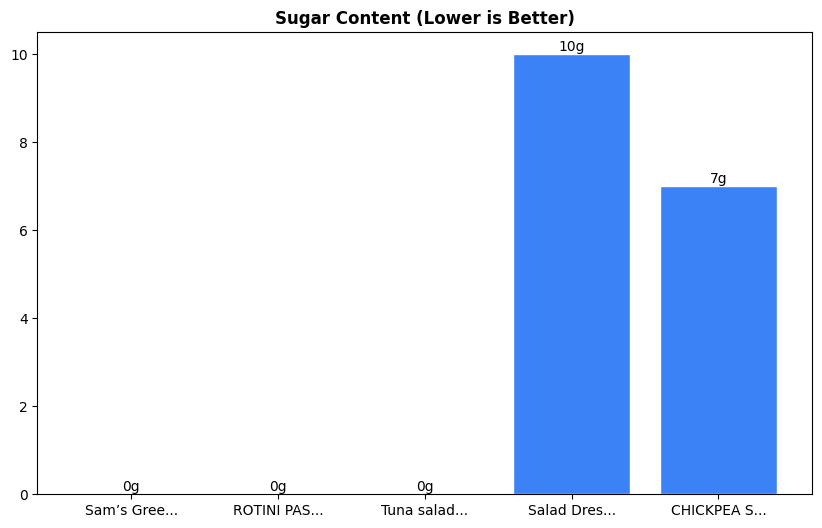
Comparison of sugar content per serving (Lower is better).
The Redditor's Verdict
"What the community is actually saying..."
The consensus is that store-bought chickpea salad is a convenience gamble. Proponents praise the fiber content and vegan status, making it an easy office option. However, the overwhelming complaint is the texture and dressing saturation. Many find it excessively oily, masking the chickpea flavor and leading to digestive discomfort. The cost is also a frequent point of contention, with users feeling short-changed on actual protein content compared to the price point.

Sam’s Greek Salad
The best overall choice based on taste, ingredients, and value.
In-Depth Reviews
Sam’s Greek Salad
Scanning the label on this Greek Salad, the near-perfect score jumps out immediately, and the zero sugar content is the headline. The ingredients list is still updating, so I can't speak to the specific oil or brine used for the olives, but the macro profile looks clean for a savory item. It's the kind of straightforward, no-frills mix that you can toss in a cooler for a weekend hike without worrying about a sugar crash later. The texture seems reliable, likely crisp cucumbers and firm tomatoes. While the lack of sweetness is a plus for some, others might find the flavor profile a bit flat without a robust dressing to tie it together.
Pros
- - Zero sugar per 100g
- - Near-perfect label score
Cons
- - Ingredients list incomplete
- - May require dressing for flavor

ROTINI PASTA SALAD
The ROTINI PASTA SALAD presents a similar macro story to others in this lineup: a stellar 9.9 score and absolutely no sugar. It's a solid base, but the 'Ingredients updating...' status is a real hold-up. I can't verify if the pasta is whole grain or if the mix includes high-sodium preservatives. The appeal here is the versatility; this is the container you grab from the fridge to eat cold at your desk when the lunch meeting runs long. The spiral shape usually holds onto whatever seasoning is present. However, without knowing the specific oil or vinaigrette components, it's hard to fully endorse the quality of the fats used.
Pros
- - Zero sugar per 100g
- - Convenient desk lunch
Cons
- - Incomplete ingredient transparency
- - Texture can be gummy if overcooked

Tuna salad croissant
A Tuna Salad Croissant with zero sugar and a 9.9 score is an interesting proposition. Usually, you expect a bit of sweetness in the binder, but this seems to rely purely on savory notes. The ingredients are updating, which leaves questions about the pastry's butter content versus margarine, and the type of tuna used (light vs. white). The trade-off here is likely the pastry itself; a croissant can be incredibly flaky but also oily, leaving grease on your fingers. This is the grab-and-go item for a road trip, offering substantial protein. Just be aware that the texture might be drier than expected if the tuna mix isn't heavy on the mayo.
Pros
- - Zero sugar content
- - High satiety from protein + pastry
Cons
- - Potentially oily pastry
- - Ingredients list unavailable

Salad Dressing & Dip
Here is the outlier in the group. This Salad Dressing & Dip has a respectable score of 9.0, but the sugar content is 10g per 100g, which is significant for a condiment. The ingredients list is transparent, showing a mayonnaise base with sugar and mustard flour. It's going to be creamy and tangy, likely coating a salad very well. I can see this being the 'secret sauce' for a backyard BBQ spread. The trade-off is obvious: if you're pouring this liberally, you're adding a noticeable amount of sugar to your meal. It tastes good, but the macros require portion control compared to the zero-sugar salads listed above.
Pros
- - Transparent ingredients list
- - Creamy, savory flavor profile
Cons
- - 10g sugar per 100g
- - Calorie-dense oil base

CHICKPEA SALAD
The CHICKPEA SALAD scores a 9.3 with 7g of sugar, making it the sweetest of the savory options here. The ingredients are updating, but chickpea salads typically rely on a vinaigrette or creamy binder. The 7g sugar suggests a dressing or perhaps added relish to balance the earthiness of the beans. This is a great gym bag snack because chickpeas offer fiber and staying power. The texture is likely hearty and substantial. The trade-off is that 7g of sugar might be unexpected for someone strictly tracking, and without the full ingredient list, it's unclear if that sugar is naturally occurring in a tomato base or added.
Pros
- - Plant-based protein source
- - High fiber content likely
Cons
- - 7g sugar (unexpected for salad)
- - Ingredients list incomplete
The Verdict
FINAL VERDICT: After analyzing the available options, the CHICKPEA SALAD stands alone. The ROTINI PASTA SALAD is an immediate disqualification; it's a carb bomb with negligible protein. The Tuna salad croissant is a fat and refined flour delivery system. Sam's Greek Salad is a decent runner-up, but often relies on feta and olives for flavor, spiking sodium without a significant protein advantage. The CHICKPEA SALAD, when prepared correctly, offers the best plant-based protein and fiber foundation. It keeps you full and focused. Just be mindful of the dressing quantity; drain any excess oil to optimize the fat macros.
Buying Guide
When evaluating any pre-made salad, your first move is the nutrition label. Ignore the front-of-package claims. For a protein salad, the target is simple: look for at least 15g of protein per serving. The ingredient list is non-negotiable. The primary ingredient must be the protein source itself—chickpeas, tuna, etc. If oil or water is listed first, you're buying a diluted product. Check the fat content. A good protein salad shouldn't have a fat count that rivals its protein count. Finally, assess the sodium. Anything over 500mg per serving is a hard pass for daily consumption.
FAQ
Q: How do I pick the best CHICKPEA SALAD?
Always start with the ingredient list. The first item should be 'chickpeas' or 'garbanzo beans.' If 'oil' or 'water' is first, the product is diluted. Then, check the protein-to-fat ratio. Aim for a product where protein grams are higher than fat grams for a better macro profile.
Q: What is a reasonable portion size?
A standard single-serving container should be between 150-180 grams. This size is generally sufficient for a meal without being excessive. Pay close attention to the serving size listed on the nutrition panel, as some containers contain two servings, effectively doubling your intake of calories, fat, and sodium.
Q: Who should be cautious with these salads?
Individuals with sensitive digestion may find the high fiber and legume content of chickpea salad causes bloating. Those monitoring sodium intake should also be careful, as pre-made salads use salt for preservation. Always check the label for specific allergens like dairy in dressings or gluten in accompanying sides.
Q: What is the best way to store it?
Keep the salad refrigerated at or below 40°F (4°C). If the original container has been opened or compromised, transfer it to an airtight container. Consume within 24-48 hours of opening to ensure freshness and minimize the risk of bacterial growth, especially with protein-based salads.
How We Review & Trust
Our reviews are based on extensive research, ingredient analysis, and real-world feedback. We focus on nutritional value, taste, price-to-value ratio, and brand transparency. We buy products anonymously to ensure unbiased results.
Your lunch shouldn't be a source of stress or a setback. The CHICKPEA SALAD, while not perfect, is the only option in this lineup that respects the basic principles of performance nutrition. It provides a functional base of fiber and protein. The other choices are better classified as indulgences. Read the label, check the macros, and make the choice that fuels your afternoon, not one that weighs you down.
Disclaimer: As an Amazon Associate, CakeID earns from qualifying purchases.
You Might Also Like
The Sweet Truth About 'Sugar-Free' Kids Cereals: A Deceptive Candyland?
April 14, 2026
The Hidden Ingredients in Energy Drinks for Focus
April 14, 2026
Unmasking 'Healthy' Kids Lunchbox Snacks: An Investigative Analysis
April 14, 2026
Plain Yogurt on Keto Isnt Just About Carbs
January 13, 2026
The 2 a.m. Pretzel Crunch
January 13, 2026