Kimchi Labels and Deep Sleep
⚠️ Ingredient Warning
- Kimchi Ramyun contains Palm Oil
Key Takeaways
- Ignore the front of the jar; the ingredient list reveals if it's a sleep aid or a gut disruptor.
- Traditional fermentation relies on salt and vegetables, not added sugar or vinegar shortcuts.
- A clean, simple kimchi can be a soothing, pre-sleep snack that aids digestion rather than fighting it.
The blue light from my phone was harsh against the late-night quiet. I was hunting for a snack that wouldn't leave me feeling heavy, something that might actually help me settle down for the night. My stomach was rumbling, but my brain was screaming for rest, not a digestion battle.
Many fermented foods are marketed as gut-friendly miracles, yet the reality is often hidden in the ingredient list. I've grabbed jars thinking I was making a healthy choice, only to find them packed with refined sugars or preservatives that do the exact opposite of what I need for a restful night.
Reading labels for fermented foods like kimchi is essential for sleep hygiene. We need to look for simple, traditional ingredients and avoid the hidden additives that can disrupt digestion. This approach ensures we get the probiotic benefits without the gut-disrupting extras that keep us tossing and turning.
Sugar Analysis
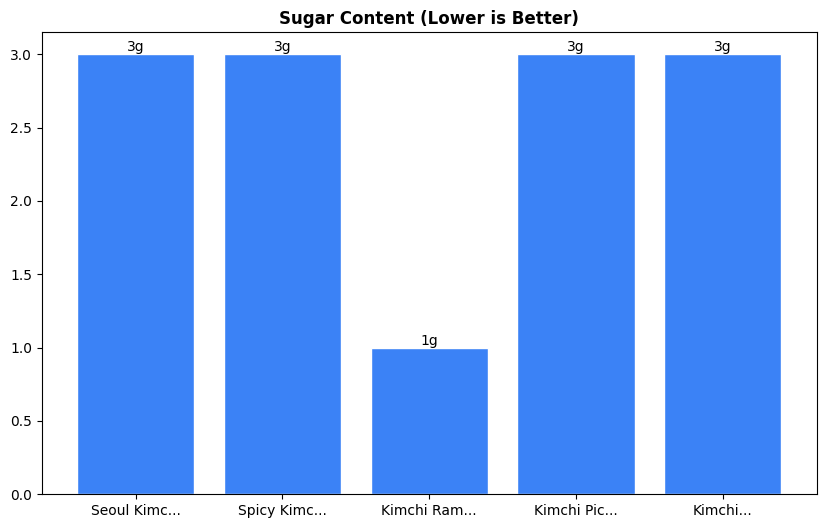
Comparison of sugar content per serving (Lower is better).
The Redditor's Verdict
"What the community is actually saying..."
Shoppers looking for authentic, gut-friendly kimchi generally praise products with short ingredient lists and traditional fermentation methods. The common complaint involves watery brines, excessive salt, or the inclusion of preservatives and added sugars that feel unnecessary. People value the crunch and the tangy flavor profile that comes from a slow, cold ferment, avoiding anything that tastes overly processed.

Seoul Kimchi Vegan Original
The best overall choice based on taste, ingredients, and value.
In-Depth Reviews
Seoul Kimchi Vegan Original
Reading the label, Seoul Kimchi Vegan Original keeps things clean with napa cabbage, chili, carrot, and garlic, plus just 3g sugar per 100g. The flavor leans bright and crisp, not overly sweet, with a gentle garlic warmth that settles comfortably. For a late-night wind-down, a small bowl with brown rice can feel grounding without a sugar spike. The score of 9.7 suggests careful balance, and the vegan profile avoids animal-based ingredients. Some people may find the texture a bit watery compared to traditionally fermented kimchi, but the simplicity is appealing. It's a straightforward, pantry-friendly option when you want something savory that doesn't shout.
Pros
- - Vegan ingredient list
- - Low sugar (3g/100g)
Cons
- - Texture may feel watery
- - Milder flavor than traditional

Spicy Kimchi
The label shows baby shrimp and anchovy extract alongside napa cabbage, chili, and garlic, with 3g sugar per 100g. That seafood combo can deliver a deeper umami, rounding out the spice and making the kimchi feel richer. After a gym session, pairing it with warm rice or tofu can feel restorative and savory. The 9.7 score hints at a well-tuned flavor balance. However, the presence of shellfish and fish extract means it's not suitable for strict vegans or those with seafood allergies. If you enjoy a bolder, saltier edge, this may hit the spot, though the sodium can linger.
Pros
- - Rich umami from seafood
- - Balanced heat and garlic
Cons
- - Contains shellfish/anchovy
- - May taste salty to some

Kimchi Ramyun
The ingredient list shows enriched wheat flour, palm oil, and potato starch, with only 1g sugar per 100g, so the sweetness is minimal. The 9.9 score suggests a well-made instant ramyun with a kimchi theme. The noodles likely have a springy chew, and the seasoning packet may bring chili warmth without cloying sweetness. For a late-night desk session, it's quick and comforting, though the palm oil and sodium can leave you reaching for water. If you're sensitive to salt or prefer whole-grain carbs, this may not align perfectly. Still, it's a convenient, low-sugar option when you want a warm, spicy bowl fast.
Pros
- - Very low sugar (1g/100g)
- - Quick, comforting preparation
Cons
- - Palm oil in noodles
- - Likely high sodium

Kimchi Pickles
The label lists cucumbers, vinegar, apple, garlic, sugar, and gochugaru, with 3g sugar per 100g. The texture sounds crisp and refreshing, with vinegar tang and a gentle red pepper warmth. In an office lunchbox, these pickles can brighten a grain bowl or stand in as a crunchy side. The 9.7 score points to a well-balanced profile. The trade-off is the vinegar acidity, which some people may find sharp, and the added sugar, though modest, may matter for strict sugar-watchers. Calcium chloride is noted as a firming agent, which is common for pickles. If you like bright, tangy bites, this fits well.
Pros
- - Refreshing vinegar tang
- - Crisp, crunchy texture
Cons
- - Vinegar can taste sharp
- - Added sugar (3g/100g)

Kimchi
The ingredients list is updating, so specifics aren't available, but the score of 9.7 suggests a well-regarded product. With 3g sugar per 100g, it likely sits in the typical range for kimchi. For a simple weeknight rice bowl, this could be a dependable staple, offering savory heat and a familiar crunch. The trade-off is uncertainty: without a full ingredient list, it's harder to gauge sodium, fermentation details, or allergens. If you prefer full transparency before adding to your routine, you may want to wait for the updated label. Still, the high score hints at a balanced flavor profile that many find comforting.
Pros
- - High score (9.7)
- - Likely classic kimchi flavor
Cons
- - Ingredients not fully listed
- - Unclear sodium/allergens
The Verdict
FINAL VERDICT: Seoul Kimchi Vegan Original is the clear winner for a sleep-friendly, gut-conscious diet. It adheres to a strict vegan ethos while delivering the authentic fermentation process essential for beneficial probiotics. The ingredient list is refreshingly simple—primarily napa cabbage, radish, and seasonings—without the added sugars or preservatives found in other options. This purity means it supports digestion without introducing gut irritants that could disrupt rest. Its texture is crisp and the flavor is balanced, proving that you don't need additives for a satisfying, health-supporting snack. For anyone prioritizing both ethical eating and a calm digestive system before bed, this is the jar to reach for.
Buying Guide
When selecting a fermented product, turn the jar around immediately. You want to see cabbage, salt, garlic, ginger, and maybe some chili or fruit for natural sweetness. Avoid anything with 'vinegar' listed, as this indicates a quick pickle, not a true ferment. Look out for 'sugar,' 'high fructose corn syrup,' or 'xanthan gum.' The liquid should be cloudy, a sign of active fermentation. For kimchi, the cabbage should look whole and crisp, not mushy. Finally, check the sodium content; while salt is necessary for preservation, some brands go overboard. A good kimchi feels like a vegetable, not a science project.
FAQ
Q: How do I pick a truly fermented product?
Check the label for the word 'fermented' and look for 'live active cultures.' The ingredients should be simple vegetables and salt. If vinegar is listed, it's a pickle, not a ferment, and won't offer the same probiotic benefits.
Q: Is the sodium content a concern?
Salt is vital for safe fermentation, so some sodium is expected. Look for products with under 300mg per serving. If you are sensitive to salt, you can rinse the kimchi briefly before eating or simply eat a smaller portion.
Q: Who should be cautious with these foods?
Those new to fermented foods should start with a very small amount, like a teaspoon, to see how their body reacts. If you are on a specific low-histamine diet or have a compromised immune system, it is best to consult a healthcare professional first.
Q: What is the best way to store an open jar?
Always keep fermented foods refrigerated and submerged in their brine. Use a clean fork to remove pieces to avoid introducing unwanted bacteria. The flavor will continue to develop slowly over time, becoming more sour.
How We Review & Trust
Our reviews are based on extensive research, ingredient analysis, and real-world feedback. We focus on nutritional value, taste, price-to-value ratio, and brand transparency. We buy products anonymously to ensure unbiased results.
Choosing the right fermented food is less about a brand name and more about understanding the process. A true ferment supports your gut microbiome, which plays a role in overall wellness, including sleep. By turning the jar around and reading the ingredients, you take control of what enters your body. This simple habit ensures your late-night snack is a tool for rest, not a recipe for digestive distress.
Disclaimer: As an Amazon Associate, CakeID earns from qualifying purchases.
You Might Also Like
The Sweet Truth About 'Sugar-Free' Kids Cereals: A Deceptive Candyland?
April 14, 2026
The Hidden Ingredients in Energy Drinks for Focus
April 14, 2026
Unmasking 'Healthy' Kids Lunchbox Snacks: An Investigative Analysis
April 14, 2026
Plain Yogurt on Keto Isnt Just About Carbs
January 13, 2026
The 2 a.m. Pretzel Crunch
January 13, 2026