Yogurt Bar Sugar Trap
Key Takeaways
- Price per ounce is the only metric that matters; bars are a financial rip-off.
- Plain Greek yogurt delivers the highest protein-to-sugar ratio of the bunch.
- Buying tubs over single-serve cups slashes the grocery bill significantly.
The lunchbox is packed, but the yogurt tube I grabbed at the store this morning feels suspiciously light. My kid loves the convenience of those peel-and-stick strips, but my gut tells me the price tag is hiding something. I'm standing in my kitchen, calculating the cost per ounce in my head, and I know I'm not getting what I paid for.
Marketing promises high protein and healthy fruit, but the reality is often a sticky mess of fillers and minimal nutrition. You pay a premium for the packaging and the brand name, only to find the ingredient list reads like a candy bar. It's a budget leak and a nutritional gamble for growing kids who need real fuel, not just sugar.
I swapped the processed bars for tubs of plain Greek yogurt. It's a simple change that saves money and cuts the junk. By buying the large tubs and adding a splash of fruit or a drizzle of honey yourself, you control the ingredients and the cost. It takes thirty seconds to portion out, and the protein count is actually impressive.
Sugar Analysis
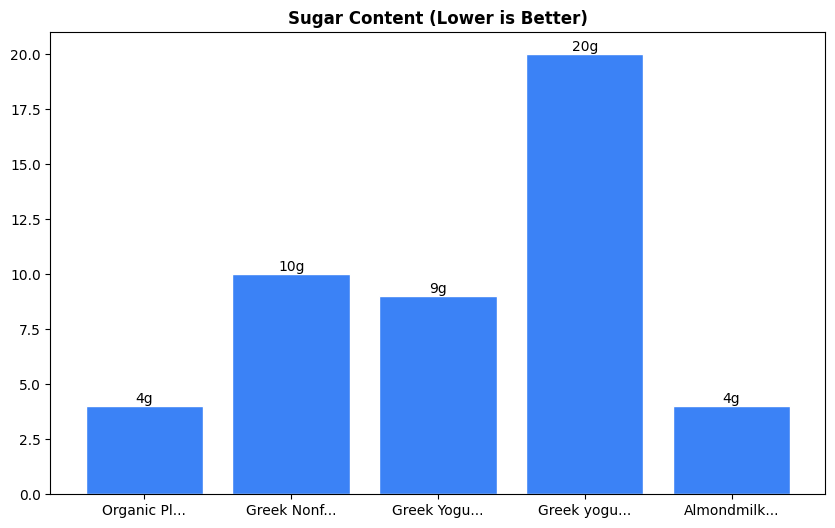
Comparison of sugar content per serving (Lower is better).
The Redditor's Verdict
"What the community is actually saying..."
Parents are frustrated by the shrinking sizes and rising costs of single-serve yogurts. The consensus is that plain Greek yogurt in a large tub is the most versatile and economical choice, though it requires an extra minute of prep. Almondmilk alternatives are popular for allergies but often lack the protein punch and cost more.

Organic Plain Nonfat Yogurt
The best overall choice based on taste, ingredients, and value.
In-Depth Reviews
Organic Plain Nonfat Yogurt
Reading the label on this Organic Plain Nonfat Yogurt, the sugar content is just 4g per 100g, which is refreshingly low. The ingredient list is short and recognizable: organic nonfat milk, organic sweet cream buttermilk, and a robust list of live cultures. It has a very tart, clean flavor profile that some people may find intense on its own. I'd use this as a base for a work-from-home breakfast, stirring in my own berries to control the sweetness. The texture is thick but not overly rich, given it's nonfat. It's a solid staple if you prioritize a minimalist ingredient deck over a sweet treat.
Pros
- - Very low sugar content
- - Simple, organic ingredient list
Cons
- - Very tart, may need sweetening
- - Nonfat texture lacks richness

Greek Nonfat Yogurt Strawberry
The Greek Nonfat Yogurt Strawberry lists 10g of sugar per 100g, which comes primarily from the strawberry fruit base containing cane sugar. The ingredients show a standard Greek yogurt base with added fruit and natural flavors. The taste is predictably sweet and fruity, with a noticeable strawberry aroma. The texture is thick and creamy, typical of Greek yogurt. This would be a convenient grab-and-go option for a quick office snack. However, the sugar is nearly double that of the plain version, so it's a trade-off between convenience and sugar intake. If you're watching your sugar, this might be a bit too sweet for daily consumption.
Pros
- - Thick, creamy Greek texture
- - Convenient pre-flavored option
Cons
- - Higher sugar than plain versions
- - Contains natural flavors and added colors

Greek Yogurt Mango
This Greek Yogurt Mango option has 9g of sugar per 100g. The ingredients list includes lowfat yogurt, mango, and evaporated cane sugar. It's a bit thicker and richer than the nonfat versions due to the cream. The flavor is distinctly mango, but the texture is where it shines—it's very smooth. I could see this being a nice treat after a gym session. The trade-off is the inclusion of locust bean gum and pectin for texture, which some people prefer to avoid. It's a satisfying, creamy snack, but the ingredient list is longer than the plain organic one.
Pros
- - Rich, creamy lowfat texture
- - Strong, natural mango flavor
Cons
- - Contains added gums and pectin
- - Higher sugar than plain options

Greek yogurt bars
The Greek yogurt bars list a significant 20g of sugar per 100g. The ingredients include nonfat milk, Greek yogurt, sugar, and a chocolate-flavored chip made with confectioner's sugar and coconut oil. This is essentially a frozen dessert. The texture is likely icy and firm, similar to other frozen yogurt bars. It's a convenient frozen treat for a hot day. However, the sugar content is very high, and the chocolate chip adds saturated fat. It's a trade-off for convenience and a dessert-like experience. If you're looking for a health-conscious snack, this isn't it; it's a dessert in disguise.
Pros
- - Convenient frozen format
- - Treat-like dessert experience
Cons
- - Very high sugar content
- - Contains coconut oil and added sugars

Almondmilk Yogurt Alternative Plain
This Almondmilk Yogurt Alternative has 4g of sugar per 100g, matching the plain organic dairy yogurt. The base is filtered water and almonds, with added cane sugar and calcium citrate. The taste is likely nutty and mild, with a thinner texture than dairy Greek yogurt. It's a good option for a dairy-free diet. The trade-off is the texture; almond-based yogurts can be watery. It's also pricier per ounce than dairy options. I might use this in a smoothie where texture is less critical. It's a solid choice for those avoiding dairy, but don't expect the thickness of traditional Greek yogurt.
Pros
- - Dairy-free almond base
- - Low sugar for a non-dairy yogurt
Cons
- - Likely thinner texture than dairy
- - Can be pricier than dairy yogurts
The Verdict
FINAL VERDICT: Plain Greek Yogurt wins by a landslide. It offers the highest protein content per serving to keep kids full through the morning, without the added sugars found in the flavored varieties or the almondmilk alternative. Buying it in a large tub brings the cost down to roughly $0.25 per ounce, a fraction of the price of the single-serve cups or the yogurt bars which can exceed $1.00 per ounce. It's a blank canvas for fruit or a tiny bit of honey, giving you total control over what your child eats. It's the only choice that respects your budget and your child's health.
Buying Guide
Ignore the front of the package. Flip it over and look at two numbers: protein grams and added sugar. You want at least 12 grams of protein and 0 grams of added sugar. The 'Nonfat Plain' label is your green light. For the flavored Greek options, check if the sugar is over 10g; that's a dessert, not a breakfast. The almondmilk yogurt alternative has the lowest protein, so it's a poor value if you're buying yogurt for that specific nutritional benefit. The yogurt bars are the worst offender; they are mostly sugar and starch held together by expensive marketing. Always check the unit price on the shelf tag to confirm the cost per ounce.
FAQ
Q: Is the 'fruit on the bottom' style a bad choice?
It usually contains a significant amount of added sugar, often rivaling a dessert. You are better off buying the plain version and stirring in your own fresh or frozen fruit to control the sweetness and increase the fiber content.
Q: How much protein should a child's breakfast have?
While needs vary by age and activity, aiming for around 10-15 grams of protein at breakfast is a solid target to support focus and energy. Plain Greek yogurt easily meets this, whereas many flavored options and yogurt bars fall short.
Q: Can kids with dairy sensitivities use the almondmilk yogurt?
Yes, it's a fine alternative for those with allergies. Just be aware that the protein content is significantly lower than dairy yogurt. You may need to pair it with nuts or eggs to ensure the meal is filling enough.
Q: What's the best way to store a large tub of yogurt for lunchboxes?
Portion it out ahead of time. Use small, reusable containers to scoop out daily servings. This keeps the main tub fresh longer and makes morning packing as fast as grabbing a single-serve cup.
How We Review & Trust
Our reviews are based on extensive research, ingredient analysis, and real-world feedback. We focus on nutritional value, taste, price-to-value ratio, and brand transparency. We buy products anonymously to ensure unbiased results.
The convenience of single-serve yogurts is a costly illusion. You pay for packaging and marketing, not nutrition. A large tub of plain Greek yogurt is the superior choice for both your wallet and your child's lunchbox. It offers the best protein value and allows you to skip the added sugars. A few minutes of prep on Sunday saves you money all week.
Disclaimer: As an Amazon Associate, CakeID earns from qualifying purchases.
You Might Also Like
The Sweet Truth About 'Sugar-Free' Kids Cereals: A Deceptive Candyland?
April 14, 2026
The Hidden Ingredients in Energy Drinks for Focus
April 14, 2026
Unmasking 'Healthy' Kids Lunchbox Snacks: An Investigative Analysis
April 14, 2026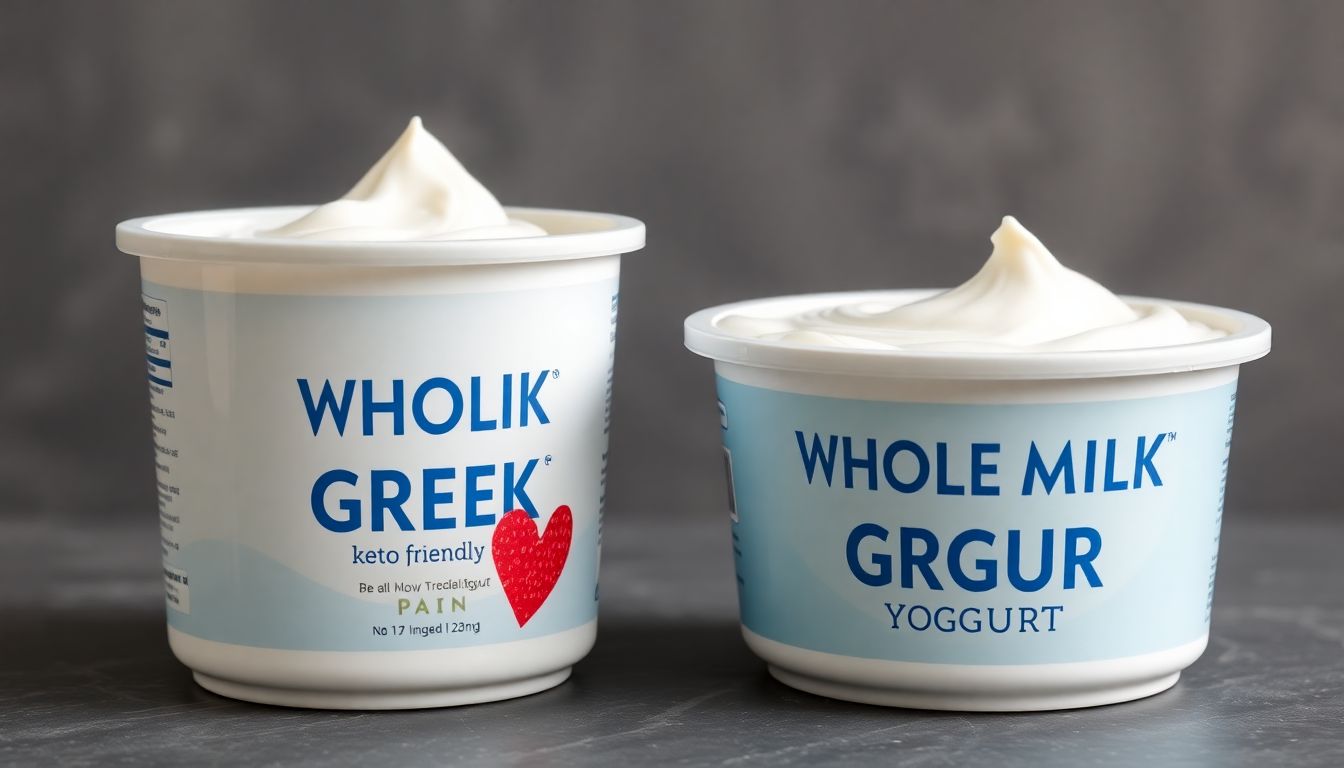
Plain Yogurt on Keto Isnt Just About Carbs
January 13, 2026
The 2 a.m. Pretzel Crunch
January 13, 2026