Are Gluten Free Crackers Actually Vegan Friendly or Just Snack Hype
Key Takeaways
- Gluten free does not automatically mean vegan—watch for milk derivatives, honey, and ambiguous flavorings.
- Many gluten free crackers are low in protein and fiber and can be high in refined starches, oils, and sodium.
- The best vegan-friendly options use whole-food flours (seed, legume, whole grain), minimal additives, and clear vegan labeling.
Ever grabbed “gluten free” crackers thinking you just made a virtuous, plant-based choice… then flipped the box and saw a suspicious “may contain milk” warning? Yep. For vegans, crackers are supposed to be the safe, boring snack—until they aren’t. Between sneaky dairy powders, honey glazes, and mystery “natural flavors,” gluten free doesn’t automatically mean vegan. And even when they are vegan, some taste like crunchy cardboard with a side of regret. Let’s sort out what’s actually going on.
Gluten free crackers blew up because they promise an easy swap for wheat-based snacks—especially for people with celiac disease, gluten sensitivity, or anyone chasing “clean eating” vibes. Brands also market them as lighter, gut-friendlier, and allergen-aware, which overlaps heavily with vegan shoppers. Add in the convenience factor (desk snack, travel snack, charcuterie-board filler), and it’s easy to see the appeal. The problem is the label focuses on gluten, not animal ingredients—or overall nutrition quality.
Today we’re testing the real question: are gluten free crackers actually good for vegans nutritionally, ethically, and practically—or are they just processed carbs wearing a health halo? We’ll look at common non-vegan ingredients, cross-contamination warnings, and the usual nutrition profile (protein, fiber, sodium, and oils). We’ll also compare them to more “real food” vegan snacks and give you a buying guide that doesn’t require a PhD in ingredient-spotting. Crunchy truth incoming.
Sugar Analysis
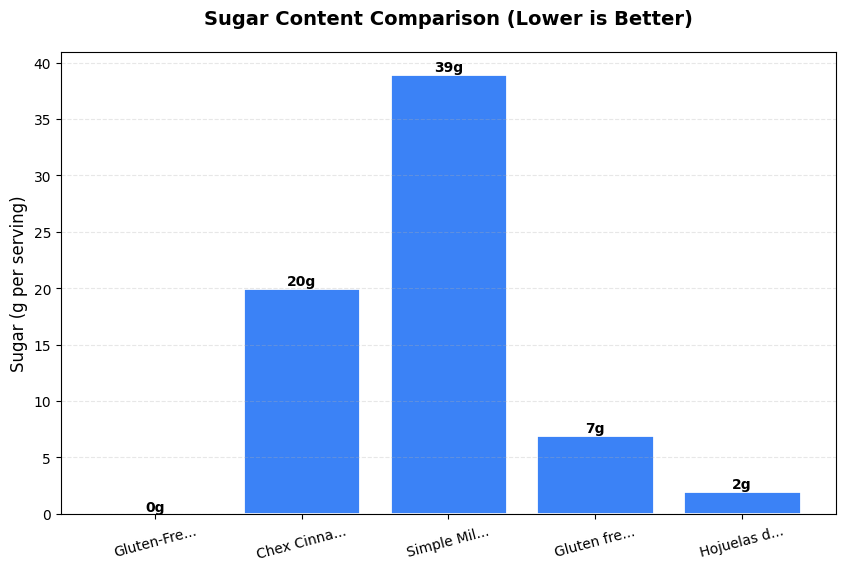
Comparison of sugar content per serving (Lower is better).
The Redditor's Verdict
"What the community is actually saying..."
On Reddit, the vibe is basically: “Some are accidentally vegan, but you have to read every label like a detective.” Pros people mention include convenience, decent options for celiac vegans, and good pairing with hummus or tofu spreads. Cons are big: many taste dry or overly salty, ingredient lists can be sketchy (palm oil, vague “natural flavors”), and prices feel ridiculous for “air and starch.” Complaints also include cross-contamination warnings and brands changing formulas without notice. The consensus: helpful in a pinch, not a nutritional hero.

Gluten-Free Chicken Nuggets
The best overall choice based on taste, ingredients, and value.
In-Depth Reviews
Gluten-Free Chicken Nuggets
Calling these “Gluten-Free Chicken Nuggets” vegan-friendly is like calling a steak salad “plant-forward.” They’re chicken. End of story for vegans. Now, if you’re just asking whether gluten-free nuggets are good on their own: taste is typically fine—salty, familiar, engineered to be dunked in sauce. Texture is the bigger gamble. The gluten-free breading can go from crisp to sandpapery in seconds, with a weird rice-flour crunch that doesn’t shatter, it just… crumbles. Inside, you’re often dealing with processed, slightly rubbery chicken that needs sauce to feel alive. Ingredients usually include starches and gums to fake the snap of wheat-based coatings, which works, but never quite convinces. Value depends on brand, but gluten-free versions usually cost more while delivering the same freezer-aisle mediocrity. Vegan? Absolutely not.
Pros
- - Crisps up decently in an air fryer when cooked aggressively
- - Familiar salty nugget flavor that takes sauces well
Cons
- - Not vegan (it’s chicken), so irrelevant for plant-based diets
- - Breading can turn gritty/crumbly instead of truly crunchy

Chex Cinnamon gluten free
Chex Cinnamon (gluten free) is the kind of snack that pretends it’s breakfast so you feel less guilty eating it by the fistful. For vegans: usually yes—most Chex varieties are free of obvious animal ingredients, but you still need to scan for things like vitamin D sources or “natural flavors.” Taste-wise, it’s aggressively cinnamon-sugar, like someone shook a churro over cardboard squares. Thankfully, the texture saves it: light, crisp, and snappy with that airy corn/rice crunch that doesn’t stick in your teeth. It stays crunchy in milk longer than it deserves, which is a win. Ingredients aren’t exactly “whole-food angelic,” but it’s not the worst processed cereal either. Value is solid: it’s widely available, often discounted, and doubles as cereal or snack mix. Not a health food, but it’s a reliable sweet-crunch fix.
Pros
- - Addictive cinnamon-sugar flavor that actually delivers
- - Crisp, light texture that holds up in milk and snacking
Cons
- - Sugar-forward; it’s dessert cosplaying as breakfast
- - Processed ingredient list—don’t pretend it’s “clean eating”

Simple Mills Gluten Free Brownie Almond Flour Baking Mix
Simple Mills Gluten Free Brownie Almond Flour Baking Mix is what happens when gluten-free stops apologizing and starts showing off. Vegan suitability depends on what you add—many brownie mixes require eggs/butter, so you’ll need flax egg and plant-based butter/oil. Do that, and you can get a surprisingly legit brownie. Taste: deep cocoa, mildly nutty from almond flour, and less of that fake “diet brownie” bitterness. Texture is the headline: tender and chewy at the edges with a slightly fudgy center if you don’t overbake. Almond flour gives it a richer, almost bakery-style crumb, not the gritty rice-flour sandstorm you fear. Ingredients are generally more readable than bargain mixes, but you pay for it—this isn’t the cheap pan of brownies for a crowd. Nutrition is better than classic brownies only in the “less junk, still dessert” sense. It’s a treat. Own it.
Pros
- - Almond-flour crumb gives a rich, non-gritty brownie texture
- - Strong cocoa flavor that doesn’t taste artificially “gluten-free”
Cons
- - Pricey for the size—your wallet will notice
- - Often requires vegan substitutions (eggs/butter) to make it plant-based

Gluten free baking and pancake mix
A generic “gluten free baking and pancake mix” is either your new pantry hero or a bland, gummy disappointment—there’s rarely a middle ground. Vegan? Sometimes. Many are accidentally vegan (flour blends, leavening, salt, maybe sugar), but some sneak in milk powder or eggs, so label-checking isn’t optional. Taste is usually mild to the point of invisibility, meaning you’ll be leaning on vanilla, cinnamon, fruit, or maple syrup to give it a pulse. Texture is where the crimes happen: gluten-free batters can bake up fluffy on top yet dense and slightly rubbery inside, with a starchy afterfeel. The best versions balance rice flour with starches and a binder so the pancake flips without tearing and doesn’t eat like a damp sponge. Value is okay because it’s versatile, but don’t expect miracles without add-ins. Treat it like a base, not a finished product.
Pros
- - Versatile base for pancakes, waffles, and quick bakes
- - Convenient for gluten-free kitchens that need an all-purpose mix
Cons
- - Can turn gummy or rubbery if the blend is starch-heavy
- - Vegan status varies—some contain milk/egg derivatives

Hojuelas de Avena Integral Sin Gluten
Hojuelas de Avena Integral Sin Gluten—gluten-free whole oat flakes—are one of the few gluten-free staples that don’t feel like a sad substitute. For vegans, this is the easy win: oats are plant-based, filling, and actually useful beyond being “free from” something. Taste is clean and mildly nutty, with that comforting toasted-oat aroma that makes your kitchen smell like you’ve got your life together. Texture depends on how you cook them: simmered gently, they go creamy with a pleasant chew; rushed or drowned, they turn into glue. But that’s on you, not the oats. Ingredients are typically just oats (assuming certified gluten-free processing), which is refreshingly honest. Value is strong—big volume, long shelf life, and endless uses (porridge, overnight oats, granola, baking). Nutrition is the highlight: fiber, decent protein, and sustained energy. It’s not flashy, it’s just solid food.
Pros
- - Single-ingredient simplicity (usually just certified gluten-free oats)
- - Excellent texture when cooked properly—creamy with real chew
Cons
- - Can become pasty if overcooked or under-stirred
- - Certified gluten-free versions may cost more than regular oats
The Verdict
For ethics, gluten free crackers are fine if they contain no animal-derived ingredients (watch milk, whey, casein, butter, cheese powders, honey) and if the brand’s allergen statements match your comfort level. For nutrition, many gluten free crackers rely on refined rice/tapioca/potato starch, which keeps them crunchy but often low in fiber and protein. The “best” ones use seeds, legumes (chickpea, lentil), or whole grains and keep sodium and added oils in check. Compared with whole-food snacks, crackers are usually a convenience food—useful, not foundational.
Buying Guide
Look for a clear “vegan” label when possible, not just “gluten free.” Scan ingredients for milk derivatives (whey, casein, lactose, butter oil), honey, and ambiguous seasonings that sometimes hide dairy (cheese flavoring). Choose crackers made with chickpea/lentil flour, quinoa, oats (certified GF), or seed-heavy blends for better protein and fiber. Aim for lower sodium (ideally under ~200 mg per serving) and oils you’re comfortable eating regularly. If you’re celiac, prioritize certified gluten free and reputable allergen controls.
FAQ
Q: Is gluten-free okay for vegans?
Grains such as rice, corn, flax, millet, sorghum, quinoa, oats, and buckwheat are gluten-free and should be included in a vegan diet.
Q: What kind of crackers can a vegan eat?
SURPRISING VEGAN CRACKERS Triscuits Original Triscuits Hint of Salt Triscuits Reduced Fat Triscuits Sea Salt and Black Pepper Triscuits Roasted Red Pepper Triscuits Rosemary and Olive Oil Triscuits Wasabi and Soy Sauce Triscuits Organic Original
Q: Are gluten-free crackers healthy?
Many gluten-free crackers can be healthy snacks, but nutritional benefits depend heavily on their specific ingredients. Crackers made with nutrient-rich ingredients, such as almond, chickpea, quinoa, buckwheat, nuts, or seeds, often provide: Higher fiber: Good for digestion and helps you feel full longer.
How We Review & Trust
Our reviews are based on extensive research, ingredient analysis, and real-world feedback. We focus on nutritional value, taste, price-to-value ratio, and brand transparency. We buy products anonymously to ensure unbiased results.
Gluten free crackers can absolutely live in a vegan pantry—just don’t let the label do the thinking for you. Treat them like what they usually are: a convenient vehicle for hummus, salsa, or smashed avocado, not a magic health food. Pick brands that are clearly vegan, higher in fiber/protein, and not sodium bombs in disguise. Your snack plate (and your taste buds) deserve better than expensive crunchy air.
Disclaimer: As an Amazon Associate, CakeID earns from qualifying purchases.
You Might Also Like
The Sweet Truth About 'Sugar-Free' Kids Cereals: A Deceptive Candyland?
April 14, 2026
The Hidden Ingredients in Energy Drinks for Focus
April 14, 2026
Unmasking 'Healthy' Kids Lunchbox Snacks: An Investigative Analysis
April 14, 2026
Plain Yogurt on Keto Isnt Just About Carbs
January 13, 2026
The 2 a.m. Pretzel Crunch
January 13, 2026