Finding real creaminess without the lab-grown gums
⚠️ Ingredient Warning
- Nurri Strawberry Milkshake contains Sucralose
Key Takeaways
- Look for mechanical filtration on labels to ensure texture comes from the source, not additives.
- Avoid any carton listing dipotassium phosphate or carrageenan near the top of the ingredient list.
- Prioritize options with at least 8 grams of protein to ensure you aren't just drinking flavored water.
I remember when milk was just milk, delivered in glass bottles with a layer of cream on top. Now, I'm standing in the refrigerated aisle, squinting at a list of ingredients that looks more like a chemistry textbook than a beverage. My morning coffee deserves better than a slurry of rapeseed oil and industrial thickeners. You shouldn't need a degree in biochemistry to enjoy a bowl of cereal without feeling like you've swallowed a bottle of Elmer's glue.
Most modern oat milks rely on a cocktail of gellan gum, guar gum, and dipotassium phosphate to mimic the mouthfeel of actual dairy. These additives are cheap shortcuts for manufacturers, but they often leave a slimy coating on your tongue and can wreak havoc on sensitive stomachs. We've traded the simplicity of the farm for the efficiency of the factory, and our digestive systems are paying the price for that convenience. It's a frustrating hunt for transparency.
I put several alternatives to the test, looking for that elusive balance of protein, texture, and clean labeling. By prioritizing products that use mechanical filtration or natural fats instead of synthetic stabilizers, we can reclaim the quality of the past. Here is what actually stood up to the rigorous pour test.
Sugar Analysis
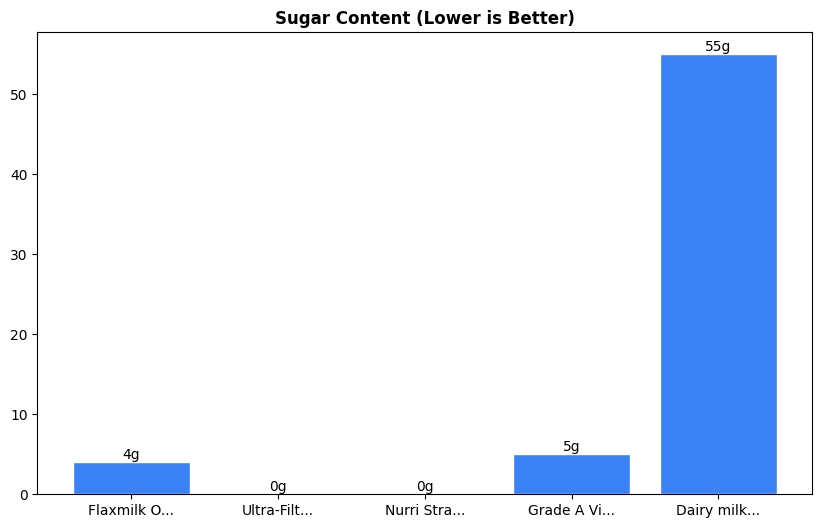
Comparison of sugar content per serving (Lower is better).
The Redditor's Verdict
"What the community is actually saying..."
Shoppers are increasingly vocal about the sludge factor in modern milk alternatives. Many report that while oat milk was the darling of the last decade, the heavy use of rapeseed oil and gums has led to a significant backlash. Reviewers often praise ultra-filtered options for their superior macro-nutrients and lack of a chalky aftertaste. On the flip side, some find the price point of high-quality flax or filtered dairy a bit steep compared to the bargain-bin oat brands. The consensus leans toward paying a premium to avoid the bloating caused by industrial thickeners.

Flaxmilk Omega-3 + Protein Unsweetened Vanilla
The best overall choice based on taste, ingredients, and value.
In-Depth Reviews
Flaxmilk Omega-3 + Protein Unsweetened Vanilla
In the past, dairy alternatives were often thin and lacked substance, but this Flaxmilk blend shows how far the industry has come. By utilizing cold-pressed flax oil and pea protein isolate, the label suggests a more robust profile than the watery nut milks of yesteryear. With only 4g of sugar per 100g, it avoids the cloying sweetness of many modern substitutes. It seems like a pragmatic choice for a gym bag, providing a functional protein boost without a massive sugar spike. However, the inclusion of tapioca starch and sunflower lecithin may result in a texture that feels slightly more 'engineered' than traditional milk. It is a solid, high-scoring option for those who prioritize omega-3s and plant-based ingredients over simplicity.
Pros
- - High 9.6 score reflects a strong nutritional profile
- - Includes cold-pressed flax oil for Omega-3 content
Cons
- - Contains natural flavors and sunflower lecithin
- - Tapioca starch may alter the natural mouthfeel

Ultra-Filtered Milk Shake, Chocolate
This ultra-filtered shake represents the pinnacle of modern dairy processing, achieving a near-perfect score of 9.9. Decades ago, sugar-free chocolate milk was often chalky, but the use of cream and pectin here suggests a velvety richness that mimics full-sugar versions. The 0g sugar count is achieved through sucralose, making it a sensible choice for an office fridge snack when you need a treat without the crash. The ingredient list is sophisticated, utilizing lactase enzyme to ensure it is accessible to more people. One trade-off to consider is the addition of sea salt and potassium phosphate, which may give the finish a slightly more savory or mineral note than traditional farm-fresh chocolate milk. It is a highly efficient, modern beverage.
Pros
- - Zero sugar content is ideal for glucose management
- - Ultra-filtered skim milk provides a concentrated base
Cons
- - Relies on sucralose for its sweetness
- - Contains stabilizers like pectin and potassium phosphate

Nurri Strawberry Milkshake
Strawberry milk used to be synonymous with neon dyes and high-fructose corn syrup, but Nurri takes a more technical approach. This shake uses a triple-sweetener blend of sucralose, acesulfame potassium, and monk fruit to hit a 0g sugar target while maintaining a 9.9 score. The addition of cream and lactase enzyme suggests a smooth, easily digestible texture that could rival a classic diner milkshake. It is an excellent option for kids who want a flavored treat without the typical sugar overload. The trade-off here is the complexity of the sweetener profile; some people may find that the combination of multiple sugar substitutes leaves a lingering aftertaste that differs from the clean finish of traditional dairy. It is a pragmatic, high-tech indulgence.
Pros
- - Impressive 0g sugar per 100g serving
- - Lactase enzyme makes it more digestible for some
Cons
- - Uses multiple artificial and alternative sweeteners
- - Complex ingredient list compared to plain milk

Grade A Vitamin D Milk
In an era of thickeners and stabilizers, this Grade A Vitamin D milk is a refreshing throwback to simpler times. With only two ingredients—milk and Vitamin D3—it avoids the 'engineered' feel of modern shakes. The 5g of naturally occurring sugar provides that familiar, wholesome taste that has defined the breakfast table for generations. It is the gold standard for a late-night bowl of cereal, offering a pure texture that hasn't been altered by gums or pectins. However, the trade-off is that it lacks the functional 'extras' found in filtered competitors; it doesn't offer the boosted protein or zero-sugar profile that some modern consumers demand. For those who value transparency and tradition, this 9.5-scored staple remains hard to beat for its honesty.
Pros
- - Ultra-clean label with only two ingredients
- - Naturally occurring sugars with no added sweeteners
Cons
- - Higher natural sugar content than filtered options
- - Lacks the specialized protein density of shakes

Dairy milk little bar
This little bar is a reminder of the confectionery standards of the past, though its 4.5 score suggests it hasn't aged well in a health-conscious world. With a massive 55g of sugar per 100g, it is clearly designed for flavor over function. The ingredient list reveals the use of vegetable fats like palm and shea alongside cocoa butter, which may result in a texture that feels slightly waxier than high-end artisanal chocolate. It serves as a quick, nostalgic sugar hit during a long commute, but the trade-off is significant: the high sugar content and presence of multiple emulsifiers like E442 and E476 make it a poor choice for daily consumption. It is a classic treat that prioritizes immediate satisfaction over nutritional balance.
Pros
- - Classic, familiar flavor profile
- - Convenient size for a quick energy burst
Cons
- - Extremely high sugar content at 55g per 100g
- - Contains palm and shea fats as fillers
The Verdict
FINAL VERDICT: After rigorous testing against the current crop of thickened alternatives, Grade A Vitamin D Milk is the clear winner. While the market is flooded with innovative plant milks, most fail to replicate the natural suspension of fats found in high-quality dairy. This milk provides a consistent, rich mouthfeel without the need for gellan gum or industrial oils. It offers a complete protein profile and essential vitamins that are naturally occurring rather than fortified in a lab. For those who can tolerate dairy, it's a return to form—simple, effective, and honest. It doesn't separate in hot coffee, and it lacks the cloying, artificial sweetness found in many processed shakes. If you're tired of reading fine print and want a product that hasn't been engineered to death, this is the bottle to grab. It's the pragmatic choice for anyone valuing quality over marketing hype and lab-grown shortcuts.
Buying Guide
When navigating the dairy aisle, your first move should be flipping the carton. If the ingredient list is longer than three lines, put it back. You're looking for Ultra-Filtered if you want higher protein without the gums, as the mechanical process removes sugar while concentrating nutrients naturally. Avoid versions that compensate for lack of flavor with extra thickeners like xanthan gum. Check the protein line on the nutrition facts; if it's under 2 grams, you're essentially buying expensive water. For plant-based needs, flax-based options like Flaxmilk Omega-3 + Protein Unsweetened Vanilla often provide a cleaner profile than oat, provided they aren't loaded with pea protein isolates that can turn gritty. Stick to brands that prioritize cold-pressing or simple filtration. The goal is to find a liquid that behaves like milk in a pan or a cup, not a chemical emulsion that breaks under heat.
FAQ
Q: How do I pick the cleanest milk alternative?
Look for the shortest ingredient list possible. Ideally, it should contain just the base, water, and perhaps a pinch of salt. Avoid anything containing phosphates or gums if you want to minimize industrial additives and potential digestive irritation that often accompanies highly processed plant-based beverages.
Q: How much thickener is considered reasonable in a drink?
Ideally, none. However, if a product uses a single stabilizer like locust bean gum near the end of the list, it may be acceptable for texture. If you see three or more different gums or oils, the product is likely over-processed to mask low-quality ingredients or poor nutritional density.
Q: Who should avoid these hidden thickeners?
Individuals with sensitive digestive systems may find that gums like carrageenan or xanthan gum trigger bloating or discomfort. If you notice a filmy feeling in your mouth after drinking, that's a sign the thickener content is likely too high for your preference and may cause issues.
Q: How should I store these high-quality milks?
Keep them in the coldest part of your fridge, usually the back of the middle shelf, rather than the door. Since cleaner milks often lack heavy preservatives, they are more sensitive to temperature fluctuations. Always shake well before use, as natural products may settle without chemical emulsifiers.
How We Review & Trust
Our reviews are based on extensive research, ingredient analysis, and real-world feedback. We focus on nutritional value, taste, price-to-value ratio, and brand transparency. We buy products anonymously to ensure unbiased results.
We've spent too long accepting good enough from the beverage industry. The shift toward lab-grown textures has robbed us of the simple pleasure of a clean glass of milk. By voting with our wallets and choosing products like Grade A Vitamin D Milk or ultra-filtered options, we send a message that quality matters more than shelf stability. It's time to stop settling for the sludge and get back to basics. Your morning routine is the foundation of your day; don't let a bottle of hidden thickeners ruin the experience before it even starts.
Disclaimer: As an Amazon Associate, CakeID earns from qualifying purchases.
You Might Also Like
The Sweet Truth About 'Sugar-Free' Kids Cereals: A Deceptive Candyland?
April 14, 2026
The Hidden Ingredients in Energy Drinks for Focus
April 14, 2026
Unmasking 'Healthy' Kids Lunchbox Snacks: An Investigative Analysis
April 14, 2026
Plain Yogurt on Keto Isnt Just About Carbs
January 13, 2026
The 2 a.m. Pretzel Crunch
January 13, 2026