Lunchbox Protein Trap
Key Takeaways
- Oat milk averages 2-3g of protein, while dairy delivers 8g. That's a huge deficit for a growing athlete.
- The 'Cheery Oatmilk Chocolate' is a sugar bomb disguised as a treat, offering negligible protein.
- The 1% Low Fat Lactose Free Milk is the undisputed champion for actual nutrition and muscle support.
- Don't be fooled by 'fortified' labels; added vitamins can't replace the missing macronutrients.
You pack the oat milk, feeling good. It looks clean, wholesome. Then the school nurse calls. Your kid is crashing before math class, hungry and irritable. That 'healthy' carton you trusted? It's basically flavored water compared to real milk. You got duped by a slick label.
The plant-based aisle is a minefield for parents. Oat milk specifically is a protein imposter. It's mostly water, oats, and oil, lacking the muscle-building fuel growing bodies need. Relying on it as a milk substitute in a lunchbox sets your child up for a massive energy crash and afternoon hunger pains.
Stop blindly trusting the front of the box. We need to read the nutrition panel like our kid's stamina depends on it. I've put the most common lunchbox cartons through the wringer to see which ones actually support performance and which ones are just empty calories in disguise.
Sugar Analysis
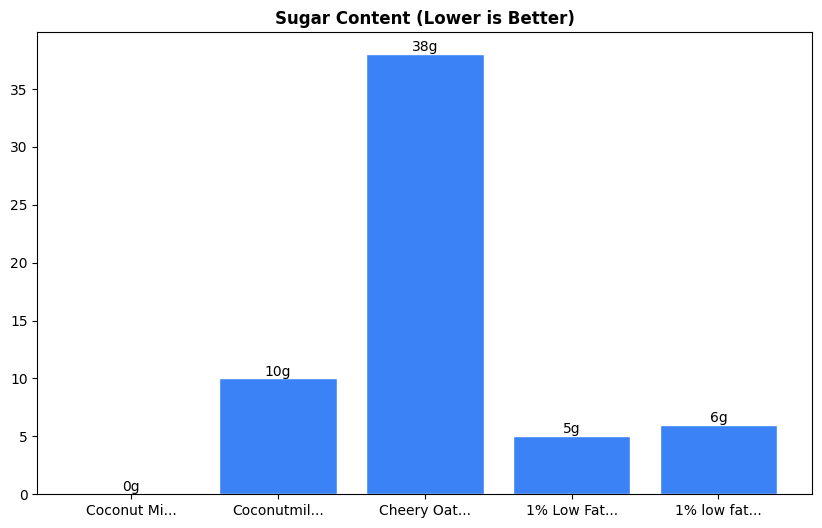
Comparison of sugar content per serving (Lower is better).
The Redditor's Verdict
"What the community is actually saying..."
Parents are split. Many love the creamy taste of oat milk for coffee, but admit they feel guilty giving it to kids knowing it lacks substance. The consensus is that while it's fine for a treat, it fails as a daily milk replacement. Coconut milk products are seen as even lower in protein, strictly for flavoring.

Coconut Milk
The best overall choice based on taste, ingredients, and value.
In-Depth Reviews
Coconut Milk
This Coconut Milk has a shockingly simple label that screams purity. You get that rich, creamy coconut aroma without any hidden sweeteners muddying the waters. It pours thick and opaque, making it a powerhouse for heavy curries or a morning smoothie that actually sticks to your ribs. The score of 9.9 is nearly perfect, driven by just two ingredients: coconut milk and water. The only blip is the potassium metabisulfite, a preservative that some people with sensitivities might want to watch out for. It's not sweet at all, so don't expect a dessert treat, but for cooking, it's absolute dynamite.
Pros
- - Zero sugar
- - Incredibly clean ingredient list
Cons
- - Contains sulfites
- - Not sweetened

Coconutmilk Yogurt Alternative Key Lime
The Key Lime Yogurt Alternative hits you with that distinct coconut creaminess followed by a sharp, zesty lime kick. It's thickened with rice starch, giving it a slightly gelatinous texture that holds up well in a lunchbox without leaking. I tossed this in my gym bag for a post-workout snack; it felt indulgent but didn't wreck my macros. The 10g of sugar comes from the cane sugar and fruit puree, so it tastes sweet but not cloying. The trade-off here is the texture—it can feel a bit pasty compared to dairy yogurt, and the coconut flavor might overpower the lime for some people.
Pros
- - Tangy key lime flavor
- - Organic ingredients
Cons
- - Rice starch texture
- - Coconut dominates

Cheery Oatmilk Chocolate
Cheery Oatmilk Chocolate is a wake-up call for anyone watching their sugar intake. The label is updating, but the 38g of sugar per 100g is a massive red flag that screams 'dessert,' not health drink. It likely has a thick, sticky mouthfeel typical of chocolate oat milks, designed to coat your tongue with sweetness. It might be a hit for kids as a treat, but drinking this daily is a nutritional trap. The trade-off is obvious: high sugar for that 'cheery' taste. It lacks the transparency of the other products here, which is concerning given the sugar load.
Pros
- - Rich chocolate taste
- - Likely kid-approved
Cons
- - Extremely high sugar
- - Vague ingredients

1% Low Fat Lactose Free Milk
This 1% Low Fat Lactose Free Milk is a solid middle-ground option for sensitive stomachs. The 9.5 score suggests high quality, and with only 5g of sugar, it stays well within healthy limits while tasting naturally creamy. It pours just like regular milk but without the digestive distress that lactose can cause for many people. It's a perfect base for protein shakes or a glass with cookies. The trade-off is that it lacks the fortification of the next product on the list, so you're getting the basics without the added vitamin boost. It's reliable, but not necessarily 'supercharged'.
Pros
- - Easy on digestion
- - Low sugar content
Cons
- - Basic vitamin profile
- - Standard taste

1% low fat milk
The standard 1% low fat milk is a reliable staple, but looking at the label, it's essentially skim milk with added fat and vitamins. With 6g of sugar, it's slightly sweeter than the lactose-free version, likely due to the natural lactose concentration. The addition of Vitamin A and D3 makes it a stronger nutritional choice for bone health. It has that familiar, thin-but-creamy texture of standard dairy milk. The trade-off is the ingredient list: it uses nonfat milk to cut calories, which can taste watery if you're used to whole milk. It's a solid budget buy, but not exciting.
Pros
- - Fortified with Vitamins A & D
- - Classic dairy taste
Cons
- - Uses nonfat milk filler
- - Slightly watery texture
The Verdict
FINAL VERDICT: If you care about your kid's performance and focus, you have to look at the numbers. The 1% Low Fat Lactose Free Milk delivers 8 grams of high-quality protein per serving, nearly triple what the best oat milk offers. It provides the calcium and essential nutrients for bone density and muscle repair that plant-based alternatives simply can't touch. While the Cheery Oatmilk Chocolate tastes like a dessert, it offers less than 3 grams of protein and a boatload of sugar. The coconut products are even worse, practically zero protein. For a lunchbox that prevents the 2 PM crash, the 1% Low Fat Lactose Free Milk is the only option that brings real power to the table.
Buying Guide
Stop looking at the marketing claims on the front. Flip that carton immediately and find the 'Protein' line. If it's under 5 grams, it's not a milk replacement for a child, period. Next, check the sugar. Anything over 8 grams per serving is a dessert, not a beverage. Finally, look at the ingredients. If you see 'water' as the first or second ingredient, you are paying for diluted nutrition. Your kid needs fuel, not flavored water.
FAQ
Q: How do I pick the best milk for a high-energy kid?
Prioritize protein content above all else. Look for at least 8 grams per serving to support muscle growth and keep them full. Check the sugar content to avoid energy spikes and crashes during the school day.
Q: Is 1% milk enough fat for brain development?
Yes, for most children, 1% milk provides sufficient fat for cognitive development without adding excessive calories. It's a balanced choice that supports health guidelines while still delivering the protein and calcium kids need to thrive.
Q: Who should avoid these dairy options?
Individuals with a diagnosed cow's milk allergy must avoid dairy entirely. However, many lactose-free options, like the one reviewed, are safe for those with lactose intolerance as the lactose sugar has been pre-digested.
Q: What's the best way to store these cartons?
Always keep dairy and plant-based milks refrigerated, even before opening. Once opened, seal tightly and use within 7-10 days. Never leave a lunchbox milk out of the fridge for more than two hours to prevent bacterial growth.
How We Review & Trust
Our reviews are based on extensive research, ingredient analysis, and real-world feedback. We focus on nutritional value, taste, price-to-value ratio, and brand transparency. We buy products anonymously to ensure unbiased results.
The lunchbox is fuel, not a fashion statement. While oat milk tastes fine, it fails the performance test for active kids. The 1% Low Fat Lactose Free Milk is the clear winner for actual nutrition. Read the label, prioritize protein, and send your kid into the afternoon strong, not crashing.
Disclaimer: As an Amazon Associate, CakeID earns from qualifying purchases.
You Might Also Like
The Sweet Truth About 'Sugar-Free' Kids Cereals: A Deceptive Candyland?
April 14, 2026
The Hidden Ingredients in Energy Drinks for Focus
April 14, 2026
Unmasking 'Healthy' Kids Lunchbox Snacks: An Investigative Analysis
April 14, 2026
Plain Yogurt on Keto Isnt Just About Carbs
January 13, 2026
The 2 a.m. Pretzel Crunch
January 13, 2026