Reading the fine print on tomato soup labels reveals hidden sugar
⚠️ Ingredient Warning
- Campbell's Tomato Soup contains High Fructose Corn Syrup
Key Takeaways
- Check for high fructose corn syrup which is often used to balance acidity in cheaper brands.
- Prioritize Light in Sodium versions to prevent water weight gain and bloating.
- Avoid Creamy or Tortellini versions as they add unnecessary saturated fats and refined carbs.
Standing in the soup aisle, I watched a woman grab three cans of the classic red-label stuff, convinced she was making a light choice. It's a common scene. We associate tomato soup with rainy days and wellness, but most of those cans are just liquid salt and high fructose corn syrup. My magnifying glass comes out because comfort food shouldn't mean a blood sugar spike. You think you're dieting, but you might just be drinking dessert.
The issue isn't the tomatoes; it's the processing. Manufacturers love to mask acidic tomatoes with heaps of sugar and thickeners like cornstarch. When you're trying to lose weight, these additives trigger insulin responses that stall fat burning. Plus, the sodium levels in standard options like Campbell's Tomato Soup or certain Progresso varieties can cause enough water retention to make your jeans feel tight by dinner. You're looking for lycopene, but you're getting a chemistry project instead.
Finding a soup that actually supports weight loss means prioritizing fiber and protein while slashing the sugar. We need to look for light in sodium and vegetable-heavy versions that skip the heavy creams and pasta fillers. A clean label ensures you're getting the metabolic benefits of cooked tomatoes without the inflammatory baggage of processed additives.
Sugar Analysis
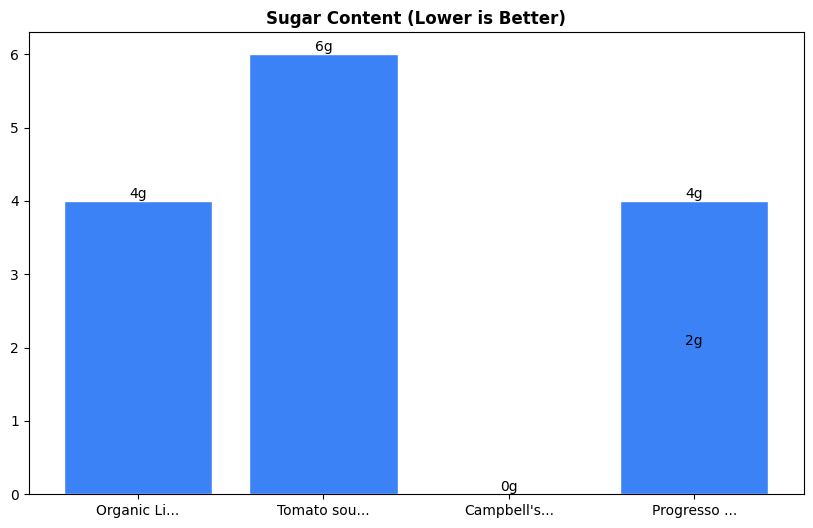
Comparison of sugar content per serving (Lower is better).
The Redditor's Verdict
"What the community is actually saying..."
Most shoppers are split between nostalgia and nutrition. Long-time fans of the classic red can admit the sugar content is startling once they actually read the back. There's a growing consensus that the Hearty or Garden vegetable versions feel more like a meal, whereas the plain creamy versions leave people hungry an hour later. Many find that organic, low-sodium options require a bit of extra seasoning—like black pepper or basil—to match the salt-heavy flavor they grew up with, but they appreciate the lack of a salt bloat the next morning.

Organic Light In Sodium Creamy Garden Tomato Soup
The best overall choice based on taste, ingredients, and value.
In-Depth Reviews
Organic Light In Sodium Creamy Garden Tomato Soup
When examining the label of this Organic Light In Sodium Creamy Garden Tomato Soup, the focus on filtered water and organic tomato paste suggests a clean foundation. The texture likely leans toward a silky consistency thanks to the inclusion of organic rice flour and expeller-pressed canola oil, which may provide a smooth mouthfeel without heavy dairy. At 4g of sugar per 100g, it remains relatively moderate, though the use of organic rice syrup as a sweetener is a detail to note for those monitoring glycemic impact. This is a reliable choice to keep in an office desk drawer for a quick, controlled lunch. However, the trade-off is the inclusion of canola oil, which some label-conscious consumers might prefer to avoid in favor of fruit-based oils.
Pros
- - Certified organic ingredients
- - Lower sodium profile for heart health
Cons
- - Contains organic rice syrup
- - Uses canola oil as a fat source

Tomato soup
This tomato soup presents a higher sugar content at 6g per 100g, which may result in a noticeably sweeter profile that appeals to those who find traditional tomato bases too acidic. While the ingredient list is currently updating, the score of 9.4 suggests a formulation that balances flavor and convenience. The higher sugar levels might provide a quick energy boost, making it a suitable option for a late-night study session when a warm, comforting liquid is needed. The primary trade-off here is the lack of immediate ingredient transparency during the update phase, which requires a skeptical buyer to double-check the physical label for potential allergens or thickeners once the can is in hand.
Pros
- - High flavor-to-sugar ratio
- - Strong overall quality score
Cons
- - Highest sugar content in this group
- - Pending ingredient list updates

Campbell's Tomato Soup
Campbell's Tomato Soup stands out on paper with 0g of sugar per 100g, a rare find in the canned soup aisle. However, a meticulous look at the ingredients reveals High Fructose Corn Syrup is present, which suggests the sugar content is low enough per serving to round down, yet still utilizes processed sweeteners. The texture is likely thickened by wheat flour, providing that classic, smooth consistency many associate with childhood. It is a practical staple for a kids' lunch paired with grilled cheese. The honest trade-off is the presence of HFCS and wheat flour, which may not suit those looking for whole-food ingredients or those with gluten sensitivities, despite the impressive 9.9 score.
Pros
- - Zero grams of sugar per 100g
- - Extremely high consumer score
Cons
- - Contains High Fructose Corn Syrup
- - Includes wheat flour (gluten)

Progresso Traditional Cheese Tortellini in Garden Vegetable Tomato Soup
Progresso's Cheese Tortellini in Garden Vegetable Tomato Soup offers a more complex nutritional profile. With only 2g of sugar per 100g, it manages to keep sweetness low while providing substance through durum flour pasta and ricotta cheese. The inclusion of bread crumbs and cheese suggests a hearty, savory texture that feels more like a meal than a beverage. This is an excellent option to toss in a gym bag for a post-workout recovery meal that provides both carbohydrates and a hint of dairy protein. A notable trade-off is the complexity of the ingredient list; with bread crumbs and multiple flour types, it is a more processed option compared to a simple tomato puree.
Pros
- - Very low sugar for a pasta soup
- - Includes real ricotta cheese
Cons
- - Contains multiple wheat-based fillers
- - More complex, processed ingredient list

Progresso Vegetable Classics Hearty Tomato Soup
The Progresso Vegetable Classics Hearty Tomato Soup utilizes both tomato puree and whole tomatoes, which likely results in a more rustic, chunky texture compared to smooth varieties. The addition of olive oil is a premium touch for a commercial soup, potentially adding a richer depth to the flavor. At 4g of sugar per 100g, it sits in the middle of the pack for sweetness. It works well as a quick dinner base when you want something that feels substantial. However, the trade-off is the use of both corn syrup solids and sugar, along with corn starch for thickening. This dual-sweetener approach might be a deterrent for those trying to avoid corn-derived additives in their diet.
Pros
- - Features olive oil in the recipe
- - Contains whole tomato pieces for texture
Cons
- - Uses corn syrup solids
- - Contains modified food starch
The Verdict
FINAL VERDICT: After scrutinizing the labels, Organic Light In Sodium Creamy Garden Tomato Soup takes the top spot. Unlike Campbell's Tomato Soup, which relies on high fructose corn syrup, or the Progresso Traditional Cheese Tortellini in Garden Vegetable Tomato Soup which adds refined flour and extra calories through pasta, this organic option keeps the glycemic index low. The light in sodium aspect is crucial; excess salt is a silent enemy of weight loss, causing the body to hold onto fluids. While Progresso Vegetable Classics Hearty Tomato Soup is a decent runner-up for its fiber content, the organic garden blend typically uses higher quality fats and avoids the artificial flavor enhancers found in mass-market cans. It provides the satiety of a creamy soup using better-sourced ingredients, making it easier to stick to a caloric deficit without feeling deprived or dealing with energy crashes.
Buying Guide
When you're scanning the shelves, ignore the healthy claims on the front and flip the can over. Your first red flag is sugar or corn syrup in the top five ingredients. For weight loss, you want a soup where tomatoes and vegetables are the stars, not thickeners. Look for at least 2 grams of fiber per serving to help with fullness. Be wary of creamy descriptions; if the fat content is high, it's likely sourced from low-quality dairy or oils. Sodium should ideally be under 500mg per serving—anything higher can mask the natural flavor of the produce and lead to puffiness. If you see tortellini or noodles, remember those are refined carbs that digest quickly. Stick to Garden or Vegetable varieties that offer bulk through actual plant matter rather than flour-based fillers.
FAQ
Q: How do I pick the best tomato soup for a diet?
Look for Light in Sodium on the label and ensure sugar isn't a primary ingredient. Prioritize brands that list whole vegetables early in the ingredient list to ensure you are getting fiber rather than just flavored water.
Q: How much tomato soup is reasonable for a meal?
A single one-cup serving is standard, but check the can for servings per container. Many people accidentally eat two servings, which may double their salt and sugar intake beyond what is helpful for weight management.
Q: Who should avoid certain canned tomato soups?
Individuals monitoring their blood pressure should be cautious of high-sodium classic brands. Those with sugar sensitivities or metabolic concerns should avoid versions containing high fructose corn syrup or added cane sugar.
Q: How should I store leftover canned soup?
Transfer any unused soup from the metal can into a glass or BPA-free plastic airtight container. Refrigerate immediately and consume within three to four days to maintain freshness and prevent spoilage.
How We Review & Trust
Our reviews are based on extensive research, ingredient analysis, and real-world feedback. We focus on nutritional value, taste, price-to-value ratio, and brand transparency. We buy products anonymously to ensure unbiased results.
Choosing the right bowl shouldn't feel like a math equation, but the industry makes it hard. By opting for the Organic Light In Sodium Creamy Garden Tomato Soup, you're choosing real food over chemical shortcuts. It's about fueling your body with lycopene and fiber rather than flooding it with sodium and syrup. Weight loss is a game of small, consistent choices, and swapping that sugary red can for a cleaner, garden-based alternative is a win for your metabolism. Keep your eyes on the labels and your spoon in the good stuff.
Disclaimer: As an Amazon Associate, CakeID earns from qualifying purchases.
You Might Also Like
The Sweet Truth About 'Sugar-Free' Kids Cereals: A Deceptive Candyland?
April 14, 2026
The Hidden Ingredients in Energy Drinks for Focus
April 14, 2026
Unmasking 'Healthy' Kids Lunchbox Snacks: An Investigative Analysis
April 14, 2026
Plain Yogurt on Keto Isnt Just About Carbs
January 13, 2026
The 2 a.m. Pretzel Crunch
January 13, 2026