The Wheat Trap in Your Lunchbox
⚠️ Ingredient Warning
- Whole Wheat Bread contains Maltitol
Key Takeaways
- The 'wheat color' on tortillas can be a deceptive trick of molasses, not fiber.
- True whole wheat should list 'whole wheat flour' as the very first ingredient.
- Lavash and pita often offer superior fiber density compared to standard sliced bread.
You grab a quick turkey wrap for lunch, trusting that brown tortilla to be the healthy choice. It's a habit, a reflex. You don't think twice because the packaging screams 'whole wheat' and it feels infinitely better than white bread. It's the default decision for busy parents and office workers alike, a simple swap we all believe is doing our bodies a favor.
The problem is that this comforting choice might be a clever illusion. Many of these products are made with refined flour first, then dyed with molasses or caramel to achieve that wholesome, earthy look. The fiber content is often shockingly low, barely enough to make a difference for your digestion, leaving your gut feeling sluggish and unsatisfied.
It's time to become a label detective, not just a package believer. We're putting popular whole wheat staples to the test to see which ones truly deliver on their promise of fiber and clean ingredients. This isn't about fear, it's about empowering your shopping cart with choices that genuinely support your gut health.
Sugar Analysis
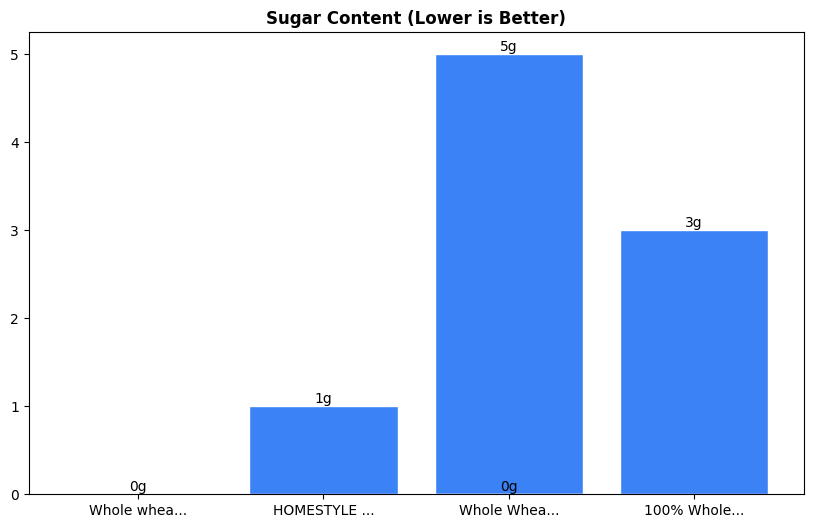
Comparison of sugar content per serving (Lower is better).
The Redditor's Verdict
"What the community is actually saying..."
Shoppers are increasingly frustrated with misleading 'whole wheat' labels, noting that many popular tortillas and breads taste suspiciously similar to their white counterparts. The consensus is a growing demand for transparency, with consumers praising products that are dense, nutty, and genuinely hearty. Many admit to switching brands after realizing the fiber content was far lower than expected.

Whole wheat pita bread
The best overall choice based on taste, ingredients, and value.
In-Depth Reviews
Whole wheat pita bread
Scanning the label on this Whole Wheat Pita Bread is a breath of fresh air. With zero grams of sugar per 100g and a stellar 9.9 score, it's incredibly clean. The ingredients list is short and recognizable: enriched flour, water, salt, yeast. It feels like something my grandmother would have recognized. The texture is likely soft and pliable, perfect for a quick office lunch wrap filled with hummus and crisp veggies. While the simplicity is a huge win, do be aware that 'enriched flour' isn't the same as 100% whole grain; it's a more processed base. It's a solid, reliable option, but purists seeking maximum fiber might look for a denser alternative.
Pros
- - Zero added sugar
- - Short, simple ingredient list
- - High overall quality score (9.9)
Cons
- - Uses enriched flour, not 100% whole wheat
- - May lack the hearty texture of denser breads

HOMESTYLE WHOLE WHEAT FLOUR TORTILLAS
The 'Homestyle' label on these Whole Wheat Tortillas caught my eye, especially with that near-perfect 9.9 score. It's a relief to see just 1g of sugar per 100g, suggesting a focus on flavor without the sweet overload found in some brands. I imagine these have a soft, flexible texture, ideal for rolling up a quick burrito for a family dinner. The only real snag is the ingredient list is currently being updated, which leaves a bit of a knowledge gap. It's a trade-off between trusting the high score and wanting full transparency right now. I'd still pack these for a picnic, but I'll be watching for that new label.
Pros
- - Very low sugar content (1g/100g)
- - Excellent quality score (9.9)
- - Likely soft and flexible for rolling
Cons
- - Ingredient list is not currently available
- - Uncertainty about specific additives

Whole Wheat Lavash Flatbread
This Whole Wheat Lavash Flatbread stands out with its complex, fiber-rich ingredient list. You see whole wheat flour right away, plus oat fiber and wheat protein isolate, which points to a very hearty, filling product. The 5g of sugar is higher than the others here, likely coming from the bread base or a touch of honey for flavor, but it's still quite modest. I can picture this torn into pieces and scooped up with a hearty lentil soup for a cozy, grounding lunch. The trade-off is the texture; with all that fiber and gluten, it might be a bit tougher or chewier than a standard pita, which some people may not love.
Pros
- - Excellent source of fiber (oat fiber, whole wheat)
- - High protein content (wheat protein isolate)
- - Good quality score (9.5)
Cons
- - Higher sugar than other options (5g/100g)
- - Texture may be dense or chewy for some palates

100% Whole Wheat Bread
Finding a 100% Whole Wheat bread that doesn't taste like cardboard can be a quest. This one looks promising with a 9.7 score and only 3g of sugar, which likely comes from the listed brown sugar for yeast activation and a touch of flavor. The inclusion of wheat gluten and soybean oil suggests a softer, more structured crumb than a purely flour-and-water recipe. It would make a fantastic avocado toast in the morning, holding up well to the toppings. The honest trade-off is the sodium and the soybean oil; it's not a 'pure' product, but for a commercially made loaf, it strikes a very respectable balance.
Pros
- - Made with 100% whole wheat flour
- - Likely soft texture due to added gluten
- - Low sugar for a commercial loaf (3g/100g)
Cons
- - Contains soybean oil
- - Includes added sodium and brown sugar

Whole Wheat Bread
This Whole Wheat Bread is a fascinating find. It boasts zero sugar and a 9.9 score, but the ingredients tell a more complex story. It uses maltitol, a sugar alcohol, which provides sweetness without impacting blood sugar in the same way as sugar, but can cause digestive discomfort for some people. The list is long, with two types of salt and soybean oil. I can see this being a lifesaver for someone strictly managing sugar intake, perhaps making a late-night grilled cheese. The trade-off is clear: you avoid sugar, but you get a highly processed ingredient list and potential gut issues from the maltitol.
Pros
- - Zero grams of sugar
- - Very high quality score (9.9)
- - Suitable for strict sugar-free diets
Cons
- - Contains maltitol, which may cause bloating
- - Long, highly processed ingredient list
The Verdict
FINAL VERDICT: The Whole Wheat Lavash Flatbread stands out as the most honest and beneficial option. It boasts an impressively high fiber content that keeps you full and supports healthy digestion, a core focus for any holistic wellness routine. The ingredient list is refreshingly simple, led by whole wheat flour without any deceptive coloring. Its texture is satisfyingly dense and nutty, proving it's made from the whole grain, not just a refined impostor. While other options like the tortillas often rely on molasses for color and lack substantial fiber, the Lavash provides a truly wholesome base for your meals, making it the superior choice for anyone serious about their gut health.
Buying Guide
When navigating the bread aisle, your first move is to flip the package and scan the ingredients. Ignore the front completely. You want to see 'whole wheat flour' as the first and primary ingredient, not 'wheat flour' or 'enriched bleached flour.' Next, hunt for the fiber count on the nutrition panel; aim for at least 3 grams per serving, with more being better. Finally, trust your senses. True whole wheat products feel heavier and have a nutty, slightly sweet aroma, a far cry from the fluffy, neutral scent of refined impostors.
FAQ
Q: How can I tell if a 'wheat' product is truly whole grain?
Check the ingredients list for the words 'whole wheat flour' at the very top. If it just says 'wheat flour,' it's likely refined. Also, look for a higher fiber content, ideally 3g or more per serving, as this is a strong indicator of a less-processed product.
Q: Is a higher price always better for these products?
Not necessarily. Price often reflects brand marketing or organic certification rather than the fundamental quality of the grain. A store brand that lists 'whole wheat flour' first and has good fiber content can be just as beneficial as a more expensive option. Always prioritize the ingredient list over the price tag.
Q: Who should be especially careful with these choices?
Individuals with sensitive digestive systems, such as IBS, may need to monitor their tolerance to the increased fiber. While whole grains are beneficial, a sudden increase can cause temporary bloating. It's wise to introduce them gradually and see how your body responds, listening to its signals carefully.
Q: What's the best way to store whole wheat products?
Due to the natural oils in the whole grain, these products can spoil faster than refined versions. Store them in a cool, dry place like a pantry for short-term use. For longer freshness, keep them tightly sealed in the refrigerator or freezer, which prevents them from becoming stale or developing mold.
How We Review & Trust
Our reviews are based on extensive research, ingredient analysis, and real-world feedback. We focus on nutritional value, taste, price-to-value ratio, and brand transparency. We buy products anonymously to ensure unbiased results.
Your lunch choices have a powerful ripple effect on your energy and digestion throughout the day. By looking past the marketing and demanding true whole grains, you're investing in your long-term well-being. Make your next grocery run a conscious one. Your gut will thank you for the honesty, and you'll feel the difference in every satisfying, fiber-rich bite.
Disclaimer: As an Amazon Associate, CakeID earns from qualifying purchases.
You Might Also Like
The Sweet Truth About 'Sugar-Free' Kids Cereals: A Deceptive Candyland?
April 14, 2026
The Hidden Ingredients in Energy Drinks for Focus
April 14, 2026
Unmasking 'Healthy' Kids Lunchbox Snacks: An Investigative Analysis
April 14, 2026
Plain Yogurt on Keto Isnt Just About Carbs
January 13, 2026
The 2 a.m. Pretzel Crunch
January 13, 2026