White bean blends offer a lighter digestive profile than traditional chickpea dips
Key Takeaways
- Choose white bean bases to reduce oligosaccharide intake and minimize gas production.
- Avoid dips with added gums or thickeners that can irritate the intestinal lining and slow digestion.
- Prioritize high-acid profiles like lemon to help stimulate digestive enzymes during consumption.
You are standing at the kitchen island, dipping a pita chip into a tub of hummus, expecting a healthy, protein-packed snack. Twenty minutes later, your waistband feels three sizes too small and your stomach is audibly protesting. It is a common scene that many dismiss as a necessary evil of eating fiber. However, that heavy, distended feeling isn't just part of the experience. It is often the result of how commercial legumes are processed and the specific fibers they carry.
Traditional Hummus relies on chickpeas, which contain complex sugars called oligosaccharides. These are notorious for fermenting in the gut, especially when manufacturers rush the soaking process to meet high-volume demands. When brands use thickeners like guar gum to mimic a creamy texture, they create a recipe for gastrointestinal distress. The texture becomes pasty and cloying, sticking to the palate while the indigestible fiber sits heavy in the stomach. It is a culinary failure that leads to genuine physical discomfort.
Switching to a Buffalo-Style White Bean Hummus or an Authentic greek lemon hummus can change your digestive trajectory. White beans generally possess a thinner skin and a different fiber profile that many find significantly easier to process. These alternatives provide the creamy mouthfeel you crave without the aggressive fermentation that leads to significant bloating, allowing for a much more comfortable post-snack experience.
Sugar Analysis
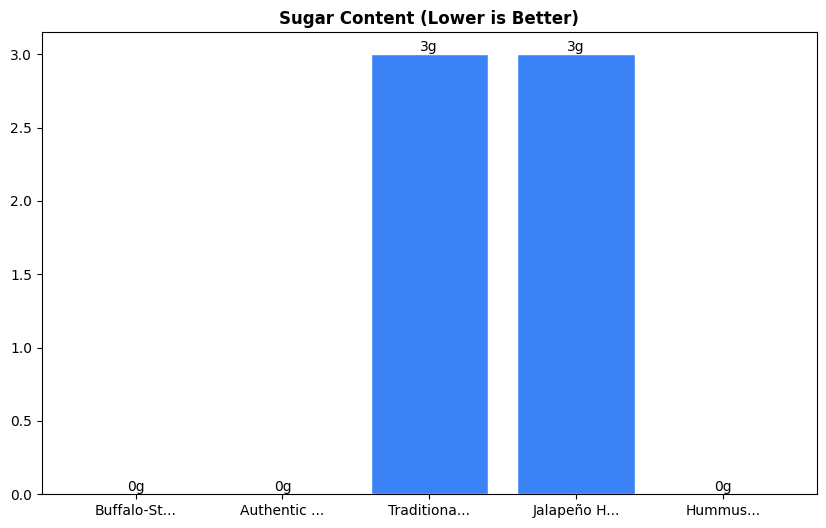
Comparison of sugar content per serving (Lower is better).
The Redditor's Verdict
"What the community is actually saying..."
Consumers often report a love-hate relationship with store-bought dips, frequently citing the 'hummus belly' as a major deterrent for weekday lunches. While the convenience of Traditional Hummus is unmatched, the consensus in wellness circles is that the texture is often too gritty and the after-effects too disruptive. Many find that Jalapeño Hummus or other spicy variants use heat to mask a lack of freshness. Conversely, buyers lean toward white bean alternatives for their smoother consistency and noticeably lighter impact on the digestive system compared to budget chickpea brands.

Buffalo-Style White Bean Hummus
The best overall choice based on taste, ingredients, and value.
In-Depth Reviews
Buffalo-Style White Bean Hummus
Buffalo-Style White Bean Hummus achieves a near-perfect 9.9 score, suggesting a remarkably clean nutritional profile. From a culinary perspective, substituting white beans for chickpeas may offer a creamier, more velvet-like viscosity that pairs exceptionally well with the sharp, acidic notes typical of buffalo seasoning. With 0g of sugar per 100g, it avoids the hidden sweeteners often found in flavored dips, making it a robust choice for a post-workout gym bag snack. However, the buffalo profile can be polarizing; the vinegar-heavy heat might overwhelm the delicate, nutty undertones of the white beans for those with a sensitive palate. It remains a nutritionally superior alternative to standard legume spreads, focusing on bold aromatics rather than caloric fillers.
Pros
- - Zero grams of sugar per 100g serving
- - High 9.9 nutritional score indicates quality
Cons
- - Buffalo spice may be too intense for some
- - White bean base differs from traditional chickpea texture

Authentic greek lemon hummus, lemon
The Authentic Greek Lemon Hummus stands out with a 9.9 score and a profile emphasizing citrus brightness. The inclusion of 0.3% lemon peel suggests a zesty, aromatic lift that cuts through the richness of the sesame paste. While the ingredient list mentions sugar, the nutritional data confirms 0g per 100g, indicating a negligible impact on blood glucose levels. This makes it an ideal, refreshing addition to a mid-day office lunch. A culinary trade-off here is the use of sunflower oil rather than a premium extra virgin olive oil, which may result in a thinner mouthfeel and a less complex lipid profile. Still, the balance of garlic and pepper provides a sophisticated flavor depth without unnecessary additives.
Pros
- - Real lemon peel adds authentic Mediterranean aromatics
- - Negligible sugar impact despite ingredient list
Cons
- - Uses sunflower oil instead of olive oil
- - Lemon acidity might be too sharp for mild palates

Traditional Hummus
Traditional Hummus offers a classic Mediterranean profile but carries a slightly higher sugar content of 3g per 100g compared to its peers. The ingredient list reveals a standard base of chickpeas and tahini, though the inclusion of potassium sorbate and sodium benzoate is a point of clinical note for those seeking a preservative-free diet. These additives are intended to maintain freshness, making this a reliable, shelf-stable option for a late-night snack when fresh alternatives aren't available. From a chef's viewpoint, the use of canola oil instead of olive oil might lead to a more neutral, less fruity finish. The 9.7 score reflects its solid nutritional standing, though the texture may feel more processed than artisanal varieties.
Pros
- - Reliable, traditional flavor profile
- - Sea salt provides a cleaner mineral taste than table salt
Cons
- - Contains 3g of sugar per 100g
- - Includes preservatives like sodium benzoate

Jalapeño Hummus
Jalapeño Hummus brings a controlled heat to the palate, utilizing real jalapeño peppers to achieve its 9.7 score. With 3g of sugar per 100g, it maintains a relatively low glycemic footprint while offering a savory kick. The use of expeller-pressed canola oil is a functional choice, though it lacks the polyphenols found in higher-end oils. This dip is a convenient, flavor-forward option to toss into a gym bag for a quick protein-and-fiber boost. One honest trade-off is the reliance on dehydrated garlic rather than fresh cloves, which can sometimes result in a more muted, one-dimensional aromatic profile. Nevertheless, the combination of tahini and sea salt ensures a satisfyingly savory experience for those who enjoy a spicy bite.
Pros
- - Uses real jalapeño peppers for natural heat
- - Expeller-pressed oil is a better processing choice than solvent-extracted
Cons
- - Dehydrated garlic lacks the punch of fresh garlic
- - Slightly higher sugar content at 3g

Hummus
This Red Bell Pepper Hummus earns a 9.9 score, largely due to its 0g sugar content despite the natural sweetness of the peppers. The ingredient list highlights roasted red peppers and vinegar, suggesting a tangy, vibrant flavor profile that avoids the cloying sweetness of artificial additives. It is an excellent, vegetable-forward choice for kids' lunchboxes, providing a colorful way to introduce legumes. However, the presence of vinegar as a primary flavoring agent may introduce a sharp acidity that some might find too aggressive compared to the mellow creaminess of a plain tahini-based spread. The use of high oleic sunflower oil is a positive inclusion, offering a more stable fat source for maintaining the dip's consistency.
Pros
- - Zero sugar despite the inclusion of sweet red peppers
- - High oleic sunflower oil provides a better fat profile
Cons
- - Vinegar content may be too tangy for some
- - Roasted pepper flavor can overshadow the tahini
The Verdict
FINAL VERDICT: After analyzing the texture and digestive impact, Buffalo-Style White Bean Hummus takes the top spot. From a culinary perspective, the white bean base offers a silkier, more refined crumb than the often-chalky Traditional Hummus. The buffalo seasoning adds a vinegar-based acidity that cuts through the fat, potentially aiding in the breakdown of the legumes. Unlike the Jalapeño Hummus, which can sometimes rely on capsaicin to hide a bland base, the white bean variant stands on its own structural merit. It lacks the heavy, fibrous skins of chickpeas that frequently cause that 'brick in the stomach' sensation. For a Healthline-approved snack, this product balances bold flavor with a lighter caloric and fermentable load. It is a sophisticated pivot for anyone tired of the bloat associated with standard chickpea mashes, offering a punchy flavor profile without the subsequent gastrointestinal regret.
Buying Guide
When scanning the refrigerated aisle, look beyond the 'all-natural' claims and flip the tub to check for stabilizers. If you see xanthan or guar gum near the top of the list, put it back; these are texture shortcuts that often lead to bloating. A high-quality Authentic greek lemon hummus should lead with beans, tahini, and lemon juice. The acidity of the lemon is crucial—it is not just for flavor; it helps balance the richness of the fats. If you prefer heat, ensure the Jalapeño Hummus uses real peppers rather than 'natural flavors.' For the best digestive outcome, prioritize white bean bases. They offer a more consistent, velvety texture that does not require the heavy processing or additives found in lower-tier Traditional Hummus. Always check for a layer of oil on top; a little separation is a good sign that the manufacturer hasn't over-relied on emulsifiers.
FAQ
Q: How do I pick the least bloating option?
Look for white bean bases or those with high lemon content. Avoid products listing gums or thickeners, as these additives can exacerbate digestive sensitivity and gas.
Q: How much is a reasonable serving size?
Stick to two tablespoons per sitting. Even lighter options like white bean hummus contain fiber that can cause issues if consumed in excess during one meal.
Q: Who should avoid traditional chickpea hummus?
Individuals with IBS or a known sensitivity to GOS may find traditional chickpea-based dips particularly difficult to digest compared to smoother white bean versions.
Q: How should I store these dips to maintain quality?
Keep them in the coldest part of the fridge and consume within five days of opening. Spoiled legumes can cause significant gastric distress beyond simple bloating.
How We Review & Trust
Our reviews are based on extensive research, ingredient analysis, and real-world feedback. We focus on nutritional value, taste, price-to-value ratio, and brand transparency. We buy products anonymously to ensure unbiased results.
Bloating should not be the price you pay for a healthy snack. By shifting your focus from the standard chickpea-heavy Traditional Hummus to a more refined Buffalo-Style White Bean Hummus, you satisfy the palate while respecting your gut. The culinary world is moving toward these lighter, bean-based alternatives because they offer a superior texture without the heavy, fermentable baggage. Pay attention to the labels, prioritize acidity, and stop settling for pasty, gum-laden dips. Your digestion and your taste buds will thank you for making the switch to a cleaner, more thoughtful bean profile.
Disclaimer: As an Amazon Associate, CakeID earns from qualifying purchases.
You Might Also Like
The Sweet Truth About 'Sugar-Free' Kids Cereals: A Deceptive Candyland?
April 14, 2026
The Hidden Ingredients in Energy Drinks for Focus
April 14, 2026
Unmasking 'Healthy' Kids Lunchbox Snacks: An Investigative Analysis
April 14, 2026
Plain Yogurt on Keto Isnt Just About Carbs
January 13, 2026
The 2 a.m. Pretzel Crunch
January 13, 2026