Italian Vinaigrette Dressing & Marinade Made With Avocado Oil vs Tomato ketchup
Wondering which one to pick? We analyzed the nutritional profile, ingredients, and vegan status to help you decide.
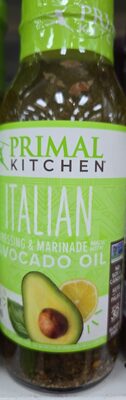
Italian Vinaigrette Dressing & Marinade Made With Avocado Oil
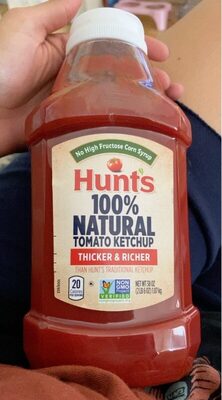
Tomato ketchup
The Verdict: Which is Better?
When placing Italian Vinaigrette Dressing & Marinade Made With Avocado Oil and Tomato ketchup side-by-side, the nutritional differences become quite clear. Both products cater to specific dietary needs, but picking the right one depends on whether you are prioritizing weight loss, muscle gain, or clean eating.
Italian Vinaigrette Dressing & Marinade Made With Avocado Oil is the more energy-dense option here, packing 215 more calories per 100g than Tomato ketchup. If you are looking for sustained energy or fueling a workout, this higher caloric density might be an advantage.
In terms of sugar control, Italian Vinaigrette Dressing & Marinade Made With Avocado Oil takes the lead with only 0g of sugar per 100g, whereas Tomato ketchup contains 17.647058823529g. Lower sugar content is often linked to better metabolic health.
Frequently Asked Questions
Which is healthier: Italian Vinaigrette Dressing & Marinade Made With Avocado Oil or Tomato ketchup?
It depends on your goals. Italian Vinaigrette Dressing & Marinade Made With Avocado Oil has 333 calories, while Tomato ketchup has 117.64705882353 calories. Check the detailed table above for sugar and fat content.
Is Italian Vinaigrette Dressing & Marinade Made With Avocado Oil vegan?
No, Italian Vinaigrette Dressing & Marinade Made With Avocado Oil is not certified vegan.
What is the calorie difference between Italian Vinaigrette Dressing & Marinade Made With Avocado Oil and Tomato ketchup?
There is a difference of 215 calories per 100g between the two products.