Nishikidôri Thé Matcha Fuji Kyoto Japan vs Probiotic seltzer
Wondering which one to pick? We analyzed the nutritional profile, ingredients, and vegan status to help you decide.
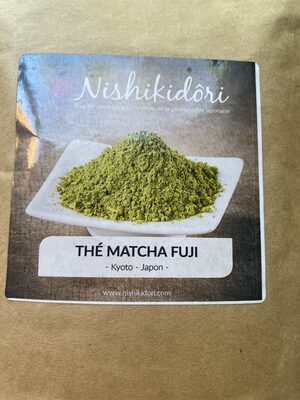
Nishikidôri Thé Matcha Fuji Kyoto Japan
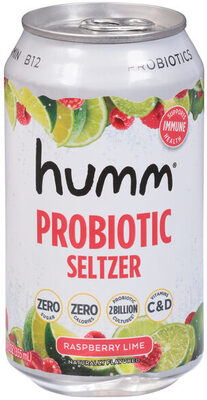
Probiotic seltzer
The Verdict: Which is Better?
When placing Nishikidôri Thé Matcha Fuji Kyoto Japan and Probiotic seltzer side-by-side, the nutritional differences become quite clear. Both products cater to specific dietary needs, but picking the right one depends on whether you are prioritizing weight loss, muscle gain, or clean eating.
Nishikidôri Thé Matcha Fuji Kyoto Japan is the more energy-dense option here, packing 387 more calories per 100g than Probiotic seltzer. If you are looking for sustained energy or fueling a workout, this higher caloric density might be an advantage.
However, watch out for the sugar content. Nishikidôri Thé Matcha Fuji Kyoto Japan contains significantly more sugar (6g) compared to the milder Probiotic seltzer (0g). If you are monitoring your insulin levels or trying to cut down on sweets, Probiotic seltzer is undeniably the healthier pick.
Looking to build muscle? Nishikidôri Thé Matcha Fuji Kyoto Japan offers a protein boost with 33g per 100g, outperforming Probiotic seltzer in this category.
Frequently Asked Questions
Which is healthier: Nishikidôri Thé Matcha Fuji Kyoto Japan or Probiotic seltzer?
It depends on your goals. Nishikidôri Thé Matcha Fuji Kyoto Japan has 387 calories, while Probiotic seltzer has 0 calories. Check the detailed table above for sugar and fat content.
Is Nishikidôri Thé Matcha Fuji Kyoto Japan vegan?
No, Nishikidôri Thé Matcha Fuji Kyoto Japan is not certified vegan.
What is the calorie difference between Nishikidôri Thé Matcha Fuji Kyoto Japan and Probiotic seltzer?
There is a difference of 387 calories per 100g between the two products.