Summer Symphony Salad Topper vs Baby tender artichoke hearts in water
Wondering which one to pick? We analyzed the nutritional profile, ingredients, and vegan status to help you decide.
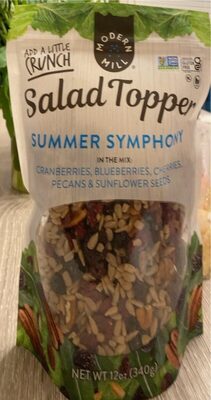
Summer Symphony Salad Topper

Baby tender artichoke hearts in water
The Verdict: Which is Better?
When placing Summer Symphony Salad Topper and Baby tender artichoke hearts in water side-by-side, the nutritional differences become quite clear. Both products cater to specific dietary needs, but picking the right one depends on whether you are prioritizing weight loss, muscle gain, or clean eating.
Summer Symphony Salad Topper is the more energy-dense option here, packing 89 more calories per 100g than Baby tender artichoke hearts in water. If you are looking for sustained energy or fueling a workout, this higher caloric density might be an advantage.
However, watch out for the sugar content. Summer Symphony Salad Topper contains significantly more sugar (42.857142857143g) compared to the milder Baby tender artichoke hearts in water (12.5g). If you are monitoring your insulin levels or trying to cut down on sweets, Baby tender artichoke hearts in water is undeniably the healthier pick.
Frequently Asked Questions
Which is healthier: Summer Symphony Salad Topper or Baby tender artichoke hearts in water?
It depends on your goals. Summer Symphony Salad Topper has 464.28571428571 calories, while Baby tender artichoke hearts in water has 375 calories. Check the detailed table above for sugar and fat content.
Is Summer Symphony Salad Topper vegan?
No, Summer Symphony Salad Topper is not certified vegan.
What is the calorie difference between Summer Symphony Salad Topper and Baby tender artichoke hearts in water?
There is a difference of 89 calories per 100g between the two products.