
Is 1% lowfat milk Vegan?
No, 1% lowfat milk is not vegan. While it is fortified with vitamins and lower in fat, the base ingredient is strictly an animal byproduct. If you are adhering to a strict plant-based diet, this dairy product is strictly off-limits.
The Ingredient Breakdown
When evaluating whether a product fits a vegan lifestyle, we must look beyond the marketing and inspect the source of every ingredient. For standard 1% lowfat milk, the verdict is clear: it is an animal product. Let's analyze the specific ingredients listed on the carton.
The primary ingredient is Grade A lowfat Milk. This is the defining factor. Regardless of the fat percentage (1%, 2%, or skim), the liquid is extracted from mammals (usually cows). The process of producing milk involves the industrialized use of animals, making it incompatible with vegan ethics which reject the commodification of animals. There is no way to obtain cow's milk without the involvement of the dairy industry.
The second area of concern for strict vegans involves the fortification additives. The label lists Vitamin D3. While Vitamin D is essential for bone health, the source of D3 matters significantly. In most non-organic dairy products, the Vitamin D3 used is derived from lanolin. Lanolin is a waxy substance harvested from the wool of sheep. Since wool is an animal product and the shearing process often involves animal welfare issues, lanolin-derived D3 is considered non-vegan by many standards.
Nutritional Value
From a nutritional standpoint, 1% lowfat milk is often viewed as a middle ground between the richness of whole milk and the watery consistency of skim milk. A standard cup typically contains around 100 calories, with approximately 8 grams of carbohydrates (in the form of lactose) and 8 grams of protein.
The 'lowfat' designation means the fat content has been reduced to roughly 2.5 grams per cup. This reduction lowers the overall caloric density and the intake of saturated fats compared to whole milk. However, for those monitoring sugar intake, it is important to note that the lactose content remains relatively high unless the milk is specifically processed to reduce sugars, which it is not in this case. It fits well into standard dietary guidelines for calcium and protein intake, provided you tolerate dairy lactose.
Frequently Asked Questions
Does 1% lowfat milk contain dairy or gluten?
Is 1% lowfat milk good for weight loss?
Where can I buy 1% lowfat milk?
Is 1% lowfat milk safe for kids?
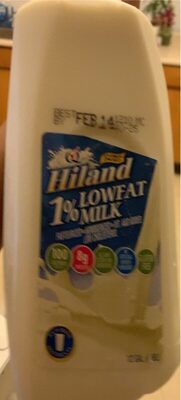
1% lowfat milk
Vegan Analysis
We recommend searching for certified Vegan alternatives.
Pro Tip
Always double-check the label. Manufacturers change ingredients frequently without notice!