
Is 100% Whole Wheat Gluten Free?
No, 100% Whole Wheat is absolutely not gluten-free. Despite the name suggesting a focus on whole grains, this product is fundamentally built on wheat, the primary source of gluten. If you are looking for a safe option for a gluten-free diet, this bread contains multiple ingredients that will trigger a reaction.
The Ingredient Breakdown
As a food scientist, looking at the label for 100% Whole Wheat, the verdict is immediate: this is a gluten-containing product. The very first ingredient listed is whole wheat flour. By definition, wheat flour contains gluten proteins (gliadin and glutenin). When mixed with water, these proteins form an elastic network that gives bread its structure. For someone with Celiac disease or gluten sensitivity, this is the primary ingredient to avoid.
Furthermore, the manufacturer has added vital wheat gluten to the mix. This is essentially concentrated wheat protein added to boost the protein content and ensure a chewy, airy texture. Adding vital wheat gluten is like doubling down on the gluten content, making this product strictly off-limits for a gluten-free diet.
Beyond the gluten issue, there are other ingredients of note. The label lists nonfat dry milk and soy flour, meaning this bread is not suitable for those with dairy or soy allergies. Additionally, the calcium propionate is a common preservative used to inhibit mold growth, which is standard in commercial breads but can sometimes cause sensitivity in children.
Nutritional Value
From a nutritional standpoint, 100% Whole Wheat offers the benefits of whole grains, including fiber and B vitamins found in the wheat bran. However, the presence of sugar and molasses adds to the carbohydrate load. While not excessively high in sugar compared to dessert breads, it is still a processed carbohydrate source.
The vegetable oil (canola and/or soy) contributes to the fat content, though it is generally moderate. For those monitoring caloric intake, a standard slice fits within typical daily limits, but it is not a 'low-carb' or 'keto' friendly option. The addition of enzymes is a technical step to improve dough consistency and shelf life, ensuring the texture remains soft, but it adds no significant nutritional value.
Frequently Asked Questions
Does 100% Whole Wheat contain dairy or gluten?
Is 100% Whole Wheat good for weight loss?
Where can I buy 100% Whole Wheat?
Is 100% Whole Wheat safe for kids?




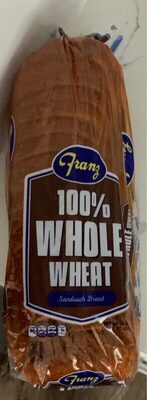
100% Whole Wheat
Gluten Free Analysis
We recommend searching for certified Gluten Free alternatives.
Pro Tip
Always double-check the label. Manufacturers change ingredients frequently without notice!