
Is 33% Milk Chocolate Keto?
No, 33% Milk Chocolate is not keto-friendly. While the cocoa content offers some benefits, the high sugar and milk powder content make it incompatible with a strict ketogenic diet. If you are tracking your macros, this specific chocolate variety will likely push you over your daily carbohydrate limit.
The Ingredient Breakdown
To understand why 33% Milk Chocolate fails the keto test, we need to look at the composition. The percentage on the label (33%) refers to the total cocoa solids. This includes both cocoa liquor (the non-fat part of the bean) and cocoa butter (the fat). While cocoa butter is a fantastic source of healthy fats, the remaining 67% of the bar is where the problems lie.
The primary culprit is Sugar. In standard milk chocolate, sugar is often the very first ingredient listed by weight. It provides the sweetness we crave but adds a significant load of net carbohydrates. On a keto diet, the goal is to limit net carbs to 20-50 grams per day; a single serving of this chocolate can consume a massive portion of that allowance.
Next, we have Milk. Milk contains lactose, a natural sugar found in dairy. While dark chocolate (70%+) is often low in lactose, milk chocolate has a high milk content. This adds to the total carbohydrate count and introduces casein and whey. For strict keto adherents, the sugars in milk are just as disruptive as added cane sugar.
Finally, we see soy lecithin and vanilla. These are generally considered keto-safe as they are used in very small quantities for emulsification and flavoring. They do not contribute significantly to the carb count. The issue remains the sugar and milk ratio.
Nutritional Value
Let's analyze the macros. A standard serving of 33% Milk Chocolate (roughly 40g) typically contains around 20-25 grams of carbohydrates. Because the product is made with milk and sugar, the net carb count remains high even if there is some fiber present in the cocoa.
The fat content is moderate, usually around 12-15 grams per serving. While this provides energy, the ratio of fat to carbohydrates is skewed heavily toward carbs. A true keto food usually has a high fat-to-carb ratio (often 3:1 or higher). Here, the ratio is inverted.
Calorically, it is dense. However, on keto, calories are secondary to carbohydrate restriction. If you consume 33% Milk Chocolate, you are ingesting 'empty' calories that do not support ketosis. It fits the profile of a confectionary treat rather than a functional food for metabolic health.
Frequently Asked Questions
Does 33% Milk Chocolate contain dairy or gluten?
Is 33% Milk Chocolate good for weight loss?
Where can I buy 33% Milk Chocolate?
Is 33% Milk Chocolate safe for kids?

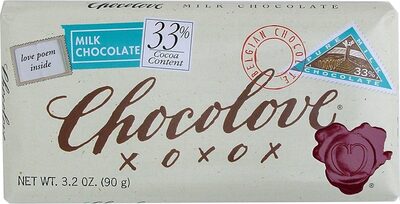
33% Milk Chocolate
Keto Analysis
We recommend searching for certified Keto alternatives.
Pro Tip
Always double-check the label. Manufacturers change ingredients frequently without notice!