
Is 5050 Vegan? An Investigative Ingredient Analysis
The short answer is: **Maybe**. While 5050 biscuits contain no obvious animal products like milk or eggs, they contain two highly controversial ingredients—palm oil and processed sugar—that strict vegans often avoid. This article breaks down the manufacturing process to help you decide if 5050 fits your dietary ethics.
The Ingredient Breakdown
When analyzing whether a processed biscuit like 5050 is vegan, we have to look beyond the surface. The primary ingredients list reads like a standard baking recipe, but the sourcing and processing of these ingredients tell a different story. Let's look at the specific items that raise flags.
First, let's address the obvious. The base of the biscuit is wheat flour (56%). Wheat is a plant, so this is perfectly vegan. Similarly, sodium bicarbonate and ammonium bicarbonate are chemical leavening agents derived from minerals or synthetic processes, making them safe for vegans. The salt and yeast are also plant-friendly.
However, the complexity begins with the vegetable oil. The label specifies palm oil and palm kernel oil. While oil itself is plant-based, the palm oil industry is notorious for deforestation and the destruction of natural habitats, particularly for orangutans. Many ethical vegans boycott palm oil entirely due to these environmental and animal welfare concerns. Unless the manufacturer explicitly states their palm oil is "RSPO Certified" (Roundtable on Sustainable Palm Oil), the ethical vegan status is compromised.
The second major flag is the sugar (17%) and invert sugar. In many regions, white sugar is processed using a filtration method that involves bone char—charred animal bones—to bleach the sugar and remove impurities. Unless the sugar is certified organic or explicitly labeled as "unrefined," there is a high probability that bone char was used in its production, rendering it non-vegan.
Finally, we have sodium metabisulphite. This is a dough conditioner and preservative. While it is synthetic and not an animal product, it is derived from minerals. It is generally considered vegan, though some people with sulfite sensitivities react to it. The artificial flavour is a proprietary blend, and without knowing its exact chemical composition, we cannot be 100% certain it doesn't contain trace animal derivatives, though this is rare in mass-produced biscuits.
Nutritional Value
From a nutritional standpoint, 5050 biscuits are a source of quick energy, but they should be treated as an occasional treat rather than a health food. The carbohydrate content is high, driven primarily by the 17% sugar content and the refined wheat flour. This gives the biscuits a high glycemic index, meaning they can spike blood sugar levels rapidly.
In terms of fat, the vegetable oils contribute to the calorie density. While the fat is plant-derived, it is still a concentrated source of calories. A standard serving size (usually 2-3 biscuits) contains roughly 100-120 calories, mostly from fat and refined carbs. There is very little dietary fiber or protein to slow down digestion.
For those monitoring their intake, 5050 fits into a diet only in strict moderation. They provide negligible vitamins or minerals, aside from the fortification sometimes added to flour. If you are looking for a vegan biscuit that also offers nutritional benefits (like fiber or whole grains), 5050 is not the ideal choice.
Frequently Asked Questions
Does 5050 contain dairy or gluten?
Is 5050 good for weight loss?
Where can I buy 5050?
Is 5050 safe for kids?
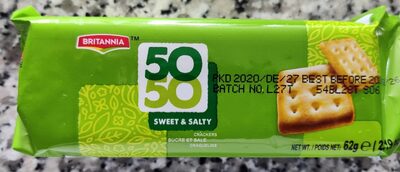
5050
Vegan Analysis
We recommend searching for certified Vegan alternatives.
Pro Tip
Always double-check the label. Manufacturers change ingredients frequently without notice!