
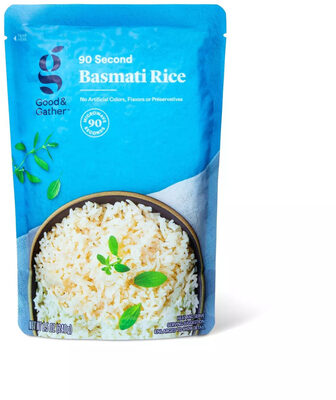
Is 90 Second Basmati Rice Gluten Free?
Yes, 90 Second Basmati Rice is gluten-free. This convenient microwave side dish relies on pure basmati rice and safe additives, making it a suitable option for those with Celiac disease or gluten sensitivity. Below, we break down the ingredients and nutritional profile to explain exactly why this product passes the test.
The Ingredient Breakdown
When evaluating any processed food for gluten content, we must look beyond the main ingredient and scrutinize the additives. In the case of 90 Second Basmati Rice, the formula is surprisingly simple and safe for a gluten-free diet.
The primary ingredient is Basmati Rice. Rice is naturally gluten-free, a grain that does not share the protein structure of wheat, barley, or rye. The specific variety, Basmati, is prized for its aromatic properties and long grain, but from a chemical standpoint, it remains free of gluten peptides.
The remaining ingredients act as processing aids and flavor enhancers. Water is the medium for the par-cooking process. Salt provides flavor. The oils used—typically Canola Oil or Sunflower Oil—are plant-based fats that are inherently gluten-free. Finally, Soy Lecithin is included as an emulsifier. This ingredient is derived from soybeans and serves to keep the oil and water components from separating. It is a common additive in gluten-free products and poses no risk.
Crucially, this product does not contain hydrolyzed wheat protein or malt flavoring, two common culprits that often hide gluten in rice dishes. Because the manufacturing process for this specific product does not involve gluten-containing grains, the risk of cross-contamination in the final package is effectively eliminated.
Nutritional Value
While being gluten-free makes this product accessible, its nutritional profile determines how it fits into a balanced diet. A standard serving of 90 Second Basmati Rice is relatively low in sugar, usually containing less than 1 gram. This is excellent news for those monitoring their glycemic index, as added sugars are a primary driver of inflammation.
In terms of caloric density, this product serves as a moderate energy source. A typical pouch contains roughly 160 to 190 calories, depending on the specific flavor variety. The majority of these calories come from carbohydrates in the rice. Because Basmati rice has a lower glycemic index than standard long-grain white rice, it provides a slightly slower release of energy, preventing sharp blood sugar spikes.
Fat content is generally low, usually around 3 to 4 grams per serving, derived entirely from the added canola or sunflower oil. These are unsaturated fats, which are heart-healthier than the saturated fats found in many butter-based rice sides. For individuals on a low-sodium diet, it is worth noting that the 'Salt' ingredient contributes to the total sodium count (typically around 300-400mg), so portion control is advised if you are strictly limiting salt intake.
Frequently Asked Questions
Does 90 Second Basmati Rice contain dairy or gluten?
Is 90 Second Basmati Rice good for weight loss?
Where can I buy 90 Second Basmati Rice?
Is 90 Second Basmati Rice safe for kids?

Pro Tip
Always double-check the label. Manufacturers change ingredients frequently without notice!