
Is Aged Cheddar Cheese Kosher?
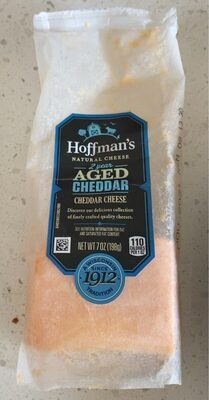
Yes, Aged Cheddar Cheese is generally considered Kosher. While cheese can be a complex category due to rennet sourcing, the specific ingredients found in mass-market aged cheddar—such as pasteurized milk, standard enzymes, and vegetable-based colors—typically meet Kosher requirements. This article analyzes the specific components to explain why this popular cheese is a safe choice for your pantry.
The Ingredient Breakdown
When determining if a cheese is Kosher, the scrutiny starts with the milk, the cultures, and the coagulating enzymes. In the case of the specific Aged Cheddar Cheese profile we are analyzing, the ingredient list reads like a standard, acceptable dairy product. Let's look at the key components.
First, the base of Pasteurized Milk is inherently Kosher, provided the dairy equipment is cleaned according to Jewish law. The Cheese Culture and Salt are also non-issues; they are standard fermentation agents. The most critical ingredient in cheese making is the enzyme, or rennet. The listing of generic Enzymes is usually a positive sign in mass-market cheese. In modern commercial production, these enzymes are almost exclusively microbial or vegetable-derived, rather than coming from animal stomachs (which would require strict verification of the animal's slaughter). Because the label does not specify animal rennet, it defaults to the Kosher-friendly microbial variety.
Next, we look at the additives. The Annatto [Color] is a vegetable dye extracted from the seeds of the achiote tree. It is 100% plant-based and is a standard, accepted additive in the Kosher cheese world. Finally, the Natamycin is a natural mold inhibitor produced by fermentation. It is a common antifungal agent used to preserve freshness without affecting the taste or texture. It is not an animal product and poses no Kosher concerns. Therefore, with no animal-derived rennet and no non-Kosher additives, this cheese passes the test.
Nutritional Value
Aged Cheddar is a nutrient-dense food, offering a significant amount of protein and calcium in a small serving. A standard ounce (28g) typically contains around 110 to 120 calories, with 9 to 10 grams of fat (including saturated fat) and 7 grams of protein. Because it is a dairy product, it is a natural source of vitamin A and B12.
Regarding dietary limits, aged cheddar is very low in carbohydrates and contains virtually zero sugar, making it an excellent option for those following Keto or low-glycemic diets. However, due to its caloric density and sodium content (often ranging from 180mg to 200mg per ounce), it should be consumed in moderation, especially by those monitoring their heart health or caloric intake. It fits well into a balanced diet as a source of high-quality protein.
Frequently Asked Questions
Does Aged Cheddar Cheese contain dairy or gluten?
Is Aged Cheddar Cheese good for weight loss?
Where can I buy Aged Cheddar Cheese?
Is Aged Cheddar Cheese safe for kids?
Pro Tip
Always double-check the label. Manufacturers change ingredients frequently without notice!