
Is Alani Nu Energy Halal?
The direct answer is MAYBE. While Alani Nu Energy doesn't contain obvious animal by-products like gelatin or alcohol, it lacks official Halal certification. The main concern lies in ambiguous ingredients like 'natural flavor,' which can sometimes derive from non-Halal sources. Without manufacturer verification, strict Halal consumers should proceed with caution.
The Ingredient Breakdown
When determining if a beverage is Halal, we look for three things: alcohol, pork derivatives, and ambiguous ingredients. Alani Nu Energy is a sugar-free energy drink that relies on a complex mix of vitamins, amino acids, and preservatives. Let's look at the specific ingredients flagged in this product.
The primary flag for Halal concerns is natural flavor. In the food industry, 'natural flavor' is a broad term that can include plant extracts, but it can also be derived from animal sources or fermented using alcohol. Because Alani Nu does not specify the source of these flavors, we cannot guarantee they are plant-derived. Additionally, while caffeine is generally Halal, the source matters. If the caffeine is derived from coffee beans or tea leaves, it is permissible. However, if it is synthetic or derived from kola nuts (which are generally accepted but require verification), it falls into a gray area without certification.
On the positive side, the drink avoids common non-Halal ingredients. There is no gelatin (often used in gummy vitamins or to suspend ingredients), no glycerin derived from animal fat, and no alcohol used as a solvent or preservative. The vitamins listed, such as Niacinamide and Cyanocobalamin (Vitamin B-12), are synthetic or isolated vitamins and are generally considered Halal. The amino acids, specifically Taurine and L-Carnitine, are also typically synthesized in a lab today rather than extracted from animal bile or tissue, making them safe for consumption. However, without the 'Halal' stamp on the can, the manufacturing process remains unverified.
Nutritional Value
From a nutritional standpoint, Alani Nu Energy is designed for the calorie-conscious. A standard 12oz can contains only 5 calories and 0g of sugar. This is achieved through the use of artificial sweeteners like Sucralose and Acesulfame Potassium. For those adhering to a strict diet or managing blood sugar, this is a significant benefit. The drink is essentially a vitamin water with caffeine.
The drink also packs a punch with energy-boosting ingredients. It contains 200mg of caffeine per can, which is roughly equivalent to two cups of coffee. This is supplemented by Taurine and herbal extracts like Panax Ginseng and Guarana. While these ingredients are effective for energy, the high caffeine content means it is not suitable for everyone, particularly those sensitive to stimulants. The sodium content is relatively low (around 60mg), making it heart-health friendly compared to other sugary energy drinks.
Frequently Asked Questions
Does Alani Nu Energy contain dairy or gluten?
Is Alani Nu Energy good for weight loss?
Where can I buy Alani Nu Energy?
Is Alani Nu Energy safe for kids?
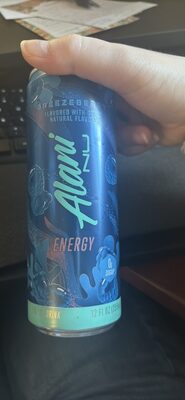
Alani Nu Energy
Halal Analysis
We recommend searching for certified Halal alternatives.
Pro Tip
Always double-check the label. Manufacturers change ingredients frequently without notice!