
Is Almondmilk Creamer Hazelnut Keto?
No, Almondmilk Creamer Hazelnut is not keto-friendly. While the base of almond milk and coconut cream seems promising, the inclusion of cane sugar makes this product a metabolic obstacle for anyone following a strict ketogenic diet. If you are tracking your macros to stay in ketosis, this specific creamer is a hard pass.
The Ingredient Breakdown
As a food scientist, I look past the marketing claims and dive straight into the formulation. The ingredient list for this creamer tells a story of a product trying to balance flavor, texture, and cost, but it ultimately fails the keto test due to one specific category.
The base is a mixture of water, almonds, and coconut cream. This is a solid foundation. Coconut cream is high in medium-chain triglycerides (MCTs), which are excellent for ketone production. However, the ratio is immediately diluted by the next ingredient: cane sugar.
The presence of cane sugar is the primary reason this product is flagged. In the world of nutrition, sugar is the antithesis of a ketogenic diet. It is a high-glycemic carbohydrate that causes a rapid spike in blood glucose and insulin. Even a small amount of added sugar can be enough to disrupt the metabolic state of ketosis. Manufacturers often add sugar to plant-based creamers to mimic the natural sweetness and mouthfeel of dairy cream, which contains natural lactose.
We also see a blend of gums: locust bean gum and gellan gum. These are hydrocolloids used to stabilize the emulsion. Without them, the fat from the coconut cream would separate from the water phase, resulting in a layer of oil on top of your coffee. While these are generally considered safe and non-caloric thickeners, they do not contribute to the carbohydrate count. The issue remains the sweetener.
Nutritional Value
When evaluating a product for keto, we look at the net carbohydrates (Total Carbs minus Fiber). While specific label data can vary slightly by brand, a standard serving of a sweetened hazelnut almondmilk creamer typically contains between 4 to 6 grams of sugar per tablespoon. This might not sound like much, but in the context of a keto diet—which often limits total daily carbohydrates to 20 or 25 grams—it is significant. Coffee is often consumed in multiple servings, so a splash here and there quickly adds up to a sugar load that exceeds your daily limit.
Fat content is usually moderate (around 1.5g to 2g per serving), derived mostly from the almonds and coconut cream. However, the fat-to-sugar ratio is unfavorable. A true keto creamer prioritizes fat and eliminates sugar. Because this product prioritizes flavor via sugar, it lacks the high-fat density required to be considered a 'fuel source' for the keto diet. It essentially acts as a sweetened beverage additive rather than a source of energy.
Frequently Asked Questions
Does Almondmilk Creamer Hazelnut contain dairy or gluten?
Is Almondmilk Creamer Hazelnut good for weight loss?
Where can I buy Almondmilk Creamer Hazelnut?
Is Almondmilk Creamer Hazelnut safe for kids?


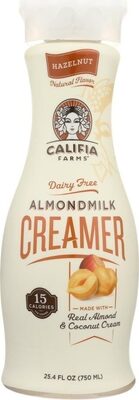
Almondmilk Creamer Hazelnut
Keto Analysis
We recommend searching for certified Keto alternatives.
Pro Tip
Always double-check the label. Manufacturers change ingredients frequently without notice!