
Is Aloe Vera Dessert Keto?
If you are strictly following a ketogenic diet, you should avoid standard Aloe Vera Dessert. While the main ingredient, aloe vera, is low-carb and generally acceptable, the product formulation includes added sugar that makes it incompatible with keto macros. This dessert is designed for sweetness and texture, not for metabolic ketosis.
The Ingredient Breakdown
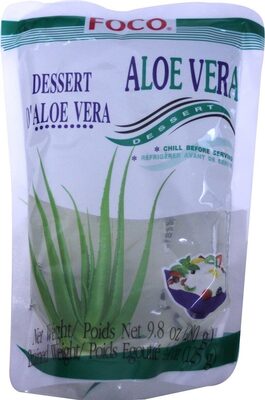
As a food scientist, I look beyond the marketing claims and examine the chemical composition of food. When we analyze the ingredient list for a generic Aloe Vera Dessert, we see a mix of natural and processed additives. The first ingredient listed is ALOE VERA 45%. This is the bulk of the product and is excellent for hydration and contains trace minerals. However, it is suspended in WATER, which is standard for this type of jelly product.
The immediate red flag for keto dieters is the third ingredient: SUGAR. In the world of nutrition, sugar is the antithesis of a ketogenic lifestyle. It is a simple carbohydrate that is rapidly absorbed. Following the sugar, we see CITRIC ACID (E330). This is a common acidity regulator used to balance the pH and add a tart flavor, which is generally considered safe and keto-neutral. The product also uses CALCIUM LACTATE (E327) as a firming agent. This helps maintain the crisp texture of the aloe vera cubes. While calcium lactate is a salt of lactic acid, it does not contribute carbohydrates, though strict keto dieters sometimes monitor mineral intake to manage electrolyte balance.
Finally, the inclusion of ARTIFICIAL MUSCAT FLAVOR is used to impart a grape-like sweetness without the cost of real fruit juice. While artificial flavors do not contain carbs, they are highly processed. The combination of sugar and flavorings is designed to make the aloe vera palatable, but it ultimately renders the product unsuitable for a low-carb diet.
Nutritional Value
To understand why this dessert fails the keto test, we must look at the macronutrient profile. A typical serving of this dessert contains a significant amount of carbohydrates derived almost entirely from the added sugar. For a diet that usually restricts net carbs to under 20-30 grams per day, a single serving of this dessert could consume a large portion of your daily allowance. The fat content is likely negligible, as there are no oils or dairy fats listed in the ingredients. This creates a high-carb, low-fat macro profile that is the opposite of what is required to maintain ketosis.
Calorically, the product is not dense, but the source of those calories matters. The energy provided comes from simple sugars, which will trigger an insulin response. For someone managing insulin sensitivity or trying to burn fat for fuel, consuming this dessert will likely halt ketone production. Therefore, despite the health halo of aloe vera, the nutritional reality of the added sugar makes it a poor choice for this specific diet.
Frequently Asked Questions
Does Aloe Vera Dessert contain dairy or gluten?
Is Aloe Vera Dessert good for weight loss?
Where can I buy Aloe Vera Dessert?
Is Aloe Vera Dessert safe for kids?

Aloe Vera Dessert
Keto Analysis
We recommend searching for certified Keto alternatives.
Pro Tip
Always double-check the label. Manufacturers change ingredients frequently without notice!