
Is Assorted Food Colors Vegan?
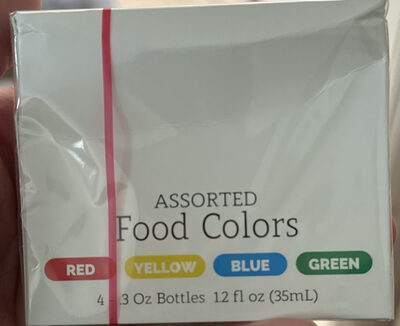
Yes, Assorted Food Colors are generally considered vegan-friendly. Based on the standard ingredient list—including water, glycerine, and synthetic dyes—there are no animal-derived components present. This makes them a suitable choice for those adhering to a plant-based diet looking to decorate cakes, frostings, and other culinary creations.
The Ingredient Breakdown
When determining if a food product is vegan, we look for hidden animal derivatives in colorants, sweeteners, and preservatives. For this specific formulation of Assorted Food Colors, the verdict is clear, but let's look at the science behind the ingredients.
First, the active coloring agents are FD&C Red #40, FD&C Blue #1, FD&C Yellow #5, and FD&C Yellow #6. These are synthetic color additives. Historically, there have been concerns regarding certain dyes (like Red #40) being tested on animals or originally derived from coal tar, but modern food-grade versions are synthesized in laboratories and are not animal products. They are strictly chemical compounds, making them vegan.
Next, we have Glycerine (or Glycerol). This is the ingredient that often trips up consumers. Glycerine can be derived from animal fats (tallow), plants (soy, palm, coconut), or synthesized. However, in the context of mass-produced, low-cost food dyes, manufacturers almost exclusively use synthetic or plant-derived glycerine because it is cheaper and more stable. Without a specific 'animal-derived' label, it is considered vegan safe.
Finally, Citric Acid and Sodium Benzoate are used for preservation and pH balance. Citric acid is almost always derived from the fermentation of molasses or corn syrup (fungus-based), not citrus fruits, and is entirely vegan. Sodium benzoate is a synthetic salt. Therefore, the entire formulation passes the vegan test.
Nutritional Value
It is important to understand that food colors are not a source of nutrition; they are functional additives. If you are analyzing the label for caloric content or macronutrients, you will find that these colors are effectively negligible. They contain zero grams of fat, zero protein, and zero carbohydrates in standard serving sizes.
The primary vehicle here is Water, followed by a small amount of Glycerine. While glycerine is technically a sugar alcohol and can be metabolized for energy (about 4 calories per gram), the amount used in a few drops of food coloring is so minuscule that it does not impact your daily caloric intake or blood sugar levels. This product fits easily into strict diet limits, including Keto, Paleo, and low-carb diets, as the serving size is measured in drops rather than grams.
Frequently Asked Questions
Does Assorted Food Colors contain dairy or gluten?
Is Assorted Food Colors good for weight loss?
Where can I buy Assorted Food Colors?
Is Assorted Food Colors safe for kids?
Pro Tip
Always double-check the label. Manufacturers change ingredients frequently without notice!