
Is Authentic Greek Organic Feta Gluten Free?
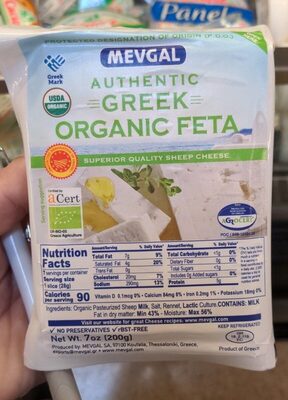
Yes, authentic Greek organic feta is gluten-free. Based on the traditional ingredients used in certified authentic production—organic pasteurized sheep milk, salt, rennet, and lactic culture—there are no gluten-containing grains or additives present. This makes it a safe and delicious option for those avoiding wheat, barley, or rye.
The Ingredient Breakdown
When evaluating any cheese for gluten content, we look strictly at the additive list and the potential for cross-contamination during processing. Authentic Greek Feta is protected by PDO (Protected Designation of Origin) status, which mandates specific production methods and ingredients. Let's look at the four core components found in high-quality organic feta.
First, we have Organic Pasteurized Sheep Milk. Milk is naturally gluten-free. While some people with celiac disease also suffer from lactose intolerance, the gluten protein is found exclusively in grains like wheat, barley, and rye. Therefore, the milk base poses no gluten risk.
The second ingredient is Salt. Salt is a mineral, not a grain derivative. It serves as a preservative and flavor enhancer. In traditional feta production, sea salt is often used, which remains pure and free from gluten contaminants.
Third is Rennet. Rennet is an enzyme complex used to coagulate the milk. In organic feta, this is typically microbial (derived from fungi) or vegetable-based, though animal rennet is also used. None of these sources contain gluten. It is a processing aid that does not remain in the final product in significant quantities.
Finally, Lactic Culture is added to ferment the milk and develop the cheese's tangy profile. These are specific strains of bacteria. Just like the milk they ferment, these cultures are entirely gluten-free. Because the ingredient list is so short and traditional, there is simply no mechanism for gluten to be present in the product itself.
Nutritional Value
Authentic Greek organic feta is nutrient-dense, but it is important to understand its macronutrient profile. A standard serving (about 1 ounce or 28 grams) typically contains around 80 to 100 calories. The majority of these calories come from fat and protein.
Regarding fat content, feta is lower in fat than many hard cheeses like cheddar or parmesan because it is a brined cheese. It contains a mix of saturated and unsaturated fats. While it is not a 'low-fat' food, the fat content is moderate and fits well into balanced diets like the Mediterranean diet.
Regarding sugar, authentic feta contains 0 grams of sugar. The fermentation process consumes the lactose (milk sugar) found in the milk, converting it into lactic acid. This makes feta a very low-glycemic food, which is excellent for blood sugar management. It is also a great source of calcium and vitamin B12.
Frequently Asked Questions
Does Authentic Greek Organic Feta contain dairy or gluten?
Is Authentic Greek Organic Feta good for weight loss?
Where can I buy Authentic Greek Organic Feta?
Is Authentic Greek Organic Feta safe for kids?

Pro Tip
Always double-check the label. Manufacturers change ingredients frequently without notice!