
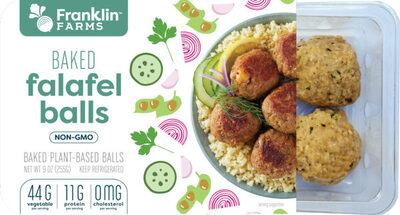
Is Baked falafel balls Kosher?
Yes, Baked falafel balls are considered Kosher. Based on a detailed analysis of the ingredient list, there are no animal-derived products or non-Kosher additives present. This makes them a suitable option for those adhering to Kosher dietary laws.
The Ingredient Breakdown
When determining if a processed food like Baked falafel balls is Kosher, we have to look beyond the obvious vegetables. The base ingredients—chickpeas, zucchini, and onion—are inherently Kosher (Pareve). However, the processing and additives are where issues usually arise. Fortunately, this specific product avoids the most common pitfalls.
A key ingredient often scrutinized is methylcellulose. This is a plant-based derivative used as a binder in many meat substitutes. While some food additives can be chemically complex, methylcellulose is derived from cellulose (plant fiber) and is universally accepted as Kosher and vegan. It serves the same function as an egg would without the animal concerns.
We also need to look at the grains. The inclusion of oats is generally safe, but it is worth noting that oats are frequently cross-contaminated with wheat during harvesting and transport. For a product to be strictly Kosher for Passover, oats can be a concern due to chametz (leavened grains). However, for general year-round Kosher certification, oats are permitted as long as they are processed correctly. Since there is no mention of wheat in the ingredients, and assuming standard commercial processing, the oats here are acceptable.
Finally, the fats and binders are clean. Olive oil is a classic Kosher fat, and the spices and herbs (cilantro, garlic, spices) are fresh and dried varieties that pose no risk. There are no hidden dairy derivatives or meat stocks, making this a Pareve (neutral) item that can be eaten with either meat or dairy meals.
Nutritional Value
While the Kosher status is confirmed, the nutritional profile is equally important for a balanced diet. Baked falafel balls are generally a nutrient-dense food. The primary base of chickpeas provides a solid foundation of plant-based protein and fiber, which aids in digestion and satiety.
Because these are baked rather than deep-fried, they typically have a lower fat content compared to traditional street-food falafel. The olive oil present offers heart-healthy monounsaturated fats. However, it is important to remember that even baked processed foods contain sodium; the sea salt and spices contribute to the flavor but also the sodium count. If you are watching your salt intake, portion control is key. Overall, this fits well into a healthy diet as a protein source, provided you balance the sodium intake from other meals.
Frequently Asked Questions
Does Baked falafel balls contain dairy or gluten?
Is Baked falafel balls good for weight loss?
Where can I buy Baked falafel balls?
Is Baked falafel balls safe for kids?
Pro Tip
Always double-check the label. Manufacturers change ingredients frequently without notice!