
Is Balsamic Glaze Kosher?
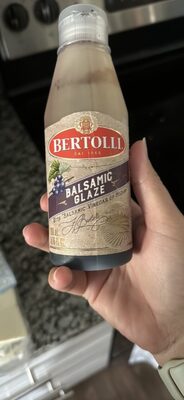
Yes, Balsamic Glaze is generally considered kosher. Based on a detailed analysis of the ingredients—cooked grape must, vinegar, and modified corn starch—there are no animal-derived products or forbidden additives present. This makes it a safe and flavorful addition to salads, roasted vegetables, and meats for those adhering to kosher dietary laws.
The Ingredient Breakdown
To understand why this glaze is kosher, we need to look at the chemistry and sourcing of its components. The primary ingredient is cooked grape must. This is simply crushed grapes that have been cooked down to a syrup. Since grapes are a fruit, they are inherently kosher. The only concern with grape products is the process of fermentation and winemaking, but because the vinegar used is wine vinegar (which has undergone the necessary koshering process), the final product remains compliant.
The caramel color used in this glaze is a plant-derived coloring agent. In the past, some caramel colors were processed with animal products, but the standard caramel color found in mass-market food products today is almost always vegan and kosher. It is produced by heating carbohydrates, usually from corn or sugar, without the use of animal enzymes.
Finally, the thickening agents modified corn starch and xanthan gum are microbial polysaccharides. Xanthan gum is produced by fermentation of sugar by a specific bacteria (Xanthomonas campestris). Both are plant-based and pose no kosher issues. There are no hidden dairy, meat, or insect derivatives in this formulation.
Nutritional Value
While this glaze is kosher, it is important to view it through a nutritional lens. The product is dense in sugars due to the concentrated grape must and cooked grape must. A standard serving (about 2 tablespoons) can contain upwards of 10 to 12 grams of sugar and 40 to 50 calories. It is essentially a reduction, meaning the water has been removed, leaving a high concentration of natural sugars and some residual vinegar acidity.
Regarding fat content, this glaze is virtually fat-free, which is a positive attribute. However, for those monitoring their glycemic index, this is a high-glycemic food. It fits into a diet as a flavor enhancer rather than a primary nutritional source. If you are strictly limiting sugar intake, you should use it sparingly, but it certainly fits within the limits of a standard balanced diet as a condiment.
Frequently Asked Questions
Does Balsamic Glaze contain dairy or gluten?
Is Balsamic Glaze good for weight loss?
Where can I buy Balsamic Glaze?
Is Balsamic Glaze safe for kids?

Pro Tip
Always double-check the label. Manufacturers change ingredients frequently without notice!