
Is Beef lo mein Halal?
No, this specific brand and formulation of Beef lo mein is not considered Halal. While it contains beef, the presence of Sherry wine in the sauce and a Chicken Base derived from non-Halal slaughtered poultry makes it unsuitable for a Halal diet. This analysis breaks down exactly why these ingredients violate Halal standards and explores the nutritional profile of the dish.
The Ingredient Breakdown
When determining if a processed food like Beef lo mein is Halal, we must look beyond the main protein and scrutinize every additive, sauce component, and processing aid. In this specific product, the verdict comes down to two critical ingredients that strictly violate Islamic dietary laws: Sherry Wine and Chicken Base.
The most immediate red flag is the inclusion of Sherry Wine in the sauce ingredients. In Islamic jurisprudence (Fiqh), the consumption of any amount of alcohol is strictly forbidden (Haram). Sherry is a fortified wine made from grapes, and while some argue that alcohol evaporates during cooking, the majority of Halal certifying bodies consider the ingredient itself impermissible regardless of the cooking method. Furthermore, the presence of alcohol can act as a solvent, extracting flavors from other ingredients that remain in the final product.
Equally concerning is the Chicken Base. This ingredient is listed as containing chicken meat, juices, and chicken fat. For poultry to be considered Halal, it must be slaughtered according to specific Islamic rites (Zabihah), which includes invoking the name of God and draining the blood. The ingredient list does not indicate Halal certification for this chicken. Additionally, the base contains Yeast Extract and Natural Flavor, which are often used in processed foods to enhance umami but can sometimes be derived from non-Halal sources or alcohol fermentation, though the chicken itself is the primary concern here.
Finally, the Beef itself is seasoned with Hydrolyzed Corn Protein and a Papal Seasoning containing Whey Protein Concentrate. While the beef is the primary focus, the lack of explicit Halal certification on the meat means we cannot guarantee the animal was slaughtered Islamically. The presence of Whey (a milk derivative) also flags this product as containing dairy, which is relevant for those with allergies but not a Halal violation in itself.
Nutritional Value
From a nutritional standpoint, this Beef lo mein is a calorie-dense, high-sodium meal typical of many frozen or pre-packaged Asian-style dishes. The pasta base is made from semolina and sunflower oil, providing carbohydrates for energy, but it lacks the fiber found in whole grain alternatives.
The sauce is the primary source of hidden sugars and sodium. Ingredients like brown sugar, sugar, molasses, and pineapple juice concentrate contribute to a sweet flavor profile but also spike the glycemic load. Additionally, the Tamari water and added salt significantly increase the sodium content, which could be a concern for those monitoring blood pressure.
Regarding fats, the dish contains beef fat naturally occurring in the meat, plus added olive oil and fats from the Chicken Base. While some fat is necessary for a balanced diet, the combination of saturated fats from the meat and processed oils makes this a heavy meal. It fits into a diet only as an occasional indulgence rather than a daily staple, particularly due to the lack of vegetable variety (only carrots and onions are listed) and the high sodium levels.
Frequently Asked Questions
Does Beef lo mein contain dairy or gluten?
Is Beef lo mein good for weight loss?
Where can I buy Beef lo mein?
Is Beef lo mein safe for kids?

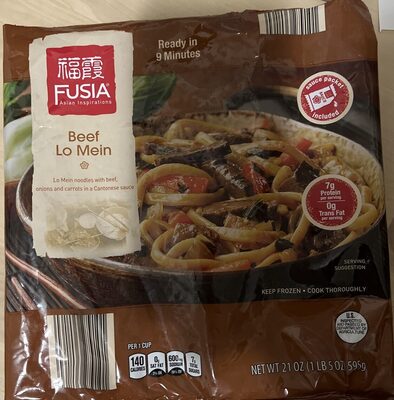
Beef lo mein
Halal Analysis
We recommend searching for certified Halal alternatives.
Pro Tip
Always double-check the label. Manufacturers change ingredients frequently without notice!