
Is Biscoff Keto? The Honest Truth About Lotus Biscoff Cookies
If you are strictly following a ketogenic diet, the short answer is no: Biscoff cookies are not keto-friendly. While their caramelized flavor and crunchy texture are undeniably addictive, the primary ingredients are derived from wheat and sugar, which are the exact macronutrients a keto diet aims to eliminate. Before you dip that cookie in your coffee, let's take a deep dive into the ingredients and nutritional label to understand exactly why Biscoff doesn't fit into a low-carb lifestyle.
The Ingredient Breakdown
To understand why Biscoff is incompatible with ketosis, we have to look at the composition of the cookie. The ketogenic diet relies on keeping carbohydrate intake extremely low—typically under 20 to 50 grams per day—to force the body into a metabolic state called ketosis. Biscoff cookies contain several ingredients that spike blood sugar and insulin.
The very first ingredient listed is Wheat Flour. As a food scientist, I can tell you that standard wheat flour is essentially refined starch. Once digested, it breaks down almost entirely into glucose (sugar). For a keto dieter, this is the most problematic ingredient because it provides a massive load of net carbs in a very small serving size. There is no fiber content high enough in Biscoff to offset this carb load.
Next, we have Sugar and Brown Sugar Syrup. These are not hidden sugars; they are front and center. Biscoff cookies are famous for their distinct caramel flavor, which comes from cooking the sugar to the 'brown' stage (caramelization). However, from a metabolic perspective, your body treats this added sugar exactly the same way it treats table sugar. It triggers a rapid release of insulin, which immediately halts fat burning—the primary goal of the keto diet.
Finally, the Vegetable Oils (Soybean, Sunflower, Canola, Palm) are technically keto-compliant regarding carb counts, but they represent the type of fat used in the cookie. While high fat is part of the keto diet, the specific processed vegetable oils used in mass-produced cookies are often debated in the health community for their omega-6 fatty acid content. However, the dealbreaker remains the combination of high sugar and high flour.
Nutritional Value
Looking at the nutritional label for a standard serving of Lotus Biscoff cookies (2 cookies, roughly 29g), the numbers paint a clear picture. A serving contains approximately 140 calories, with the vast majority coming from carbohydrates.
Specifically, a serving contains roughly 22 grams of total carbohydrates. Because the fiber content is low (around 1 gram), the Net Carbs (Total Carbs minus Fiber) sit at about 21 grams. To put this in perspective, eating just two Biscoff cookies uses up your entire carbohydrate allowance for the day if you are adhering to a strict 20-gram keto limit. You would have zero room left for vegetables, nuts, or sauces.
Furthermore, the Sugar content is roughly 10 to 12 grams per serving. On keto, the goal is to minimize sugar to avoid blood glucose spikes. Consuming 12 grams of sugar in one sitting is enough to potentially kick someone out of ketosis, especially if they are insulin resistant. While the fat content is moderate (around 6g), the macronutrient ratio is completely wrong for keto. A keto-friendly food should be high fat, moderate protein, and very low carb. Biscoff is high carb, moderate fat, and low protein.
Frequently Asked Questions
Does Biscoff contain dairy or gluten?
Is Biscoff good for weight loss?
Where can I buy Biscoff?
Is Biscoff safe for kids?


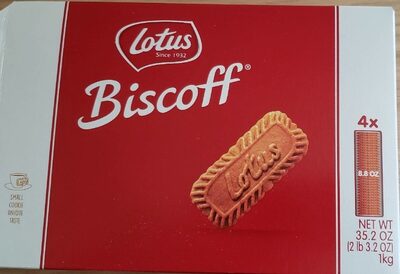
Biscoff
Keto Analysis
We recommend searching for certified Keto alternatives.
Pro Tip
Always double-check the label. Manufacturers change ingredients frequently without notice!