
Is Biscoff Vegan? The Surprising Truth About Lotus Biscoff Cookies
The short answer is: **Maybe.** While Biscoff cookies contain no direct animal products like milk, eggs, or honey, strict vegans might want to avoid them due to how their sugar and palm oil are processed. These iconic spiced cookies are technically plant-based, but they sit in a gray area that depends entirely on your personal dietary standards.
The Ingredient Breakdown
As a food scientist, I look at the label, not just the marketing. Biscoff ingredients are deceptively simple, but two key items complicate the vegan status. Let's look at the list: Wheat Flour, Sugar, Vegetable Oils (Soybean, Sunflower, Canola, Palm), Brown Sugar Syrup, Sodium Bicarbonate, Soy Flour, Salt, and Cinnamon.
The first red flag for many vegans is the Sugar. In the United States, a significant amount of sugar is processed using bone char—charred animal bones—to bleach and purify it. While the sugar itself contains no bone particles, the processing method is not vegan. Unless the manufacturer specifically uses organic or explicitly certified vegan sugar, it is difficult to guarantee the cookie is bone-char-free.
The second major flag is Palm Oil. While palm oil is a plant-derived fat, it is a massive driver of deforestation and habitat loss, particularly for orangutans. Many ethical vegans avoid palm oil entirely due to these environmental and animal welfare concerns. The Biscoff ingredient list includes palm oil (among others), which makes it a no-go for the ethically strict.
On a positive note, the Wheat Flour and Soy Flour are perfectly vegan. Unlike oats, which are often cross-contaminated with wheat during harvesting, Biscoff relies on standard grains that are naturally safe from an animal-contamination standpoint. There are no hidden dairy derivatives like whey or casein, nor is there gelatin.
Nutritional Value
From a nutritional standpoint, Biscoff cookies are a treat, not a health food. A standard serving (two cookies) contains approximately 140 calories, with 6 grams of fat and 11 grams of sugar. The fat comes primarily from the vegetable oil blend, which provides a distinctively crisp texture rather than a soft, chewy one.
Because they are made primarily from refined wheat flour and sugar, Biscoff has a high glycemic index. This means they provide a quick spike in blood sugar followed by a crash. For those following a vegan diet for weight loss or health management, Biscoff should be consumed in moderation, much like any other conventional cookie. They offer little in the way of fiber or protein, serving instead as an energy-dense indulgence.
Frequently Asked Questions
Does Biscoff contain dairy or gluten?
Is Biscoff good for weight loss?
Where can I buy Biscoff?
Is Biscoff safe for kids?
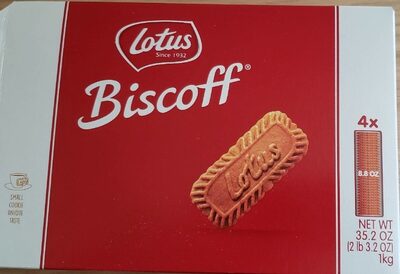
Biscoff
Vegan Analysis
We recommend searching for certified Vegan alternatives.
Pro Tip
Always double-check the label. Manufacturers change ingredients frequently without notice!