
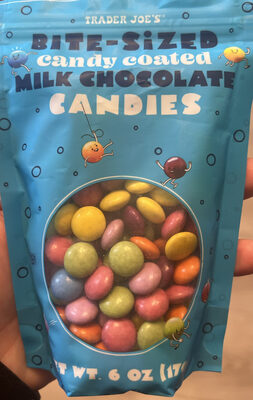
Is Bite-Sized Candy Coated Milk Chocolate Candies Halal?
Yes, Bite-Sized Candy Coated Milk Chocolate Candies are considered Halal. Based on a detailed analysis of the ingredient list, there are no animal-derived shortening or alcohol used in the manufacturing process. These treats rely on plant-based starches and waxes for their structure and shine, making them a permissible option for those adhering to Halal dietary guidelines.
The Ingredient Breakdown
When determining if a confection is Halal, we look past the wrapper and into the chemistry of the candy. For these Bite-Sized Candy Coated Milk Chocolate Candies, the primary concern for many is usually the glazing agent or the emulsifiers. Let's look at the specific components found in this product.
First, the chocolate itself is standard. It contains unsweetened chocolate, cocoa butter, and whole milk powder. Since this is a milk chocolate, it is important to note that it is not vegan, but the dairy sources are fully Halal. The emulsifier used here is soy lecithin, which is a plant-derived substance extracted from soybeans, making it a safe and common choice in Halal confectionery.
The candy coating is where things get interesting. Instead of using gelatin (which is often derived from pork or non-Halal beef), this product uses rice starch and gum arabic. Both are plant-derived and widely accepted in Halal diets. The glazing agent is often a point of contention, but here it is a blend of shellac (a resin secreted by the lac bug) and carnauba wax (from palm leaves). While shellac is permissible (Halal), strict vegetarians often avoid it; however, for Halal certification regarding animal slaughter and forbidden parts, shellac is acceptable. There is no beeswax listed in the primary glazing agent, though it is listed in the general ingredient list, which is also Halal.
Finally, the colors are derived from fruit juice, vegetable juice, turmeric, and spirulina extract. These are all natural, plant-based colorants. There are no artificial colors like Red 40 that might be derived from insect sources (carmine) or synthetic chemicals that are questionable. Therefore, from a food scientist's perspective, the formulation is clean of non-Halal elements.
Nutritional Value
While these candies pass the Halal test, they are still a treat designed for indulgence. The primary ingredients are sugar and cocoa butter, meaning the calorie count is driven by simple carbohydrates and fats. A serving size typically contains a significant amount of sugar, which provides quick energy but lacks nutritional density like fiber or protein.
The inclusion of whole milk powder adds a small amount of calcium and protein, but not enough to classify this as a health food. The candy coating adds extra sugar and cornstarch, which acts as a bulking agent. If you are monitoring your sugar intake or following a low-glycemic diet, these candies should be consumed in moderation. However, for a standard diet, they fit perfectly well as an occasional sweet snack.
Frequently Asked Questions
Does Bite-Sized Candy Coated Milk Chocolate Candies contain dairy or gluten?
Is Bite-Sized Candy Coated Milk Chocolate Candies good for weight loss?
Where can I buy Bite-Sized Candy Coated Milk Chocolate Candies?
Is Bite-Sized Candy Coated Milk Chocolate Candies safe for kids?
Pro Tip
Always double-check the label. Manufacturers change ingredients frequently without notice!