
Is Blueberry preserves Vegan?
The answer to whether blueberry preserves are vegan is MAYBE. While the core ingredients appear plant-based, a hidden processing agent in the sugar often creates a gray area for strict vegans. Let's break down the label to see where this popular breakfast staple stands.
The Ingredient Breakdown
When analyzing blueberry preserves, the vegan status usually comes down to the chemistry of the sweetener. Based on a standard ingredient list of organic sugar, organic blueberries, citric acid, and fruit pectin, here is the scientific breakdown.
Organic Blueberries: These are unequivocally vegan. They are simply whole fruit, providing the flavor, color, and texture of the preserves. No issues here.
Fruit Pectin: This is a naturally occurring polysaccharide found in the cell walls of fruits. It is the standard thickener used to turn fruit juice into a gel. It is derived entirely from plants (often apples or citrus) and is perfectly vegan.
Citric Acid: This is a weak organic acid used for flavor and as a preservative. While it can be derived from citrus fruits, it is commercially produced through the fermentation of molasses or corn syrup using the fungus Aspergillus niger. This process is vegan-friendly.
The Controversy: Organic Sugar: This is the flag. In the United States, table sugar (sucrose) is often refined using a process that involves bone char—charred animal bones—to filter and bleach the sugar crystals. While organic sugar is generally considered safer because USDA regulations prohibit the use of bone char in organic processing, strict vegans may still be wary. If the sugar is not certified organic or explicitly labeled 'vegan,' it is best to assume it may have been processed with bone char filtration.
Nutritional Value
From a nutritional standpoint, blueberry preserves are a concentrated source of energy, primarily derived from carbohydrates in the form of sugar. A typical serving contains a significant amount of added sugar, which provides quick energy but lacks the fiber found in whole blueberries.
The preserves are virtually fat-free and contain negligible protein. While they do offer some antioxidants from the blueberries, the high sugar content means they should be consumed in moderation, especially by those monitoring their glycemic index or caloric intake. It fits into a diet as a treat, but not as a primary fruit source.
Frequently Asked Questions
Does Blueberry preserves contain dairy or gluten?
Is Blueberry preserves good for weight loss?
Where can I buy Blueberry preserves?
Is Blueberry preserves safe for kids?

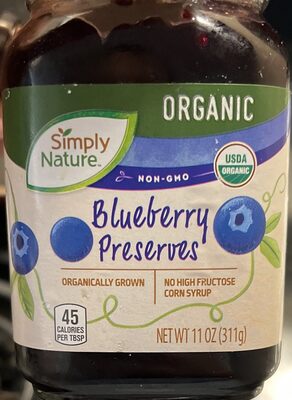
Blueberry preserves
Vegan Analysis
We recommend searching for certified Vegan alternatives.
Pro Tip
Always double-check the label. Manufacturers change ingredients frequently without notice!