
Is Bread Vegan? An Investigative Ingredient Breakdown
Is bread vegan? The short answer is MAYBE. While bread is fundamentally made of flour and water, modern commercial processing often introduces hidden animal-derived additives. In this analysis, we dissect a standard loaf to uncover why ingredients like diglycerides and dough conditioners make strict vegans need to read the fine print.
The Ingredient Breakdown
When analyzing whether a product fits a vegan lifestyle, we look beyond the basics. The core ingredients of this loaf—unbleached enriched flour and water—are inherently plant-based. However, the complexity begins with the additives used for flavor, texture, and shelf life.
The first potential red flag for strict vegans is the sweetener. While high fructose corn syrup is derived from corn, some vegans avoid it due to the processing agents used in its production, which can sometimes include animal bone char, though this is less common than with white sugar. More importantly, we must look at the dough conditioners. The label lists a long chain of emulsifiers including monoglycerides, diglycerides, and DATEM.
Here is the critical issue: diglycerides and monoglycerides can be sourced from either vegetable oil or animal fat. Manufacturers are not required to specify the source on the label. Therefore, unless the bread is explicitly certified vegan, these emulsifiers pose a risk of animal origin. Additionally, the ingredient ammonium sulfate is often used as a dough conditioner; while typically synthesized from synthetic sources or gypsum, it is a chemical additive that strict vegans often prefer to avoid due to potential processing methods.
Finally, the preservative calcium propionate is used to retard spoilage. While generally considered synthetic, it ensures the bread stays fresh for weeks, a process that involves chemical modification that moves the product away from a 'whole food' vegan philosophy.
Nutritional Value
From a nutritional standpoint, this specific loaf is a source of empty calories rather than nutrient-dense fuel. The inclusion of high fructose corn syrup spikes the glycemic index, causing rapid blood sugar fluctuations. While the flour is 'enriched' with niacin and iron, the processing strips away natural fiber, making this bread less satiating than whole-grain alternatives.
Regarding fat content, the addition of soybean oil and the emulsifiers contributes to the calorie count without providing significant health benefits. For those monitoring their intake, this bread fits into a standard diet in moderation, but it is not a 'health food.' The presence of fumaric acid and calcium carbonate suggests a focus on texture and pH balance rather than nutritional density.
Frequently Asked Questions
Does Bread contain dairy or gluten?
Is Bread good for weight loss?
Where can I buy Bread?
Is Bread safe for kids?
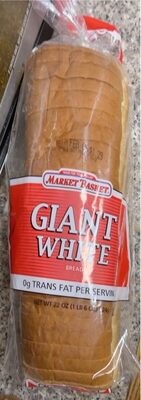
Bread
Vegan Analysis
We recommend searching for certified Vegan alternatives.
Pro Tip
Always double-check the label. Manufacturers change ingredients frequently without notice!