
Is Breakfast Cereal Keto?
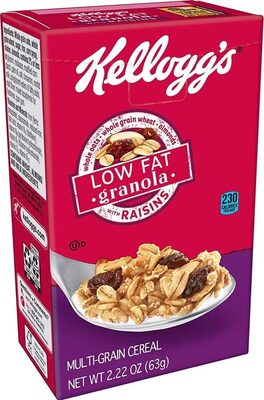
No, Breakfast cereal is not keto-friendly. If you are following a strict ketogenic diet, this product will likely kick you out of ketosis due to its high carbohydrate content and reliance on grain-based ingredients. While it may be marketed as a healthy whole-grain option, the nutritional profile is fundamentally incompatible with the low-carb, high-fat requirements of a keto lifestyle.
The Ingredient Breakdown
When evaluating a product for the keto diet, we look beyond the marketing claims and dive straight into the ingredient list. For this Breakfast cereal, the verdict is a clear 'no' based on several key components that are high in net carbs and contain hidden sugars.
The primary issue is the base of the cereal. The first ingredients listed are whole grain oats and whole grain wheat. While these are considered healthy complex carbohydrates in standard diets, they are dense sources of carbs that are strictly limited on keto. Oats and wheat are often cross-contaminated with gluten, making them unsuitable for those with sensitivities as well. Following these are rice and corn (in the form of modified corn starch), which are starchy ingredients that digest quickly into glucose, spiking blood sugar levels.
The second major red flag is the inclusion of multiple forms of sugar. You will see sugar, corn syrup, and molasses listed. These are added sugars that provide empty calories and a significant carbohydrate load without any nutritional benefit. Raisins, while a fruit, are also concentrated sources of sugar and contribute to the high carb count. Even glycerin, sometimes used as a humectant, can be a source of carbohydrates depending on its derivation.
Finally, the fat sources and additives are not keto-aligned. Palm oil is a high-heat stable fat, but the cereal is low in overall fat content, which is the energy source you want on keto. Additives like modified corn starch and guar gum are used for texture but add to the carb tally. The vitamin fortification is a nice touch, but it doesn't negate the fact that the macronutrient ratio is wrong for this diet.
Nutritional Value
To understand why this cereal fails the keto test, we have to look at the nutritional data. A standard serving of this Breakfast cereal (typically around 1 cup) contains approximately 30 to 40 grams of total carbohydrates. On a keto diet, your daily limit is usually between 20 and 30 grams of net carbs (total carbs minus fiber) to maintain ketosis. Eating a single bowl of this cereal would use up your entire carbohydrate allowance for the day, leaving no room for vegetables or other nutrient-dense foods.
Furthermore, the sugar content is alarmingly high, often accounting for 10 to 15 grams of those total carbs. This rapid influx of sugar causes an insulin spike, which inhibits fat burning—the primary goal of the keto diet. Despite the presence of almonds, the fat content is negligible compared to the carbs. A keto meal should ideally have a high fat-to-carb ratio (often 3:1 or higher), whereas this cereal has a ratio that is heavily skewed toward carbohydrates.
While the cereal is fortified with vitamins like Vitamin D3, B12, and Iron, these synthetic additions cannot offset the metabolic impact of the high sugar and starch load. For someone tracking their macros, this product would be considered a 'high-carb' food that is strictly off-limits.
Frequently Asked Questions
Does Breakfast cereal contain dairy or gluten?
Is Breakfast cereal good for weight loss?
Where can I buy Breakfast cereal?
Is Breakfast cereal safe for kids?

Breakfast cereal
Keto Analysis
We recommend searching for certified Keto alternatives.
Pro Tip
Always double-check the label. Manufacturers change ingredients frequently without notice!