
Is Buldak Ramen Keto?
If you are craving the fiery heat of Buldak Ramen while sticking to a ketogenic diet, the answer is a hard no. Despite the high fat content from the spicy sauce, the noodle base is pure wheat flour, and the seasoning packets are loaded with hidden sugars and starches. Here is the scientific breakdown of why this popular instant noodle is strictly off-limits for keto dieters.
The Ingredient Breakdown
As a food scientist, looking at the label of Buldak Ramen reveals a formulation designed for flavor and texture, not metabolic ketosis. The primary obstacle is the Ramen Noodles themselves. The first ingredient is Wheat Flour, which is essentially pure carbohydrate. While the noodles are fried in palm oil (providing fat), the structural carbohydrate content is too high to fit the macro requirements of a keto diet.
The second major hurdle is the Sauce Packet. While it contains oils and chili, it also lists High Fructose Corn Syrup and Sugar very early in the ingredient deck. These are simple sugars that cause an immediate spike in blood glucose and insulin, halting ketone production. Furthermore, the sauce utilizes Maltodextrin and Food Starch-Modified as carriers for the spices and flavorings. Maltodextrin has a glycemic index even higher than table sugar, making it particularly damaging to a low-carb state.
Finally, the Powder Packet (often the cheese or cream topping) is a trap. It contains Corn Powder, Sugar, and Dextrose. Even the Milk Powder contributes lactose, which is a milk sugar. In the world of keto, these ingredients are strictly limited, and Buldak Ramen packs them into a small serving size that exceeds the daily carb allowance of most keto practitioners.
Nutritional Value
From a nutritional standpoint, Buldak Ramen is a high-calorie, high-sodium, and high-carbohydrate food. A standard serving contains roughly 70-80 grams of carbohydrates per package. For a standard ketogenic diet, the daily limit is usually 20-50 grams of net carbs. Eating a single package of Buldak Ramen would consume your entire carbohydrate budget for the day, leaving no room for vegetables, nuts, or dairy.
While the fat content is relatively high due to the palm oil in the noodles and the soybean oil in the sauce, the ratio of fats to carbohydrates is wrong for keto. Keto requires high fat, moderate protein, and very low carb. Buldak Ramen is high fat, moderate protein, and very high carb. The caloric density is high (over 500 calories), but those calories are derived largely from carbohydrates and processed oils rather than clean keto fuel sources.
Frequently Asked Questions
Does Buldak Ramen contain dairy or gluten?
Is Buldak Ramen good for weight loss?
Where can I buy Buldak Ramen?
Is Buldak Ramen safe for kids?

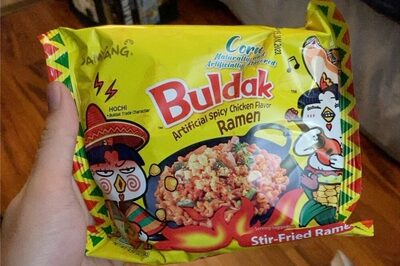
Buldak Ramen
Keto Analysis
We recommend searching for certified Keto alternatives.
Pro Tip
Always double-check the label. Manufacturers change ingredients frequently without notice!