
Is Bulgarian Probiotic Yogurt Halal?
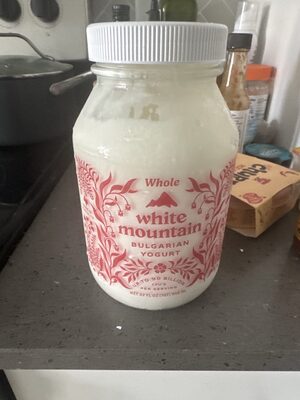
Yes, Bulgarian Probiotic Yogurt is considered Halal. Based on the standard ingredient profile consisting of Grade A pasteurized whole milk and specific live cultures, this product contains absolutely no ingredients that are forbidden in Islamic dietary laws. It is a pure dairy product free from alcohol, pork derivatives, or questionable additives.
The Ingredient Breakdown
When determining if a food product is Halal, we must look at every component to ensure it meets strict dietary standards. For Bulgarian Probiotic Yogurt, the analysis is straightforward because the ingredient list is remarkably clean and simple. There are no hidden complex chemical compounds or animal-derived ingredients other than dairy.
The primary ingredient is Grade A pasteurized whole milk. Milk from cows, sheep, or goats is universally accepted as Halal, provided the animals are slaughtered according to Islamic rites. However, in the case of yogurt, the milk is not slaughtered; it is extracted from living animals, making it inherently Halal. Pasteurization is simply a heat treatment process to ensure safety and does not affect the Halal status.
The second set of ingredients consists of live cultures. The specific strains listed are L. acidophilus, L. bulgaricus, S. thermophilus, and B. bifidum. These are bacteria used to ferment the milk into yogurt. In Islamic jurisprudence, microorganisms like bacteria and yeast are generally considered permissible (Halal) because they are not animals and do not possess blood or nerves. They are essentially biological agents used in food processing, similar to yeast in bread. Therefore, the fermentation process used here is entirely Halal.
Nutritional Value
From a nutritional standpoint, Bulgarian Probiotic Yogurt is a powerhouse. It is rich in protein and calcium, essential for muscle repair and bone health. Because it is made with whole milk, it also provides a decent amount of dietary fat, which aids in the absorption of fat-soluble vitamins and promotes satiety.
Regarding sugar, plain Bulgarian yogurt typically has a low sugar content, as the bacteria consume some of the natural milk sugar (lactose) during fermentation. This makes it an excellent choice for those monitoring their sugar intake. It fits well within most diet limits, including low-carb and Keto diets, provided no sweeteners are added.
Frequently Asked Questions
Does Bulgarian Probiotic Yogurt contain dairy or gluten?
Is Bulgarian Probiotic Yogurt good for weight loss?
Where can I buy Bulgarian Probiotic Yogurt?
Is Bulgarian Probiotic Yogurt safe for kids?



Pro Tip
Always double-check the label. Manufacturers change ingredients frequently without notice!