
Is Butter croissant Halal?
The answer to whether a Butter croissant is Halal is MAYBE. While the product does not contain obvious Haram ingredients like pork or alcohol, the presence of ambiguous additives like 'natural flavor' requires caution. This analysis investigates the source of these ingredients to help you make an informed decision.
The Ingredient Breakdown
When determining if a processed food like the Butter croissant is Halal, we must look beyond the marketing and into the chemistry of the dough. The primary concern here isn't what is listed, but rather what is hidden within vague terms.
The most significant flag in this ingredient list is natural flavor. In the food industry, this term can be derived from both plant and animal sources. While often plant-based, manufacturers use it to hide complex flavorings that could potentially be derived from non-Halal sources, such as animal fats or fermented alcohol. Without a specific certification or direct inquiry to the manufacturer regarding the source of this flavor, its Halal status remains uncertain.
Furthermore, the fat source is listed as margarine, comprised of palm oil, canola oil, and nut oil. While these are generally plant-derived, the processing of margarine can sometimes involve animal-based clarifying agents, though this is less common today. Additionally, the warning that the product is processed on equipment shared with tree nuts is a safety concern for those with allergies, but it does not impact the Halal status. The presence of enriched wheat flour and yeast confirms the bread base is standard, but the additives remain the hurdle.
Nutritional Value
From a nutritional standpoint, the Butter croissant is a calorie-dense item. A single serving of 85g (roughly one piece) contains 280 calories, with 13g of total fat (including 5g of saturated fat). This fat content is significant for a small pastry, contributing to its rich texture but also to daily intake limits.
Carbohydrates are the dominant macronutrient at 36g, with 9g of total sugars (7g of which are added sugars). This sugar content provides the initial burst of energy but can lead to a crash later. The protein content is modest at 6g, which is decent for a pastry but not enough to balance the glycemic load. With 430mg of sodium, it accounts for about 19% of the recommended daily value, making it a moderately salty processed food. It fits into a diet as an occasional treat rather than a daily staple.
Frequently Asked Questions
Does Butter croissant contain dairy or gluten?
Is Butter croissant good for weight loss?
Where can I buy Butter croissant?
Is Butter croissant safe for kids?

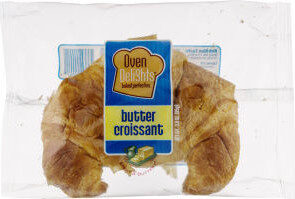
Butter croissant
Halal Analysis
We recommend searching for certified Halal alternatives.
Pro Tip
Always double-check the label. Manufacturers change ingredients frequently without notice!