
Is Cajun Seafood Salad Vegan?
No, Cajun Seafood Salad is not vegan. Despite the creamy texture and spicy kick, this deli staple relies heavily on animal-derived ingredients. From the fish protein in the surimi to the egg yolks in the mayonnaise and the red dye from insects, this dish is strictly off-limits for anyone following a plant-based diet.
The Ingredient Breakdown
To understand why this salad isn't vegan, we have to look past the spicy Cajun seasoning and examine the base components. As a food scientist, I look at the functional ingredients—the ones that provide texture, color, and structure—and unfortunately for vegans, the list is full of animal products.
The primary offender is the SURIMI. This is the processed seafood paste that mimics crab or lobster meat. The label explicitly lists Fish Protein (Alaska Pollock and/or Pacific Whiting) as the first ingredient. Even if the texture were replicated with plant starches, the presence of actual fish protein immediately disqualifies this dish from being vegan.
Next, we look at the binder and the creamy element: MAYONNAISE. Standard commercial mayonnaise is an emulsion of oil and eggs. The ingredient list confirms this contains Egg Yolk and Whole Egg. While there are excellent vegan mayos made from aquafaba or soy, this specific product uses traditional egg-based emulsification.
Finally, there is the color. Many consumers assume red coloring comes from paprika or cayenne, but the label lists Carmine alongside Caramel Color. Carmine (also known as cochineal) is a red pigment derived from crushing cochineal insects. It is a common non-vegan hidden ingredient in red-colored foods. While Canthaxanthin (also listed) is a synthetic orange pigment, the inclusion of Carmine confirms the use of animal-derived coloring agents.
Nutritional Value
From a nutritional standpoint, Cajun Seafood Salad is a dense source of protein, but it is also high in fat and sodium. Because the base is Surimi (fish) and Mayonnaise (oil and eggs), the calorie count is significant. A standard serving can easily range between 150 to 250 calories per 1/2 cup serving, largely driven by the soybean oil in the mayo.
The Sugar content is worth noting as well. Surimi often contains added sugar and Sorbitol to improve texture and moisture retention. While not a dessert, the sodium levels are quite high due to the Salt, Sodium Tripolyphosphate, and preservatives like Sodium Benzoate. It fits within a standard diet as an occasional indulgence, but it is not a 'health food' due to the processed nature of the ingredients.
Frequently Asked Questions
Does Cajun Seafood Salad contain dairy or gluten?
Is Cajun Seafood Salad good for weight loss?
Where can I buy Cajun Seafood Salad?
Is Cajun Seafood Salad safe for kids?
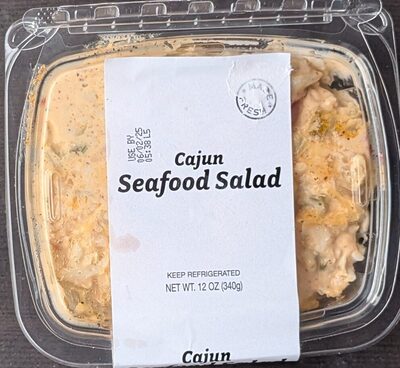
Cajun Seafood Salad
Vegan Analysis
We recommend searching for certified Vegan alternatives.
Pro Tip
Always double-check the label. Manufacturers change ingredients frequently without notice!