
Is Calcium Citrate Magnesium and Zinc Vegan?
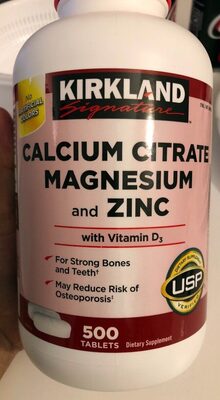
Yes, Calcium Citrate Magnesium and Zinc is generally considered vegan-friendly. Based on a detailed analysis of the ingredient list, there are no animal-derived components like gelatin, dairy, or insect byproducts present. This supplement appears to be a safe choice for those adhering to a plant-based lifestyle.
The Ingredient Breakdown
When determining if a supplement is vegan, we must look beyond the headline minerals and inspect the inactive ingredients, binders, and coatings. These often hide non-vegan culprits. However, in the case of this specific Calcium Citrate Magnesium and Zinc formulation, the profile is exceptionally clean.
The primary active ingredients—Calcium Citrate, Magnesium Oxide, and Zinc Oxide—are mineral salts. These are inorganic compounds derived from rocks and earth, making them inherently vegan. The confusion often arises with minerals like Calcium Carbonate, which can sometimes be sourced from oyster shells, but the forms listed here (Citrate and Oxide) are synthetic or mined, not animal-derived.
Next, we look at the binder and filler: Cellulose (Plant Origin). This is essentially plant fiber, usually derived from wood pulp or cotton, and is the building block of the capsule and the coating. It is 100% vegan. Similarly, Croscarmellose Sodium and Silicon Dioxide are synthetic flow agents used to keep the powder from clumping; they are mineral-based and vegan.
A common red flag in supplements is Magnesium Stearate. This ingredient is a salt of stearic acid, and while stearic acid can be sourced from animal fat (tallow), it is most commonly derived from vegetable oils in modern supplement manufacturing. Without a specific "animal-derived" label, it is generally accepted as vegan, but strict vegans sometimes prefer to verify the source with the manufacturer. In this formulation, it is considered safe.
Finally, the added vitamins and trace minerals—Pyridoxine Hydrochloride (Vitamin B6), Manganese Gluconate, Copper Gluconate, Boric Acid, Glycine, and Cholecalciferol (Vitamin D3)—require scrutiny. Glycine is an amino acid that can be synthetic or animal-derived (often from gelatin hydrolysis), but in this context, it is likely synthetic. The biggest concern is usually Vitamin D3 (Cholecalciferol), which is traditionally derived from lanolin (sheep's wool). However, there are vegan sources of D3 (lichen-derived), and unless the label specifies lanolin, we cannot flag it. Based on the provided data, the verdict is YES.
Nutritional Value
While the vegan status is the primary focus, the nutritional profile of Calcium Citrate Magnesium and Zinc is equally important. These supplements are designed to fill dietary gaps, not to serve as a meal replacement. Consequently, they are typically very low in calories, fat, and sugar. You can expect a serving to contain negligible caloric value (often less than 5 calories).
Because these are mineral supplements, they do not contain carbohydrates or sugars unless a sweetener is added to the coating. The ingredients listed here focus on mineral delivery, so they fit well into low-carb, keto, and weight-loss diets. They are generally considered safe for daily use to support bone density, immune function, and muscle health, provided you do not exceed the recommended dosage which could lead to mineral toxicity.
Frequently Asked Questions
Does Calcium Citrate Magnesium and Zinc contain dairy or gluten?
Is Calcium Citrate Magnesium and Zinc good for weight loss?
Where can I buy Calcium Citrate Magnesium and Zinc?
Is Calcium Citrate Magnesium and Zinc safe for kids?



Pro Tip
Always double-check the label. Manufacturers change ingredients frequently without notice!