
Is Calorie protein bars Gluten Free?
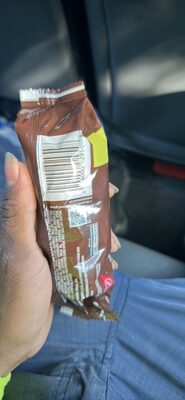
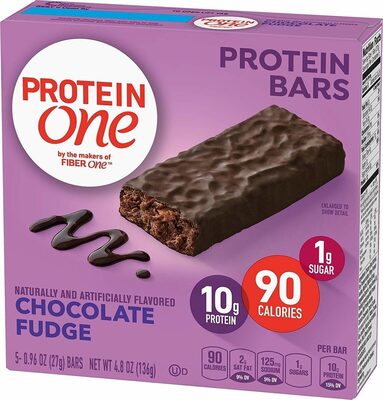
Yes, Calorie protein bars are gluten-free. Based on the ingredient label provided, there are no gluten-containing grains like wheat, barley, or rye present in the formulation. However, while they are safe for those avoiding gluten, they do contain dairy and soy derivatives that are important to note.
The Ingredient Breakdown
When determining if a protein bar is truly gluten-free, we look beyond just the absence of flour. We need to examine the protein sources, binders, and flavorings. In the case of Calorie protein bars, the formulation relies heavily on dairy-based proteins and specific sweeteners.
The primary protein sources are Whey Protein Isolate, Calcium Caseinate, and Milk Protein Isolate. These are derived from milk and are naturally gluten-free. Similarly, Soy Protein Isolate is used, which is a plant-based protein that does not contain gluten. The sweetening system uses Maltitol and Maltitol Syrup. It is crucial to distinguish these from malt, which is a barley derivative. Maltitol is a sugar alcohol sweetener produced from starch, not gluten grains, making it safe for a gluten-free diet.
We also see Chicory Root Extract (often used as a source of fiber) and Vegetable Glycerin (a binder). Both are naturally gluten-free. The cocoa components (Dutch Cocoa and Cocoa) are pure chocolate ingredients and pose no gluten risk. The only potential concern in any processed bar is cross-contamination, but based on the provided data, there are no flags indicating the presence of gluten or high-risk oats that might be processed on shared equipment.
Nutritional Value
From a nutritional standpoint, these bars are designed as a high-protein, moderate-calorie snack. The inclusion of multiple dairy protein isolates suggests a high protein content, likely aimed at muscle recovery or satiety. However, the sweetening profile is notable. The use of Maltitol and Maltitol Syrup indicates a lower glycemic impact than pure sugar, but sugar alcohols can cause digestive distress in some individuals if consumed in large quantities.
Regarding weight management, these bars fit well into a diet where the goal is high protein intake without adding complex carbohydrates. The fat content comes primarily from Palm Kernel Oil, which is a saturated fat. While the bar is gluten-free, it is not necessarily 'clean label' as it contains Natural and Artificial Flavors and Soy Lecithin. For someone strictly monitoring caloric intake, the maltitol contributes to the calorie count, though less than sugar would.
Frequently Asked Questions
Does Calorie protein bars contain dairy or gluten?
Is Calorie protein bars good for weight loss?
Where can I buy Calorie protein bars?
Is Calorie protein bars safe for kids?
Pro Tip
Always double-check the label. Manufacturers change ingredients frequently without notice!