
Is Caramel Bar Halal?
The short answer is: MAYBE. While the Caramel Bar avoids obvious red flags like pork or alcohol, it contains ambiguous ingredients that require manufacturer verification. Specifically, the 'natural flavor' and the source of the protein blend are the deciding factors for strict Halal adherence. This article investigates the label to help you make an informed decision.
The Ingredient Breakdown
When determining if a processed food like a Caramel Bar is Halal, we must look beyond the main flavors and inspect the additives. The ingredient list provided is a mix of dairy, plant-based, and synthetic components. Let's analyze the specific items that could affect the Halal status.
The primary concern lies in the natural flavor. In the food industry, 'natural flavor' can be derived from both plant and animal sources. Without specific certification from the manufacturer, it is impossible to guarantee that the flavoring agents haven't been extracted from non-Halal sources, such as non-Halal beef or pork fat derivatives. This is the most common reason why a seemingly safe product is flagged as 'MAYBE'.
Next, we look at the protein blend. This specific bar contains soy protein isolate, whey protein concentrate, milk protein isolate, and whey protein isolate. The plant-based soy protein is Halal. However, the whey and milk proteins are dairy-based. While dairy is generally Halal, the enzymes used in the processing of whey can sometimes be animal-derived. Again, certification is key here, though the risk is lower than with the 'natural flavor'.
Finally, we examine the fats and oils. The bar uses palm kernel oil, coconut oil, and sunflower oil. All of these are plant-derived and are universally accepted as Halal. The inclusion of almonds and almond butter also poses no issue. The sweeteners, including sucralose and polydextrose, are synthetic and considered Halal. The only other flag to note is mixed tocopherols, which is a form of Vitamin E. While usually derived from vegetable oils, it can occasionally be sourced from animal fats, though this is rare in modern manufacturing.
Nutritional Value
From a nutritional science perspective, the Caramel Bar is designed as a functional food, likely marketed as a protein snack or meal replacement. The use of soluble corn fiber and polydextrose indicates a focus on increasing fiber content, which aids in satiety and digestive health. These are low-calorie bulking agents that provide texture without spiking blood sugar significantly.
The protein content is robust, driven by the blend of soy and dairy proteins. This combination offers a complete amino acid profile, essential for muscle repair and growth. However, consumers with lactose intolerance or soy allergies should exercise caution, as the bar contains significant amounts of both milk and soy ingredients.
Regarding fats, the bar utilizes a mix of palm kernel oil and coconut oil. These are high in saturated fats, which provide a stable texture and rich mouthfeel but are calorie-dense. The presence of almonds adds healthy monounsaturated fats and micronutrients like Vitamin E. The sweetness is achieved through a combination of sucralose (an artificial sweetener) and likely some inherent sugars in the dairy and flavorings. For those monitoring sugar intake, the use of sucralose makes this a low-sugar option, though the debate on artificial sweeteners continues in nutrition circles.
Frequently Asked Questions
Does Caramel Bar contain dairy or gluten?
Is Caramel Bar good for weight loss?
Where can I buy Caramel Bar?
Is Caramel Bar safe for kids?
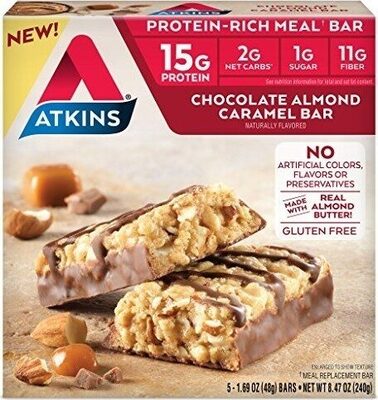
Caramel Bar
Halal Analysis
We recommend searching for certified Halal alternatives.
Pro Tip
Always double-check the label. Manufacturers change ingredients frequently without notice!