
Is Caramel coconut Halal?
The short answer is: **MAYBE**. While Caramel coconut does not contain obvious Haram ingredients like pork or alcohol, it contains a vague ingredient—'natural flavor'—that requires manufacturer verification to ensure it is Halal compliant. This treat is likely safe from a dietary standpoint, but strict Halal observers should confirm the flavoring source.
The Ingredient Breakdown
When determining if a sweet treat like Caramel coconut is Halal, we have to look past the sugar and cocoa to find the hidden complexities. As a food scientist, I look at the functional ingredients that make the product what it is. Here is the breakdown of the specific flags found in this product's ingredient list.
High Fructose Corn Syrup & Sugar: These are the primary sweeteners. Both are chemically derived from corn and sugar cane, respectively, and are universally considered Halal. They provide the sweetness but also contribute to the product's density.
Palm and/or Canola Oil: The fats used here are plant-based. Palm oil is a staple in confectionery because it remains solid at room temperature, giving the caramel its structure without needing animal fats. Being plant-derived, it poses no Halal risk.
Soy Lecithin: This is an emulsifier, meaning it helps the oil and water-based ingredients mix together smoothly. It is typically extracted from soybeans. While there is a rare version of lecithin derived from eggs, the standard used in mass-market candies like this is plant-based and Halal.
The 'Natural Flavor' Flag: This is the most critical ingredient in the list. 'Natural flavor' is a protected term by the FDA, but it is broad. It can be derived from plant or animal sources. In caramel products, natural flavor sometimes refers to vanilla extract (which can be processed with alcohol) or dairy derivatives. Because the manufacturer does not specify the source, we cannot confirm 100% Halal status without asking them directly.
Nutritional Value
From a nutritional perspective, Caramel coconut is an energy-dense treat. The primary ingredients driving the calorie count are the sugars (corn syrup, dextrose) and the palm/canola oils. These provide 'empty calories,' meaning they offer quick energy but very few vitamins or minerals.
The presence of enriched flour adds a small amount of iron and B vitamins (due to the fortification), but the quantity is negligible compared to the sugar content. The dried coconut does provide a small amount of dietary fiber and healthy fats, which slightly moderates the blood sugar spike, but not enough to classify this as a health food. It fits into a diet only as an occasional indulgence.
Frequently Asked Questions
Does Caramel coconut contain dairy or gluten?
Is Caramel coconut good for weight loss?
Where can I buy Caramel coconut?
Is Caramel coconut safe for kids?
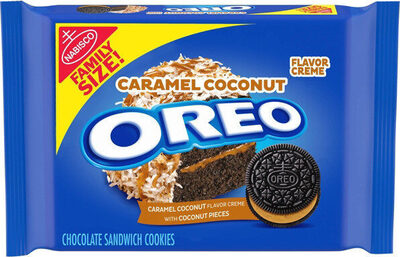
Caramel coconut
Halal Analysis
We recommend searching for certified Halal alternatives.
Pro Tip
Always double-check the label. Manufacturers change ingredients frequently without notice!