
Is Carbonated Soft Drink Vegan?
Is Carbonated Soft Drink vegan? The direct answer is MAYBE. While this beverage contains no obvious animal ingredients like milk or gelatin, the sugar used is often processed using bone char, making strict vegans hesitate. Here is the full breakdown of why this popular drink sits in a gray area.
The Ingredient Breakdown
When analyzing a standard Carbonated Soft Drink, the primary ingredients are water, sweeteners, and flavorings. The base liquid, carbonated water, is unequivocally vegan. The sweeteners listed—high fructose corn syrup and granulated sugar—are plant-derived. However, the granulated sugar is the primary red flag for vegans. In the United States, many white sugars are processed using bone char (charred animal bones) to filter and whiten the sugar crystals. Unless the label specifies "organic," "unrefined," or "cane sugar (vegan)," there is a high probability that the sugar is not vegan.
Regarding acidity and flavor, citric acid is generally derived from the fermentation of corn or molasses, making it vegan. Artificial flavor is a proprietary blend, but in the context of soft drinks, it is almost exclusively synthetic or derived from plant sources. The colorants, FD&C Yellow No. 5 and Yellow No. 6, are petroleum-based synthetic dyes and are not animal-derived.
The phosphates and citrates function as preservatives and acidity regulators. Ingredients like trisodium citrate, sodium metaphosphate, sodium tripolyphosphate, and sodium pyrophosphate are mineral-based salts. They are used to maintain the fizz and prevent discoloration, and they pose no vegan concerns. Therefore, the only significant hurdle for a vegan consumer is the processing method of the sugar.
Nutritional Value
From a nutritional standpoint, Carbonated Soft Drink provides energy primarily through carbohydrates. The high concentration of high fructose corn syrup and granulated sugar results in a high glycemic load, causing rapid spikes in blood sugar levels. A standard serving contains a significant amount of calories—usually between 140 and 150 calories per 12-ounce can—with zero nutritional value in terms of vitamins, minerals, fiber, or protein.
While the sodium content (from trisodium citrate and phosphates) is generally within acceptable limits for a single serving, the cumulative sugar intake is the main health concern. For those monitoring their weight or sugar intake, this drink does not fit well into a healthy diet. The artificial colors, specifically FD&C Yellow No. 5, have been linked to hyperactivity in sensitive individuals, though they are FDA-approved for consumption.
Frequently Asked Questions
Does Carbonated Soft Drink contain dairy or gluten?
Is Carbonated Soft Drink good for weight loss?
Where can I buy Carbonated Soft Drink?
Is Carbonated Soft Drink safe for kids?

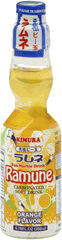
Carbonated Soft Drink
Vegan Analysis
We recommend searching for certified Vegan alternatives.
Pro Tip
Always double-check the label. Manufacturers change ingredients frequently without notice!