
Is Channa Masala Vegan? An Ingredient Investigation
Is Channa Masala vegan? The short answer is **no**. While this beloved Indian dish appears plant-based on the surface, a closer look at the ingredient label reveals hidden dairy products. Specifically, the inclusion of **ghee** (clarified butter) and **milk** derivatives disqualifies it from a strict vegan diet.
The Ingredient Breakdown
As a food scientist, I often tell people that the magic of a dish lies in its fat content, and Channa Masala is a prime example. When analyzing the ingredient list provided, we see a foundation of wholesome, plant-based foods: chickpeas, onions, tomatoes, and a complex blend of spices like turmeric and mango powder. These ingredients create the signature tangy and savory profile of the dish. However, the cooking medium and finishing agents are where the vegan status breaks down.
The critical non-vegan ingredient here is ghee, which stands for clarified butter. In traditional Indian cooking, ghee is prized for its high smoke point and nutty flavor. It is essentially pure butterfat, having had the milk solids and water removed. Because it is a direct derivative of cow's milk, it is strictly non-vegan. Additionally, the ingredient list explicitly notes clarified butter [milk], confirming the presence of dairy. While the other ingredients like canola oil are neutral and vegan-friendly, the inclusion of ghee permeates the dish with animal products.
Furthermore, the presence of salt and citric acid (often found in the tomato juice component) are standard processing aids and pose no issue for vegans. The flagging system used here correctly identified milk and butter. It is important to note that while some brands might substitute vegetable oil for ghee, the specific product data provided indicates the use of traditional dairy fats.
Nutritional Value
From a nutritional standpoint, Channa Masala is a mixed bag. The star ingredient, chickpeas, provides excellent plant-based protein and dietary fiber, which aids in digestion and satiety. However, because this dish relies on ghee and canola oil for its richness, the saturated fat and overall calorie count can be significantly higher than a standard vegetable curry. If you are monitoring your caloric intake, the fat content from these oils is the primary concern.
In terms of carbohydrates, the chickpeas provide a slow-burning energy source, making it relatively filling. The sodium content, derived from salt, is something to watch, as pre-packaged or restaurant versions often use high amounts for flavor. For those on a strict vegan diet, the nutritional profile is irrelevant due to the dairy content, but for vegetarians, it remains a solid source of protein. It fits well into a balanced diet if portion sizes are controlled to manage the fat intake.
Frequently Asked Questions
Does Channa Masala contain dairy or gluten?
Is Channa Masala good for weight loss?
Where can I buy Channa Masala?
Is Channa Masala safe for kids?
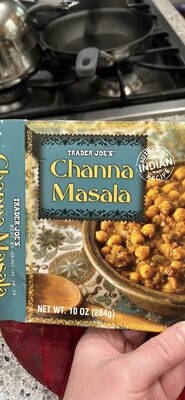
Channa Masala
Vegan Analysis
We recommend searching for certified Vegan alternatives.
Pro Tip
Always double-check the label. Manufacturers change ingredients frequently without notice!