
Is Cheese Balls Vegan? An Investigative Ingredient Breakdown
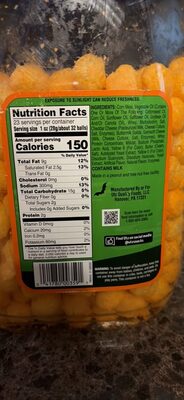
No, Cheese Balls are not vegan. While they may look like a simple corn snack, a closer look at the ingredient label reveals multiple animal-derived products. Specifically, they contain whey, cheddar cheese, and milkfat, making them strictly off-limits for anyone following a plant-based diet.
The Ingredient Breakdown
As a food scientist, I often see snacks that rely on a 'cheese' flavor profile, but the actual composition of Cheese Balls is more complex than just corn and oil. The primary base is CORN MEAL, which is fried in a blend of vegetable oils like COTTONSEED and CANOLA oil. While the oil blend is plant-derived, the trouble for vegans starts immediately after.
The first major red flag is WHEY. Whey is a byproduct of the cheese-making process; it is the liquid remaining after milk has been curdled and strained. It is a classic dairy ingredient and is strictly non-vegan. It is often used here to add a creamy mouthfeel and protein content. This is followed by CHEDDAR CHEESE (made from pasteurized milk, cultures, and enzymes) and MILKFAT. These ingredients provide the signature 'cheesy' taste but are entirely derived from cow's milk.
Further down the list, we find BUTTERMILK SOLIDS and WHEY PROTEIN CONCENTRATE. These are concentrated forms of dairy used to boost the savory flavor profile and texture. Even the NATURAL FLAVOR and AUTOLYZED YEAST EXTRACT in this context are likely used to mimic a meaty or cheesy umami flavor, but the presence of the explicit dairy ingredients makes the verdict clear.
Nutritional Value
From a nutritional standpoint, Cheese Balls are a calorie-dense snack with a high fat and sodium content. A standard serving contains a significant amount of fat, largely from the vegetable oils and the milkfat. While the product is gluten-free (as noted on the packaging), it is not low-calorie. The MALTODEXTRIN serves as a carbohydrate filler, and the presence of YELLOW #6 and YELLOW #5 indicates the use of artificial dyes to achieve that bright orange 'cheese' look. If you are monitoring your sodium intake or looking for a low-fat snack, these are not a suitable option.
Frequently Asked Questions
Does Cheese Balls contain dairy or gluten?
Is Cheese Balls good for weight loss?
Where can I buy Cheese Balls?
Is Cheese Balls safe for kids?
Cheese Balls
Vegan Analysis
We recommend searching for certified Vegan alternatives.
Pro Tip
Always double-check the label. Manufacturers change ingredients frequently without notice!