
Is Cheese curls Halal?
The short answer is: **Maybe**. While Cheese curls do not contain obvious Haram ingredients like pork derivatives or alcohol, the presence of ambiguous additives like 'Natural Flavor' makes it impossible to give a definitive Halal certification without manufacturer clarification. This guide breaks down exactly why this popular snack sits in a gray area.
The Ingredient Breakdown
As a food scientist, I look beyond the marketing on the front of the bag to the chemistry on the back. When analyzing Cheese curls for Halal compliance, we encounter a mix of safe ingredients and one significant red flag.
Let's start with the base: Cornmeal. This is a plant-based ingredient and is inherently Halal. The Vegetable Oil (Sunflower, Corn, or Canola) is also plant-derived and permissible. The complexity begins with the Seasoning blend.
The primary concern is Natural Flavor. In the food industry, 'Natural Flavor' can be derived from both plant and animal sources. While the savory profile of cheese snacks often comes from plant sources, there is a possibility that the flavor enhancers are derived from animal fat or non-Halal slaughtered meat. Without the manufacturer specifying the source, this ingredient is the main hurdle.
Additionally, we see Cheddar Cheese listed. While cheese itself is generally Halal, strict Halal guidelines require that the rennet (enzymes) used to coagulate the milk be sourced from Halal animals. Most commercial cheese uses microbial rennet (fungi/bacteria), which is safe, but animal rennet is still used in some artisanal products. Finally, Disodium Inosinate and Guanylate are flavor enhancers. While usually derived from meat or fish, they are often synthesized from yeast or bacteria in modern snacks, but their origin is not always clear.
Nutritional Value
From a nutritional standpoint, Cheese curls are a calorie-dense, low-nutrient snack. A standard serving contains a significant amount of fat due to the frying process in vegetable oil. While the fat comes from vegetable sources, the quantity contributes to a high caloric load.
The Sodium content is also high, driven by the salt and disodium inosinate. This fits the profile of a 'sometimes' food rather than a dietary staple. Regarding sugar, the Corn Maltodextrin is a carbohydrate that acts similarly to sugar in the body, spiking blood glucose levels. If you are managing diabetes or looking to lose weight, these curls are not an ideal choice due to the combination of high fat, high sodium, and high glycemic carbohydrates.
Frequently Asked Questions
Does Cheese curls contain dairy or gluten?
Is Cheese curls good for weight loss?
Where can I buy Cheese curls?
Is Cheese curls safe for kids?
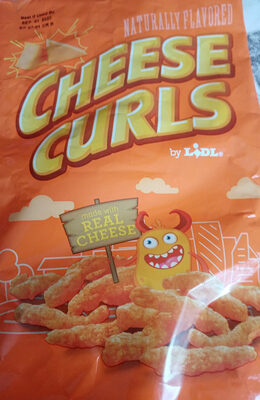
Cheese curls
Halal Analysis
We recommend searching for certified Halal alternatives.
Pro Tip
Always double-check the label. Manufacturers change ingredients frequently without notice!