
Is Cheese Gluten Free?
Yes, cheese is gluten-free. For those navigating a gluten-free lifestyle, finding safe, satisfying foods can be a challenge. Fortunately, natural cheese is a safe haven. Based on a detailed analysis of its core ingredients, cheese contains no gluten and is a suitable option for anyone avoiding wheat, barley, or rye.
The Ingredient Breakdown
To understand why cheese is gluten-free, we need to look at how it is made. The process is surprisingly simple and relies on just a few core ingredients. Let's analyze the typical components found in a block of cheddar or mozzarella.
The primary ingredient is Pasteurized milk. Milk is a dairy product derived from cows and is naturally free of gluten. It serves as the base for all cheese. Next, we have Cheese culture. These are specific strains of bacteria added to the milk to develop the distinct flavor and texture of the cheese. Bacteria are microscopic organisms, not grains, so they do not contain gluten.
Then comes Salt. Salt is a mineral, and while it is sometimes processed in facilities that handle other ingredients, pure salt is 100% gluten-free. It is essential for flavor and preservation. Enzymes are the next component, specifically rennet. Rennet helps coagulate the milk, turning it from liquid to solid curds. Rennet is either animal-derived or microbial, both of which are gluten-free. Finally, Annatto is a natural food coloring derived from the seeds of the achiote tree, used to give the cheese a yellow or orange hue. It is a plant-based ingredient and contains no gluten.
While the ingredients are safe, it is always wise to be aware of cross-contamination. However, for standard blocks of natural cheese, the risk is extremely low.
Nutritional Value
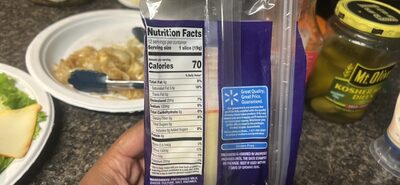
Cheese is a nutrient-dense food, packing a significant amount of protein and fat into a small serving. A standard serving of cheddar cheese, for example, typically contains around 110 calories, 9 grams of fat, and 7 grams of protein. It is also a great source of calcium, which is vital for bone health.
For those on a ketogenic or low-carb diet, cheese is an excellent fit. It contains virtually zero carbohydrates and sugar. However, because it is high in saturated fat and sodium, it should be consumed in moderation, especially by individuals monitoring their heart health or blood pressure. It fits well into a balanced diet when portion sizes are controlled.
Frequently Asked Questions
Does Cheese contain dairy or gluten?
Is Cheese good for weight loss?
Where can I buy Cheese?
Is Cheese safe for kids?
Pro Tip
Always double-check the label. Manufacturers change ingredients frequently without notice!