
Is Cheese Ravioli Gluten Free?
No, standard Cheese Ravioli is not gluten-free. While the creamy filling is tempting, the pasta dough is made from durum wheat semolina, and the filling often contains bread crumbs. If you have celiac disease or a wheat allergy, this product is unsafe for consumption.
The Ingredient Breakdown
As a food scientist, looking at the ingredient list for standard Cheese Ravioli reveals two distinct areas of concern for anyone avoiding gluten. The issue isn't just the obvious pasta shell; gluten can hide in the texture enhancers and fillers used in processed foods.
The primary culprit is the dough. It is explicitly listed as containing durum wheat and water. Durum wheat is a specific variety of wheat that is high in gluten, which gives pasta its characteristic chewiness. Because it is wheat, it is strictly off-limits for a gluten-free diet.
However, the danger doesn't stop at the shell. The filling includes bread crumbs derived from wheat. Manufacturers often add bread crumbs to ricotta fillings to absorb excess moisture and stabilize the texture, preventing the ravioli from becoming watery during cooking. This means even if you were to scoop out the filling, it would likely be cross-contaminated with wheat starch.
Finally, while the cheese blend and eggs are naturally gluten-free, the citrus fiber and various gums (like xanthan gum) are generally safe. However, in a facility that processes wheat, these additives can sometimes be a source of cross-contamination if strict manufacturing protocols aren't followed. Given the explicit inclusion of wheat in both the dough and the bread crumbs, this product is definitively not safe for a gluten-free diet.
Nutritional Value
From a nutritional standpoint, Cheese Ravioli is a calorie-dense food primarily composed of refined carbohydrates and saturated fats. A standard serving typically contains between 300 to 500 calories, depending on the portion size and specific brand formulation.
The fat content is driven by the ricotta, mozzarella, and romano cheeses. While these provide calcium and protein, they also contribute significantly to the saturated fat intake. If you are monitoring your cholesterol or heart health, this dish should be eaten in moderation. The sodium levels are also quite high due to the added salt, cheese cultures, and preservatives, which is a common trait in frozen Italian meals.
Regarding sugar, the presence of dextrose in the bread crumbs and natural lactose in the milk products adds a small amount of sugar to the profile. It isn't a high-sugar product like a dessert, but the combination of refined wheat flour and fat creates a high glycemic load, which can spike blood sugar levels quickly. It fits into a diet as an occasional comfort meal, but it is not a 'health food' by modern nutritional standards.
Frequently Asked Questions
Does Cheese Ravioli contain dairy or gluten?
Is Cheese Ravioli good for weight loss?
Where can I buy Cheese Ravioli?
Is Cheese Ravioli safe for kids?
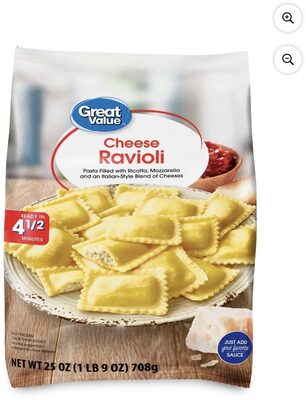
Cheese Ravioli
Gluten Free Analysis
We recommend searching for certified Gluten Free alternatives.
Pro Tip
Always double-check the label. Manufacturers change ingredients frequently without notice!