
Is Cheetos Halal?
Yes, Cheetos are generally considered Halal. Based on the ingredient list of the classic Crunchy variety, there are no pork derivatives, alcohol, or animal fats from forbidden sources. This article provides a detailed scientific breakdown of the ingredients to confirm why they fit within Halal dietary guidelines.
The Ingredient Breakdown
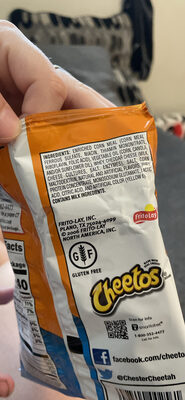
As a food scientist, I look past the marketing on the bag and go straight to the formulation. The classic Cheetos Crunchy recipe is surprisingly simple from a chemical standpoint, which works in its favor regarding Halal compliance. Let's look at the key components.
The base of the snack is Enriched Corn Meal. This is simply ground corn that has had vitamins and minerals like Ferrous Sulfate and Niacin added back in for nutritional value. It is a plant-based ingredient and completely Halal.
For the fat content, the product uses Vegetable Oil (Corn, Canola, and/or Sunflower). Unlike many snacks produced in Europe which might use animal-based tallow, Cheetos produced for the US and many global markets utilize plant-derived oils. This eliminates the risk of non-Halal animal fats.
The flavor profile comes from Cheddar Cheese and Whey. Both are dairy derivatives. In Islamic jurisprudence, dairy from cows, sheep, or goats is Halal provided the animal is slaughtered correctly. However, for cheese, the concern is often the rennet (enzymes) used to coagulate the milk. In the US, most cheese enzymes are microbial or vegetable-based, making them Halal. There is no indication of animal rennet in standard Cheetos.
A common point of confusion is Monosodium Glutamate (MSG). MSG is simply the sodium salt of glutamic acid, an amino acid naturally found in foods like tomatoes and cheese. It is synthesized through fermentation of sugar (like corn or cassava) and is chemically identical to the natural version. It is 100% plant-derived and Halal.
Finally, the color comes from Yellow 6. While artificial colors are often debated regarding health, they are synthetic dyes derived from petroleum byproducts, not animals. Therefore, they do not violate Halal restrictions regarding meat or animal products.
Nutritional Value
While Cheetos pass the Halal test, they are a highly processed snack food. A standard serving contains a significant amount of calories derived almost entirely from refined carbohydrates and fats. The Vegetable Oil is the primary source of fat, and while these are heart-healthier oils like corn and canola, the caloric density is high.
The snack is low in protein and fiber, meaning it won't keep you full for long. It contains added Maltodextrin, a fast-digesting carbohydrate that spikes blood sugar levels similar to table sugar. For those managing their weight or blood sugar, Cheetos should be treated as an occasional treat rather than a dietary staple. The high sodium content (from Salt and MSG) also contributes to the overall caloric experience without providing essential micronutrients.
Frequently Asked Questions
Does Cheetos contain dairy or gluten?
Is Cheetos good for weight loss?
Where can I buy Cheetos?
Is Cheetos safe for kids?
Pro Tip
Always double-check the label. Manufacturers change ingredients frequently without notice!