
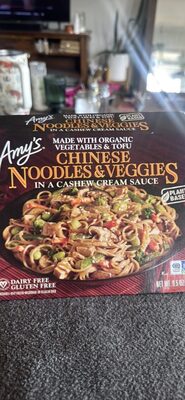
Is Chinese Noodles & Veggies in a Cashew Cream Sauce Keto?
No, Chinese Noodles & Veggies in a Cashew Cream Sauce is not keto-friendly. While the combination of creamy cashews and savory vegetables sounds promising, the base of the dish is a high-carbohydrate organic rice pasta. For anyone strictly following a ketogenic diet, this meal will exceed the daily carb limit and disrupt ketosis.
The Ingredient Breakdown
As a food scientist, I look at the chemistry of a meal to determine its metabolic impact. When we analyze the ingredients list for this vegan dish, we find several components that are strictly incompatible with a ketogenic lifestyle. The primary issue lies in the pasta blend used to create the noodles.
The product utilizes Organic Rice Flour and Organic Rice Starch as the main structural components of the pasta. Rice, in any form, is a high-glycemic carbohydrate. When digested, it rapidly breaks down into glucose, causing a spike in blood sugar and insulin levels. This is the exact physiological state the keto diet aims to avoid. Additionally, the inclusion of Organic Potato Starch adds to the carbohydrate load. While potato starch is sometimes used in low-carb baking in small quantities, as a primary ingredient in a pasta serving, it contributes significant net carbs that make ketosis impossible.
Even the Organic Soy Flour included in the pasta blend contributes to the total carb count, though to a lesser extent than the rice. While the sauce base of Organic Cashews provides healthy fats, the pasta acts as a massive carbohydrate anchor. In a keto diet, the goal is to derive energy from fat, not from glucose. Therefore, despite the healthy fats in the cashews and the low-carb nature of the vegetables like Organic Carrots and Organic Green Beans, the pasta makes this dish metabolically incompatible with ketosis.
Nutritional Value
From a nutritional standpoint, this product is likely marketed as a healthy, whole-food option. It is vegan, organic, and contains vegetables and plant-based protein from tofu and cashews. However, 'healthy' does not automatically equate to 'keto.' The caloric density of cashews is high due to their fat content, which is generally good for a high-fat diet, but the caloric breakdown is skewed by the pasta.
If we were to estimate the macronutrient profile, a standard serving of this dish would likely contain a high amount of total carbohydrates—likely exceeding 40 to 50 grams per serving. For a standard ketogenic diet, the limit is usually between 20 and 30 grams of total carbohydrates per day. Consuming this single meal would immediately double or triple that allowance. Furthermore, the Organic Tamari (soy sauce) adds sodium, which is actually beneficial for keto dieters who need to replenish electrolytes, but it doesn't offset the carbohydrate damage caused by the pasta. The dish is calorically dense and carb-heavy, a combination that is antithetical to the goals of nutritional ketosis.
Frequently Asked Questions
Does Chinese Noodles & Veggies in a Cashew Cream Sauce contain dairy or gluten?
Is Chinese Noodles & Veggies in a Cashew Cream Sauce good for weight loss?
Where can I buy Chinese Noodles & Veggies in a Cashew Cream Sauce?
Is Chinese Noodles & Veggies in a Cashew Cream Sauce safe for kids?

Chinese Noodles & Veggies in a Cashew Cream Sauce
Keto Analysis
We recommend searching for certified Keto alternatives.
Pro Tip
Always double-check the label. Manufacturers change ingredients frequently without notice!