
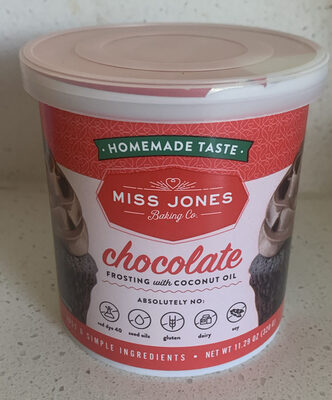
Is Chocolate Frosting with Coconut Oil Halal?
Yes, Chocolate Frosting with Coconut Oil is Halal. Based on the ingredient list provided—Palm Fruit Oil, Powdered Sugar, Coconut Oil, Cocoa Powder, Corn Starch, and Sea Salt—there are no animal-derived products, alcohol, or questionable additives. This makes it a safe and delicious topping for those adhering to Halal dietary guidelines.
The Ingredient Breakdown
When determining if a processed food is Halal, we look for hidden animal products, alcohol, or non-permissible additives. Let's look at the specific ingredients in this Chocolate Frosting with Coconut Oil.
First, the primary fats are Palm Fruit Oil and Coconut Oil. Both of these are plant-derived oils. Unlike Lard (pig fat) or Butter (often containing animal rennet), these oils are universally accepted as Halal. Palm fruit oil provides a stable base for the frosting, while coconut oil adds a subtle richness and helps with texture.
The sweetener used is Powdered Sugar (confectioners' sugar). In the United States, powdered sugar is typically mixed with cornstarch to prevent caking. While sugar itself is Halal, the processing of white sugar sometimes involves bone char filters. However, in modern industrial food production, especially for products labeled as vegan or those using cornstarch as an anti-caking agent, this is rarely an issue. Given the clean label of this product, the sugar is considered Halal.
Finally, we have Cocoa Powder, Corn Starch, and Sea Salt. Cocoa powder is simply processed cacao beans (plant-based). Corn starch is a thickener derived from corn. Sea salt is a mineral. None of these ingredients pose any Halal concerns. There are no emulsifiers like mono- and diglycerides (which can sometimes be animal-sourced) or vanilla extract (which can contain alcohol) listed here.
Nutritional Value
While this frosting is Halal, it is important to view it through a nutritional lens. The main ingredients driving the calorie count are the oils and the powdered sugar. This product is essentially a fat-and-sugar confection.
Because it uses palm and coconut oils, it is likely high in saturated fats. While these are plant-based, they are still calorie-dense. The sugar content will be significant, providing quick energy but lacking in fiber or protein. If you are monitoring your sugar intake or following a strict low-carb diet, this frosting should be used sparingly as a garnish rather than a main component of your meal. However, for a standard diet, it fits perfectly fine as an occasional treat.
Frequently Asked Questions
Does Chocolate Frosting with Coconut Oil contain dairy or gluten?
Is Chocolate Frosting with Coconut Oil good for weight loss?
Where can I buy Chocolate Frosting with Coconut Oil?
Is Chocolate Frosting with Coconut Oil safe for kids?

Pro Tip
Always double-check the label. Manufacturers change ingredients frequently without notice!